
Beginner container gardening is one of the simplest ways to grow vegetables, herbs, flowers, or small shrubs without digging up your yard. A sunny patio, apartment balcony, driveway edge, or front step can become a productive growing space when you match the right plant to the right container.
Containers give you control over soil, moisture, and placement, but they also dry out and run out of nutrients faster than an in-ground garden. The goal is not to buy every gardening product available. Start with a few suitable pots, quality potting mix, healthy plants or seeds, and a routine for watering and feeding.
Use this guide to build a manageable first container garden, avoid common mistakes, and create conditions that help plants grow well through the season.
Start With a Small, Practical Garden Plan
A successful first garden is usually small enough to care for consistently. Begin with two to five containers rather than filling every available space. This lets you learn how much sun your area receives, how quickly pots dry out, and which plants you enjoy growing.
Before choosing plants, look at your intended growing area for several days. Sunlight changes throughout the season, and a location that seems bright may receive only a few hours of direct sun.
- Full sun: About six or more hours of direct sun daily. Most tomatoes, peppers, cucumbers, squash, basil, and many flowering annuals need this amount.
- Part sun or part shade: Roughly three to six hours of direct sun, often with protection from hot afternoon sun. Many herbs, lettuce, kale, Swiss chard, and some flowers can grow here.
- Shade: Less than three hours of direct sun. This is better suited to foliage plants, impatiens, coleus, ferns, and certain shade-tolerant edibles such as leafy greens during mild weather.
Also consider wind, heat reflected from pavement or walls, access to a hose, and the weight of filled containers. A large pot full of moist soil can be too heavy to move, especially on a balcony or deck. Check any property rules and make sure elevated structures can safely support the weight of containers, water, and people.
Choose Containers That Support Healthy Roots
The best container is one that has drainage holes, holds enough growing medium for the mature plant, and fits your available space. Decorative style matters less than drainage and root room.
Drainage Is Essential
Nearly every outdoor container needs holes in the bottom so excess water can escape. Without drainage, roots can remain waterlogged after rain or watering. This limits oxygen around the roots and can lead to decline or root rot.
If you are using a decorative pot without holes, use it as a cachepot: place a nursery pot with drainage inside it, then remove the inner pot to empty collected water. Drilling drainage holes may work for some materials, but use the correct bit and wear appropriate eye protection. Fragile ceramics can crack.
Do not add a layer of gravel, broken pottery, or packing peanuts to the bottom of a container to “improve” drainage. This reduces the amount of soil available to roots and does not solve poor drainage. Fill the pot with potting mix instead.
Match Pot Size to the Plant
Small pots are useful for compact herbs and annual flowers, but large plants need larger containers. Root space affects how often you need to water, how stable the plant is in wind, and how much growth it can support.
| Plant type | General container guidance | Good beginner options |
|---|---|---|
| Small herbs | Small to medium pots with drainage; group herbs with similar water needs | Chives, thyme, parsley, cilantro |
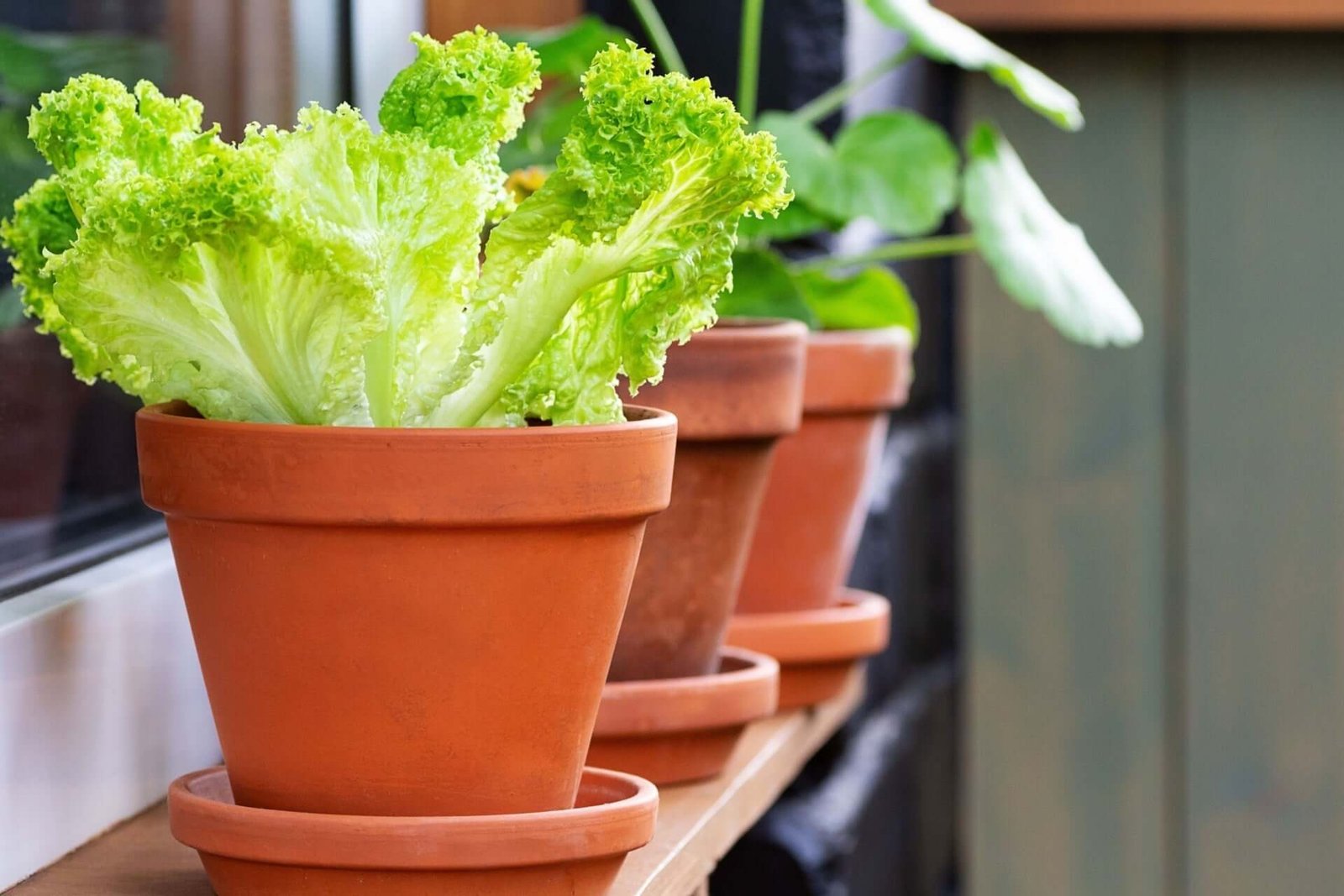
| Leafy greens | Wide containers with enough depth for roots and steady moisture | Leaf lettuce, arugula, spinach, kale |
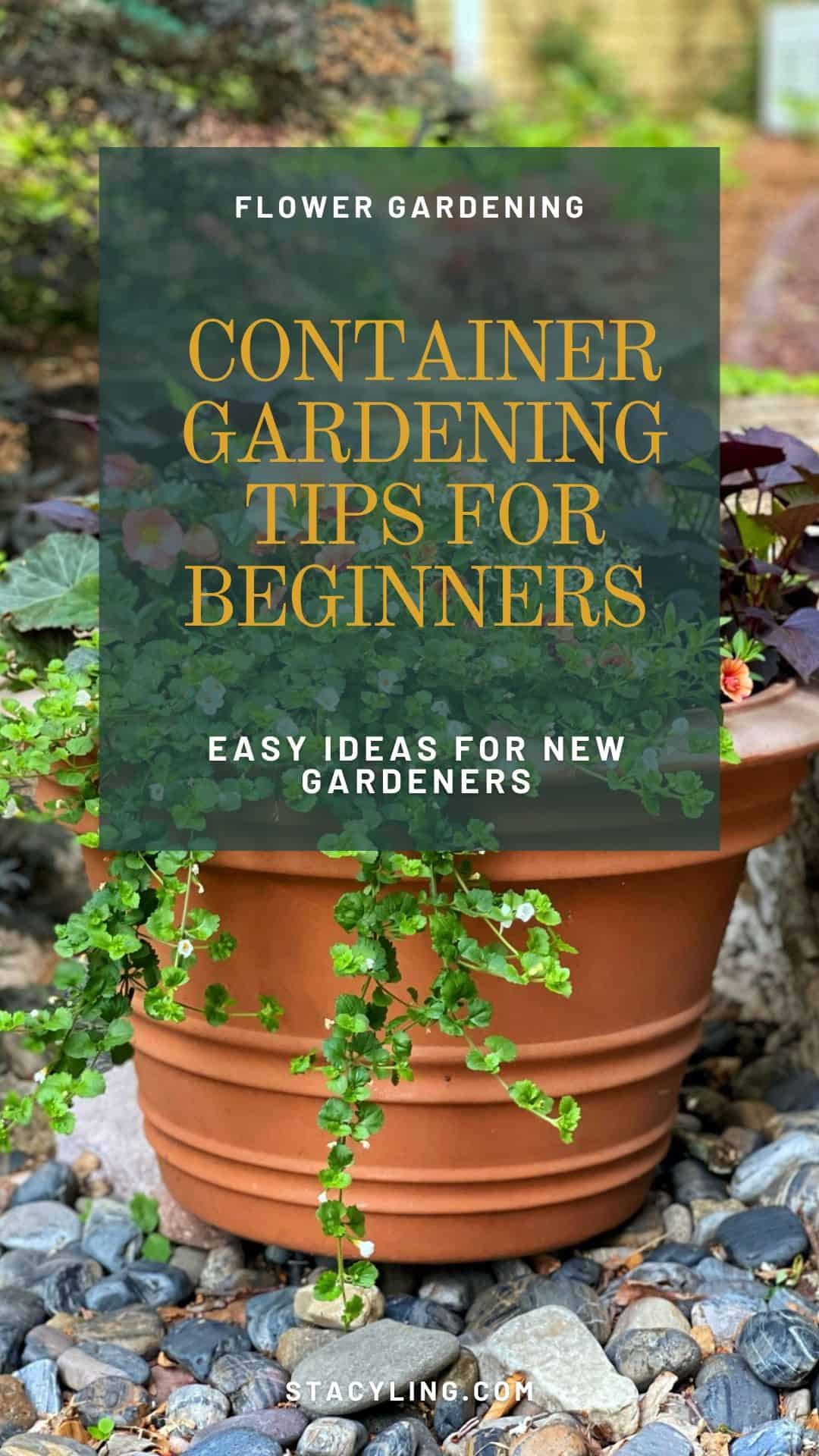
| Compact flowers | Medium pots, window boxes, or hanging baskets | Marigolds, zinnias, petunias, calibrachoa |
| Tomatoes and peppers | Large, sturdy containers with a support system added at planting time | Patio tomatoes, determinate tomatoes, compact peppers |
| Vining crops | Large containers plus a trellis or cage | Bush cucumbers, compact beans, small trellised cucumbers |
Read the plant tag or seed packet before buying. Terms such as compact, patio, bush, and container variety often indicate plants bred or selected for smaller spaces. A full-size indeterminate tomato or a large winter squash may outgrow a typical patio pot quickly.
Consider Container Materials
Plastic and resin pots are lightweight and retain moisture longer than porous materials. They are practical for balconies, hanging containers, and gardeners who cannot water frequently.
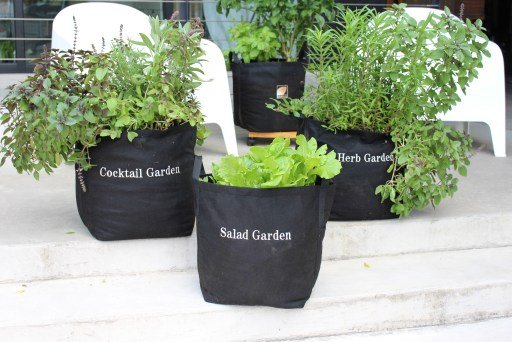
Unglazed terra-cotta looks classic and allows air movement through its sides, but it dries out faster and can crack in repeated freezing conditions. Glazed ceramic is often heavier and more moisture-retentive, but may be difficult to move. Fabric grow bags provide good drainage and root aeration, though they can dry rapidly in hot or windy weather.
Use Potting Mix, Not Garden Soil
Garden soil is usually too dense for containers. It can compact in a pot, drain poorly, and make it harder for roots to get the air they need. Instead, fill containers with a packaged potting mix labeled for containers.
Quality potting mix is typically made from materials such as composted bark, coco coir, peat moss, perlite, and other lightweight ingredients. These blends hold moisture while leaving air spaces for roots. Some mixes include fertilizer, while others do not, so check the package.
Moisten fresh potting mix before or as you fill the container. Very dry mixes can initially repel water, causing it to run down the inside of the pot and out the drainage holes. Fill to within about an inch of the rim, leaving room for watering without overflow.
At the end of the season, do not assume old potting mix is automatically unusable. It can often be refreshed with compost and new potting mix for ornamentals, provided it did not contain severely diseased plants or persistent pest problems. For high-demand edible crops, adding substantial fresh mix or starting with new mix can help restore structure and fertility.
Credit: stacyling.com
Pick Easy Plants for Your Conditions
The easiest plants are not the same for every yard. A gardener in a hot, sunny Southwest patio has different challenges than someone gardening on a cool, shaded Northeast balcony. Choose plants that fit your light, temperatures, and willingness to water.
Reliable Choices for Sunny Containers
- Basil: Loves warmth and sun after frost danger has passed. Harvest often, but avoid removing more than a modest portion of the plant at one time.
- Patio or determinate tomatoes: Productive in large containers with consistent moisture, sun, and support.
- Peppers: Favor warm weather and sunny placement. They generally grow more slowly in cool conditions.
- Marigolds and zinnias: Colorful annual flowers that generally perform well in sunny pots with regular deadheading.
- Rosemary and thyme: Prefer sun and excellent drainage. Avoid keeping their soil constantly wet.
Good Choices for Cooler or Partly Shaded Spaces
- Leaf lettuce: Quick to grow in cool weather and suitable for repeated harvesting.
- Swiss chard: Attractive, productive, and generally more heat-tolerant than many lettuces.
- Parsley: Grows well in containers and handles cooler conditions once established.
- Mint: Easy to grow but aggressive in garden beds, making a container a useful place to confine it.
- Begonias, coleus, and impatiens: Common ornamental choices for bright shade or filtered light.
Buy healthy transplants if you want the easiest starting point. Look for plants with sturdy stems, evenly colored leaves, and no visible insects, webbing, spots, or severely tangled roots. Seeds are economical and rewarding, especially for lettuce, radishes, beans, and many flowers, but they require attention during germination and early growth.
Plant Correctly Without Damaging Roots
Planting is straightforward, but a few small details make a difference. Work on a mild day if possible, and water nursery plants before transplanting if their soil is dry.
- Place the empty container where it will grow before filling it, especially if it is large.
- Fill the pot with pre-moistened potting mix, leaving room for the root ball.
- Slide the plant from its nursery pot by supporting the base rather than pulling on stems.
- Gently loosen circling roots if they are tightly packed, but do not tear apart a healthy root ball aggressively.
- Set the plant at approximately the same depth it was growing in its original pot. Tomatoes are a common exception because they can form roots along buried stems.
- Fill around the roots, lightly firm the mix, and water slowly until water drains from the bottom.
- Add a plant label so you can remember the variety and care needs later.
Give plants adequate spacing even in containers. Overcrowding may look full at planting time, but it restricts airflow and makes plants compete for light, water, and nutrients. Follow the spacing guidance on the plant label, then expect annual flowers to fill in as they grow.
Water Containers Based on Need, Not the Calendar
Watering is the skill that matters most in beginner container gardening. Containers dry faster than in-ground beds because they hold a limited amount of soil and are exposed on all sides to sun and wind.
Check pots regularly by inserting a finger into the potting mix. If the surface is dry but the soil beneath it is still cool and moist, wait. If the mix is dry below the surface, it is likely time to water. Small pots, hanging baskets, black containers, and plants in full sun may need checking daily during hot weather. Larger containers in cool or rainy conditions may need water far less often.
When watering, apply it slowly to the soil around the plant until it begins to drain from the bottom. A quick splash often wets only the surface. Watering early in the day is usually helpful because it gives foliage time to dry and reduces stress before afternoon heat.
Recognize Underwatering and Overwatering
Wilting is not always proof that a plant needs water. A plant may wilt from dry soil, heat stress, damaged roots, or waterlogged soil. Check the potting mix before acting.
- Possible signs of underwatering: Dry mix, lightweight pots, crispy leaf edges, drooping that improves after thorough watering.
- Possible signs of overwatering: Persistently wet mix, yellowing lower leaves, slow growth, a sour smell from the container, or drooping despite wet soil.
During heat waves, temporary afternoon wilt can occur even when the soil has enough moisture. Check again in the evening or early morning before increasing water. If plants recover as temperatures fall, they may be responding to heat rather than drought.
Feed Plants Throughout the Growing Season
Potting mix does not provide unlimited nutrition. Fast-growing vegetables and flowering annuals use nutrients steadily, especially after they begin producing fruit or blooms. A fertilizer included in fresh mix may only support plants for part of the season.
Choose a fertilizer formulated for container plants or for the crop you are growing, and follow its current label directions. Products differ in concentration, application method, and frequency. More fertilizer is not better; excess salts can damage roots and may cause leaf-edge browning or weak, overly leafy growth.
Slow-release fertilizers can simplify care by feeding gradually, while water-soluble products provide nutrients more quickly. Either can work when used appropriately. If you are growing herbs primarily for flavor, avoid overfeeding, which can encourage soft growth at the expense of concentrated flavor.
If white crust builds up on the pot rim or soil surface, mineral salts may be accumulating. Watering deeply enough for some water to drain out can help flush salts, but make sure drainage water does not flow into storm drains, ponds, or areas where it could affect sensitive plants.
Credit: blog.gardenuity.com
Provide Support, Mulch, and Basic Maintenance
Add supports when you plant, not after stems have become large and tangled. Tomato cages, stakes, trellises, and small obelisks help keep climbing or fruiting plants upright. Secure stems loosely with soft ties designed for plants, leaving room for stems to expand.
A thin layer of clean organic mulch, such as fine bark or untreated straw, can reduce evaporation from large containers. Keep mulch slightly away from plant stems to avoid trapping excess moisture against them. Mulch is optional, but it can be useful in sunny, hot locations.
Spend a few minutes every few days looking over your plants. Early inspection is easier than waiting for a problem to become severe.
- Remove yellow, broken, or diseased-looking leaves.
- Harvest herbs, greens, beans, and ripe vegetables regularly.
- Pinch or deadhead spent flowers when the plant benefits from it.
- Check leaf undersides for aphids, mites, caterpillars, or eggs.
- Rotate pots occasionally if one side receives much more light, unless the plant is attached to a support.
- Empty saucers after heavy rain when practical so roots are not left sitting in water.
Prevent Common Beginner Container Gardening Problems
Plants Are Leggy or Leaning Toward One Side
Long, stretched stems usually indicate insufficient light. Move the plant to a brighter location if its light requirements allow. A plant that needs full sun will not become compact and productive in deep shade, regardless of fertilizer.
Leaves Have Holes or Sticky Residue
Inspect carefully before treating. Holes may come from caterpillars, beetles, slugs, or physical damage, while sticky residue can indicate sap-feeding insects such as aphids. Hand removal, a strong spray of water for small soft-bodied insect populations, and removing badly infested leaves may be enough for minor problems.
If you use any pesticide, insecticidal soap, horticultural oil, or other treatment, identify the plant and likely pest first and follow the product label exactly. Take special care around edible plants, pollinators, pets, children, and water features. Avoid spraying open flowers when pollinators are active unless the label specifically allows that use.
Tomatoes Have Dark Ends or Split Fruit
Dark, sunken tissue on the blossom end of tomato fruit is commonly associated with inconsistent moisture and calcium movement within the plant, but the underlying issue is not always a lack of calcium in the potting mix. Maintain even soil moisture, avoid dramatic dry-to-wet cycles, and do not add soil amendments unless a soil or growing-media issue is known.
Fruit splitting often follows irregular watering or heavy rain after dry conditions. Consistent moisture and harvesting ripe fruit promptly can reduce losses.
Plants Stop Growing Midseason
Slow growth can result from root crowding, depleted nutrients, heat, insufficient light, pests, disease, or watering problems. Check the simplest causes first: soil moisture, drainage holes, sunlight, and visible pests. If roots are densely circling the pot and the plant dries out unusually fast, moving it to a larger container may help.
Plan for Weather and the End of the Season
Container plants are more exposed to temperature changes than plants growing in the ground. In spring, do not rush warm-season plants such as tomatoes, peppers, basil, and cucumbers outdoors before nighttime temperatures are reliably suitable and frost danger has passed in your area. A sudden cold night can stall or damage tender plants.
During storms, move lightweight pots to a protected area when safe to do so, or group them together to reduce tipping. Tall plants may need additional support. Avoid moving heavy containers alone; use a plant caddy or ask for help.
At season’s end, remove spent annuals and vegetable plants. Compost healthy, disease-free plant material if your local composting setup accepts it. Dispose of plants with serious disease or heavy pest infestations according to local guidance rather than saving contaminated material.
Perennial plants and shrubs in containers need extra winter consideration because their roots are less insulated than roots in the ground. Select varieties hardy for conditions colder than your local USDA hardiness zone when possible, protect pots from repeated freeze-thaw cycles, and follow care guidance specific to the plant. Not every perennial survives winter outdoors in a container.
Credit: tnnursery.net
Frequently Asked Questions
Can I grow vegetables on an apartment balcony?
Yes, if the balcony receives enough light and can safely hold the containers. Compact tomatoes, peppers, herbs, lettuce, and bush beans are common options. Confirm building rules, prevent drainage water from dripping onto neighboring spaces, and choose lightweight containers where weight is a concern.
Should I put rocks in the bottom of a flowerpot?
No. Rocks take up root space and do not replace drainage holes. Use a container with holes and fill it with potting mix from top to bottom.
How many plants can go in one container?
It depends on the container’s size and the mature size of each plant. Use plant labels as a guide, and resist the urge to pack plants tightly. You can combine plants with similar light and water needs, but large vegetables often perform best with their own container.
Can container plants survive if I leave for a weekend?
Many can, but small pots and hanging baskets may dry out quickly in hot weather. Water thoroughly before leaving, move suitable containers out of intense afternoon sun, group pots together to reduce drying, and arrange for someone to check them during longer absences or heat waves.
What is the easiest first container garden to grow?
A sunny beginner setup might include one basil plant, one compact tomato in a large pot with a cage, and a container of marigolds. For a cooler or partly shaded area, try leaf lettuce, parsley, and a shade-tolerant flowering plant. Start with plants that match your light and give them consistent care rather than trying to grow too many crops at once.