
Bypass pruning shears are the go-to hand tool for making clean cuts on living stems, flowers, and small branches. Their scissor-like action helps protect plant tissue, which matters when you are pruning roses, shrubs, perennials, fruit trees, and many other garden plants.
The best pair is not necessarily the largest or most expensive. Blade quality, handle comfort, cutting capacity, lock design, and replacement-part availability all affect how well a pair works over time. Choosing shears that suit the stems you actually cut can reduce hand fatigue and prevent unnecessary damage to plants.
This guide explains how bypass pruning shears work, when to use them instead of other pruning tools, and what to look for before buying or maintaining a pair.
Related reading: how anvil pruners differ from bypass shears and other useful gardening hand tools.
What Bypass Pruning Shears Are
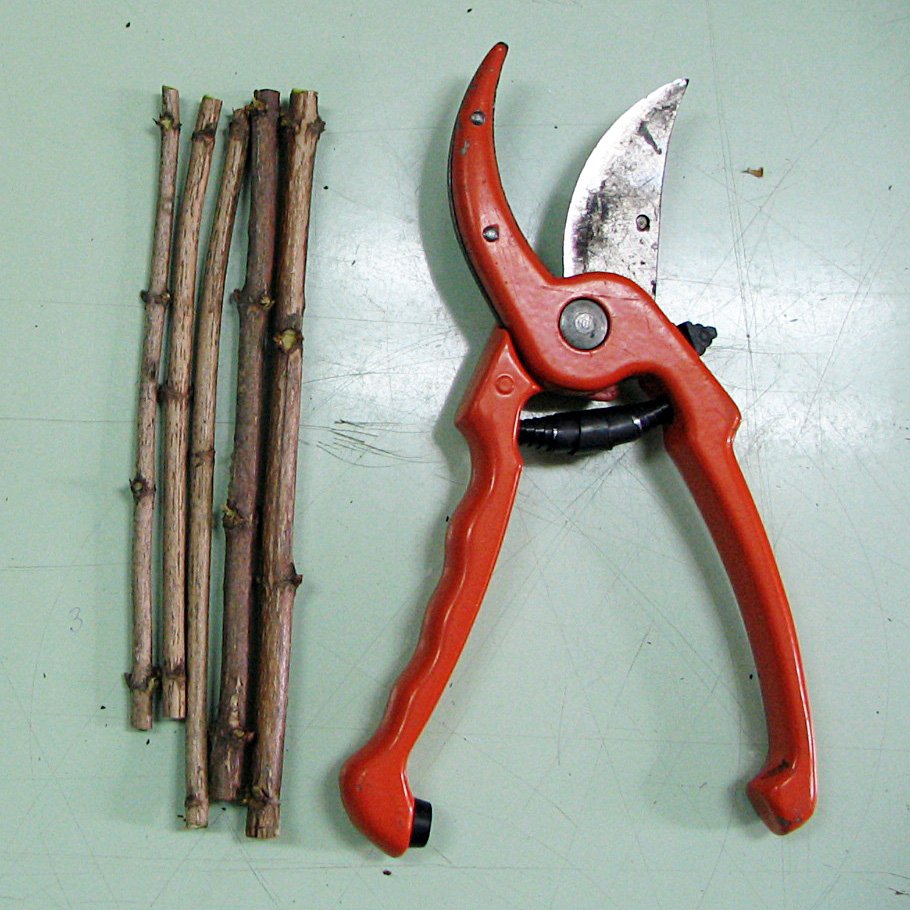
Bypass pruning shears are one-handed pruners with two curved blades that pass closely by each other, much like scissors. One blade is typically sharp and narrow, while the other supports the stem during the cut. As the blades close, they slice through plant material rather than crushing it.
This cutting action makes bypass shears especially useful for green, living growth. A clean cut closes and heals more easily than a ragged, crushed wound, although proper pruning timing and technique still matter as much as the tool itself.
They are also commonly called hand pruners, pruning snips, secateurs, or garden pruners. “Secateurs” is more common in British English, but it refers to the same general type of tool.
How Bypass Shears Differ From Anvil and Ratchet Pruners
Not every hand pruner cuts the same way. Selecting the right style starts with matching the blade design to the material being cut.
| Pruner type | How it cuts | Best for | Main limitation |
|---|---|---|---|
| Bypass shears | Two blades slide past each other | Living stems, flowers, green shoots, precise pruning | Can bind or dull faster in dry, hard, woody material |
| Anvil pruners | A sharp blade closes onto a flat surface | Deadwood and dry, brittle stems | Can crush soft living stems |
| Ratchet pruners | Cut in stages with a ratcheting mechanism | Harder stems for users who need extra leverage | Usually slower and less precise for routine deadheading |
Bypass pruning shears are the most versatile option for general garden care because most routine trimming involves live plant tissue. They are ideal for harvesting herbs, cutting flowers, deadheading, thinning crowded stems, and shaping shrubs with relatively small branches.
Anvil pruners still have a useful role. If you are removing dry canes from spent perennials or cutting dead twigs, their crushing action is less of a concern. However, using anvil pruners on healthy green stems can leave a flattened or torn cut.
Common Uses Around the Yard and Garden
A quality pair of bypass shears can handle many regular maintenance tasks. They work best when the stem fits comfortably within the manufacturer’s stated cutting capacity and the blades remain sharp.
- Deadheading annuals, perennials, and flowering shrubs
- Harvesting cut flowers, herbs, leafy greens, and small vegetables
- Removing spent blooms from roses
- Trimming soft new growth from shrubs
- Thinning small crossing or crowded branches
- Cutting back herbaceous perennials at the appropriate season
- Removing suckers and water sprouts while they are still small
- Making precise cuts when propagating plants from stem cuttings
For tree limbs, mature shrub branches, or woody stems that require force to close the handles, move up to loppers or a pruning saw. Forcing hand shears through oversized wood can bend the blades, loosen the pivot, strain your hand, and create a poor cut.
Why Clean Cuts Matter for Plants
When pruning live stems, the goal is to remove unwanted growth while leaving the remaining plant tissue as intact as possible. Sharp bypass blades make a narrow, smooth cut that is generally preferable to a smashed or shredded stem.
Clean cuts are particularly important on roses, fruiting plants, young shrubs, and plants being pruned during active growth. A damaged cut may dry back farther than intended and can create a less tidy wound. That does not mean every imperfect cut causes disease, but it is a good reason to maintain sharp, clean tools.
Tool sanitation also matters when working around plants with suspicious spotting, cankers, wilting, or other possible disease symptoms. Symptoms alone do not always identify a specific disease, but cleaning debris from blades and disinfecting them between affected plants can reduce the chance of moving pathogens through pruning work.
Where to Make a Pruning Cut
The right location depends on the plant and the reason for pruning. In many cases, cut just above an outward-facing bud or lateral branch so new growth is directed away from the plant’s crowded center. Avoid leaving a long stub, but do not cut so close that you injure the bud, branch collar, or adjoining stem tissue.
For larger branches, bypass shears are usually not the correct tool. Use a sharp pruning saw and preserve the branch collar rather than making a flush cut against the trunk or main limb.
What to Look For When Buying Bypass Pruning Shears
Good pruning shears should feel controlled, not merely sharp. The right design depends on your hand size, how often you prune, the types of plants you maintain, and whether you need a lightweight tool for extended use.

Blade Material and Edge Quality
Look for blades that hold an edge, align well, and can be cleaned without difficulty. Many well-made shears use hardened steel blades, while some have corrosion-resistant coatings intended to make cleaning easier or reduce rust risk.
A coating does not eliminate maintenance. Sap, moisture, and plant residue can still cause sticking or corrosion, especially if the tool is stored outdoors or put away dirty. More important than marketing terms is whether the blades close cleanly, stay aligned, and can be sharpened or replaced when needed.
Cutting Capacity
Every pair of shears has a practical limit. Manufacturers often state a maximum branch diameter, but the usable capacity also depends on wood hardness, plant species, blade condition, and your hand strength.
Use the stated capacity as a ceiling, not a target. A fresh green stem may cut easily, while an equally wide piece of dry hardwood may not. If you need to twist the tool, brace the branch with excessive force, or repeatedly squeeze without cutting through, choose loppers or a pruning saw instead.
Handle Size and Ergonomics
Comfort is a performance feature, especially if you deadhead flowers or prune shrubs for an hour at a time. Handles should open wide enough for control without forcing your hand into an uncomfortable stretch.
Features that may help include:
- Non-slip grips that remain secure when damp or dusty
- Handles sized for smaller or larger hands
- Rotating handles that may reduce friction for some users
- Cushioned bumpers that soften the closing impact
- Lightweight construction for repetitive work
- Left-handed versions, if standard right-handed shears feel awkward
Ergonomic features are personal. If possible, open and close the shears several times before purchasing. The lock should be reachable without placing your fingers near the blades, and the handles should not pinch your palm during a full squeeze.
Spring and Lock Design
Most bypass shears use a spring between the handles to reopen the blades after each cut. A strong, smooth spring speeds up repetitive trimming, but it should not make the tool difficult to close.
The safety lock should hold the blades shut securely for storage and transport. At the same time, it should be simple to release when wearing gloves. A lock that opens accidentally can be frustrating and unsafe, while one that is difficult to operate may discourage proper storage.
Replaceable Parts
For occasional light use, a basic pair may be enough. For frequent pruning, it is worth considering shears with available replacement blades, springs, fasteners, and handle components. These parts can extend the useful life of a quality tool when a blade eventually wears down or a spring goes missing.
Check the manufacturer’s documentation before assuming parts are available. Tool designs vary, and replacement components are not universal between brands or even between model generations.
Choosing the Right Size and Style
There is no single best bypass pruner for every homeowner. A compact model may be more comfortable for small hands and flower work, while a more robust model may suit regular shrub maintenance.
| Your main task | Useful pruner characteristics |
|---|---|
| Flowers, herbs, and soft stems | Lightweight body, narrow pointed blades, easy spring action |
| Routine shrub and rose pruning | Comfortable grips, sturdy pivot, dependable blade alignment |
| Frequent pruning sessions | Ergonomic handles, replaceable parts, durable lock and spring |
| Limited hand strength | Lower-resistance action, hand-friendly grip, suitable blade size; consider ratchet pruners for harder wood |
| Dry, woody dead stems | Bypass shears for smaller material; anvil pruners or loppers may be more suitable for dry wood |
Avoid buying heavy-duty shears solely because they appear stronger. Oversized tools can be awkward for delicate work and may encourage cutting branches that should be handled with a saw. Precision and comfort are often more useful than maximum bulk.
How to Use Bypass Pruning Shears Correctly
Proper technique improves cut quality and reduces strain on both the tool and the plant. Before starting, inspect the blades for sap buildup, nicks, looseness, or misalignment.
- Open the blades fully. Position the stem deep in the blade opening, close to the pivot, where cutting force is greatest.
- Place the cutting blade correctly. On a stem you plan to keep, position the sharp cutting blade on the retained side whenever possible. This helps minimize compression on the portion that remains.
- Hold the stem steady. Do not twist the shears sideways during the cut. Twisting can damage the blade edge or pull plant tissue.
- Make one deliberate cut. Close the handles smoothly. Do not chew through the stem with repeated partial squeezes.
- Check the result. A clean cut should look smooth rather than torn or flattened. If cuts become ragged, clean, sharpen, or adjust the shears.
Wear gloves when pruning thorny plants, but remember that gloves do not make blades safe. Keep fingers away from the cutting path, close the lock when carrying shears, and do not leave them in grass or leaf piles where someone could step on them.
Care and Maintenance for Longer-Lasting Shears
Routine maintenance takes only a few minutes and can make an ordinary pair of shears cut much better. Sap and fine plant debris are common causes of sticky action and poor blade movement.
Clean After Use
Wipe the blades after each pruning session with a clean cloth. For stubborn sap, use a suitable cleaning product according to its directions, then dry the tool thoroughly. Keep moisture off the pivot and steel surfaces before storage.
If you worked on plants that may have a contagious disease, remove visible debris first and then disinfect according to the disinfectant product’s current label instructions. Do not mix cleaning chemicals, and avoid getting harsh products on handle materials unless the manufacturer says they are compatible.
Lubricate the Pivot
A small amount of appropriate tool lubricant on the pivot and moving surfaces can keep the action smooth and help limit corrosion. Wipe off excess oil so it does not attract grit or transfer heavily onto plant stems.
Sharpen Before the Tool Becomes Difficult to Use
Dull blades tend to crush stems instead of slicing them. Sharpening methods differ by blade shape and manufacturer guidance, but the basic goal is to restore the original bevel without changing the blade geometry.
Disassemble shears only if the manufacturer allows it and you can reassemble them safely. If the blades are deeply nicked, badly bent, or will not align after adjustment, replacement blades or professional tool service may be the better choice.
Store Them Dry and Locked
Store bypass shears indoors in a dry location, with the blades closed and locked. Do not leave them exposed to rain, irrigation spray, fertilizer residue, or damp soil. Proper storage protects the cutting edge and prevents accidental contact with an open blade.
Common Mistakes That Shorten Tool Life
- Cutting branches that are too large: This can spread the blades apart or damage the pivot.
- Using bypass shears on wire, plastic ties, or metal stakes: Garden shears are for plant material, not general cutting tasks.
- Twisting while cutting: Side pressure can misalign blades and chip edges.
- Ignoring sticky blades: Sap buildup increases effort and leads to rougher cuts.
- Storing the tool wet: Even corrosion-resistant tools benefit from drying and indoor storage.
- Pruning without considering the plant: The right tool cannot compensate for pruning at the wrong time or removing too much healthy growth.
For woody plants, pruning timing can vary by species, climate, and whether the plant flowers on old or new wood. Check plant-specific guidance or your local Cooperative Extension when timing could affect flowering, fruiting, or winter survival.
When to Use Another Tool Instead
Bypass pruning shears are excellent for small, controlled cuts, but they are not a replacement for every pruning tool. Choose loppers for branches that exceed your shears’ comfortable capacity. Use a pruning saw for larger woody limbs, particularly when cutting near a trunk or major branch.
For hedges, hedge shears or a hedge trimmer may be more efficient for broad surface shaping, though selective hand pruning is often better for maintaining a natural-looking shrub. For grass-like foliage, ornamental grasses, or large masses of spent perennial stems, the most practical tool may be different again.
Using the correct tool protects the plant and reduces injury risk. If pruning involves overhead branches, limbs near power lines, storm-damaged trees, or branches large enough to cause property damage when they fall, contact a qualified arborist. Never attempt tree work near electrical lines.
Frequently Asked Questions
Can bypass pruning shears cut dead branches?
Yes, they can cut small dead branches if the wood is within the tool’s capacity. However, dry wood is often harder and can dull blades more quickly. Anvil pruners, loppers, or a pruning saw may be more effective for larger or very brittle deadwood.
Are bypass shears suitable for trimming rose bushes?
Yes. Bypass shears are well suited to deadheading roses, removing thin canes, and making precise cuts on live growth. Wear thorn-resistant gloves, clean the blades between plants when disease is a concern, and use loppers for thicker canes.
Why do my pruning shears pinch stems instead of cutting them cleanly?
The blades may be dull, coated with sap, loose at the pivot, or out of alignment. Clean the shears first, inspect the edge and fasteners, and sharpen or service the tool if the problem continues.
Can left-handed gardeners use standard bypass pruners?
Many left-handed gardeners can use standard models, but the blade orientation and handle shape may feel less natural. A purpose-made left-handed bypass pruner can improve visibility, control, and comfort during detailed work.
How often should bypass pruning shears be replaced?
Replace them when worn blades cannot be sharpened effectively, the pivot no longer holds alignment, essential parts are unavailable, or the tool has structural damage. With cleaning, lubrication, sharpening, and occasional replacement parts, a well-made pair can remain useful for many seasons.
Featured photo: TaurusEmerald / Wikimedia Commons (CC BY-SA 4.0; resized).
