
A cordless leaf vacuum can make fall cleanup easier by collecting dry leaves, shredding them into smaller pieces, and reducing the number of bags you need to handle. Unlike a rake or blower-only tool, a vacuum pulls leaves into a collection bag, which can be especially useful on patios, driveways, decks, and small to medium lawns.
These tools are not the right answer for every yard. Their performance depends heavily on leaf moisture, the type of debris, battery capacity, and how much open ground you need to cover. A cordless model offers freedom from extension cords and gas-engine maintenance, but runtime and bag capacity are real limits.
This guide explains what a cordless leaf vacuum does, where it works best, what to avoid vacuuming, and how to choose a model that fits your property and cleanup routine.
Related reading: leaf blower and mulcher guide and what materials can be composted.
What a Cordless Leaf Vacuum Does
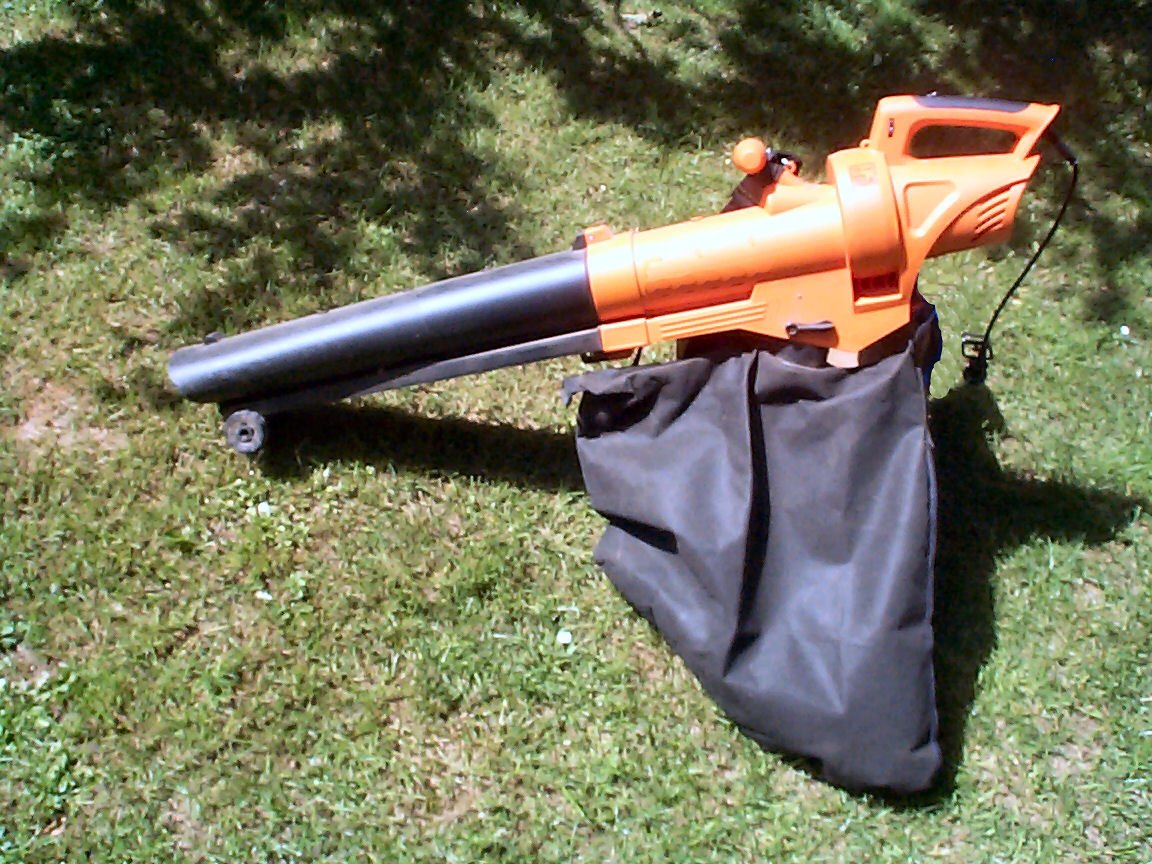
A cordless leaf vacuum is a battery-powered yard tool that uses airflow to pull leaves and light debris through an intake tube and into a collection bag. Many models also work as leaf blowers and include a mulching function that chops leaves before they enter the bag.
Depending on the design, you may switch between blower and vacuum modes by changing tubes, moving a selector, or using a dedicated conversion system. Some tools are primarily blowers with a vacuum attachment, while others are designed as integrated blower-vacuum-mulchers.
The vacuum function is usually best for dry, loose material such as:
- Dry fallen leaves
- Small twigs and thin leaf stems
- Grass clippings on hard surfaces
- Dry pine needles, depending on the intake design
- Light debris along fences, walkways, and landscape edging
When the machine has a mulching impeller, it breaks leaves into smaller pieces. This helps the bag hold more material and can produce useful shredded leaves for a compost pile or as mulch around non-diseased ornamental plants.
Where Cordless Leaf Vacuums Work Best
A battery-powered leaf vacuum is most practical when cleanup is relatively contained. It is a good fit for homeowners who want to collect debris without running a cord across the yard or maintaining a gas-powered machine.
Small and Medium Yards
For a modest lawn with a few deciduous trees, a cordless leaf vacuum can handle regular cleanup effectively. It is most efficient when you vacuum leaves in several shorter sessions instead of waiting until the lawn is covered by a deep, wet layer.
Regular cleanup also helps prevent leaves from matting down on turf. A heavy blanket of leaves can block light and trap moisture, which may stress grass and encourage some turf diseases in cool, damp conditions.
Hard Surfaces and Landscape Beds
Patios, decks, driveways, sidewalks, and porch areas are ideal places to use a leaf vacuum. Leaves are easier to collect from firm surfaces because they do not get caught in long grass or damp soil.
The tool can also be helpful around shrubs and landscape borders, but work carefully. Strong suction can pull in loose mulch, gravel, pine bark, or decorative stone. Blowing leaves into a manageable pile first and vacuuming only the leaf-heavy portion often prevents unnecessary cleanup.
Routine, Light-Debris Cleanup
These machines are designed for light yard debris, not major storm cleanup. If you clear leaves every few days during peak drop, the tool is less likely to clog and the battery is more likely to last through the task.
A cordless leaf vacuum may be less efficient when your yard has many mature trees, frequent heavy leaf fall, deep wet leaves, or a large amount of sticks and seed pods. In those situations, a rake, tarp, lawn mower with a bagging system, or a larger dedicated vacuum may save time.
Leaf Vacuum, Leaf Blower, and Mulching Mower: Which Tool Fits the Job?
Each cleanup method handles leaves differently. The best choice depends on whether you need to move leaves, collect them, mulch them into the lawn, or prepare material for composting.
| Tool | Best Use | Main Advantage | Key Limitation |
|---|---|---|---|
| Cordless leaf vacuum | Collecting dry leaves from smaller areas and hard surfaces | Combines collection with bagging and often mulching | Limited runtime and bag capacity |
| Cordless leaf blower | Moving leaves into piles or away from walkways | Fast for broad, light cleanup | Does not collect material |
| Mulching lawn mower | Chopping a light layer of dry leaves into the lawn | Returns organic matter to the lawn surface | Can leave clumps if leaves are too deep or wet |
| Rake and tarp | Large piles, wet leaves, and mixed debris | Reliable and works without batteries | Requires more physical effort |
If you want tidy hard surfaces and bagged leaves, a vacuum is often the most convenient option. If you have a thin layer of dry leaves over healthy turf, mulching with the mower may be better than removing every leaf. Chopped leaves can break down over time, provided they are spread thinly enough that grass blades are not smothered.
Important Limits of a Cordless Leaf Vacuum
It is easy to overestimate what a handheld vacuum can handle. Understanding its limits before buying will help you avoid clogged tubes, drained batteries, and disappointment.

Wet Leaves Are Harder to Vacuum
Damp or rain-soaked leaves are heavier, stick together, and cling to pavement and soil. They can block the intake tube or collect around the impeller. Even a powerful model may struggle when leaves are packed into a soggy layer.
When possible, wait for leaves to dry. If you must clean up damp debris, work slowly, use shorter passes, and empty the bag more often. A rake may still be the better tool for large wet piles.
Sticks, Rocks, and Mulch Can Cause Damage
Leaf vacuums are not designed to ingest branches, stones, acorns in large quantities, pine cones, landscape rock, or clumps of soil. Hard debris can damage the impeller, split a collection bag, or create a dangerous projectile hazard if it enters the blower side.
Walk the area first and remove obvious sticks and larger debris. Around mulched beds, use the blower setting to move leaves onto a hard surface or open lawn before vacuuming.
Bag Emptying Is Part of the Job
Collection bags fill faster than many buyers expect, especially when leaves are fluffy or only lightly shredded. A mulching ratio can be useful as a general comparison point, but real results vary with leaf type, moisture, and how efficiently the impeller processes material.
Choose a bag that is easy to remove, unzip, and reattach. A bag that is awkward to empty can turn a convenient tool into a frustrating one.
How to Choose a Cordless Leaf Vacuum
The best cordless leaf vacuum is not necessarily the one with the highest advertised airflow number. Consider the full system: battery platform, tube design, vacuum performance, bag usability, weight, and the kind of debris in your yard.
Battery Platform and Runtime
Battery runtime is one of the most important buying factors. Vacuum mode often uses substantial power because the tool must maintain airflow while pulling material through the tube and impeller. Runtime can drop further when using a high-power or turbo setting.
If you already own compatible battery-powered lawn tools, choosing a vacuum that uses the same battery platform may reduce cost and simplify charging. Check whether the tool includes a battery and charger; some are sold as tool-only purchases.
For regular fall cleanup, consider buying a second battery rather than expecting one pack to handle an entire property. This is particularly useful if you have several trees or plan to use the tool for both blowing and vacuuming in the same session.
Airflow and Airspeed
Manufacturers commonly list airflow and airspeed. Both matter, but neither figure alone tells you how well a tool vacuums leaves.
- Airflow generally reflects the volume of air moved.
- Airspeed reflects how quickly air moves through the nozzle.
- Vacuum tube design affects how well the tool picks up leaves from the ground.
- Impeller design influences mulching performance and clog resistance.
For vacuuming, look beyond blower specifications. A wide intake can help collect leaves from hard surfaces, while a narrow intake may be easier to control around pots, edging, and tight corners. If possible, review the manufacturer’s documentation to confirm that the tool is intended for vacuum use rather than only light blower attachment use.
Weight and Handling
A leaf vacuum becomes noticeably heavier as the bag fills. The listed tool weight may not reflect the working weight once leaves accumulate in the collection bag.
Look for a shoulder strap, balanced handle placement, and a bag position that does not pull awkwardly against your leg. These details matter more during a long cleanup session than they do during a quick pass over a patio.
Homeowners with limited hand strength or shoulder mobility may prefer a lightweight blower for gathering leaves, followed by rake-and-tarp collection. A handheld vacuum is convenient, but it is not always the least demanding option.
Conversion Between Blower and Vacuum Modes
Some models require you to remove the blower tube and install a separate vacuum tube and bag. Others have a quicker conversion mechanism. Neither system is automatically better.
A separate tube setup can provide a larger, more effective vacuum intake. A quick-change system is convenient if you frequently alternate between blowing and collecting. Before buying, consider how often you expect to switch modes during a typical cleanup.
Mulching System
A mulching impeller reduces leaf volume, but it will not turn every kind of debris into fine compost-ready material. Thick leathery leaves, damp leaves, and material mixed with twigs can produce coarser pieces and increase the risk of jams.
If your primary goal is creating shredded material for compost or garden beds, choose a model specifically designed for mulching and use it mainly on dry leaves. Do not use leaves from diseased plants in compost unless you know your composting process reaches conditions appropriate for managing plant pathogens.
Noise, Storage, and Maintenance
Cordless tools are generally quieter than gas-powered equipment, but they are not silent. Wear hearing protection during extended use, especially when operating at high speed. Check local noise rules if you live in a neighborhood with equipment-hour restrictions.
For storage, consider where you will keep the tubes, bag, batteries, and charger. A removable bag should be emptied and dried before storage. Storing damp leaf material in the bag can lead to odor, mildew, and premature fabric wear.
Using a Cordless Leaf Vacuum Efficiently
A little preparation improves collection speed and reduces clogs. Instead of trying to vacuum every leaf where it lands, organize the work so the machine handles only the material it is good at collecting.
- Choose dry conditions when possible. Dry leaves move and shred more easily than wet, matted debris.
- Inspect the area. Remove branches, stones, toys, hoses, and loose landscape material.
- Blow leaves into manageable windrows or piles. Work with the wind instead of fighting it.
- Vacuum from the edge of the pile. Feeding leaves gradually reduces the chance of packing the intake.
- Keep the intake near, not buried in, the debris. Pressing the tube deep into a pile can block airflow.
- Empty the bag before it becomes overfilled. A packed bag reduces airflow and makes the tool harder to carry.
- Use shredded leaves productively. Add them to an appropriate compost pile, use them as a light mulch layer, or follow local yard-waste collection rules.
For lawn cleanup, do not feel obligated to vacuum every leaf. A light layer may be mulched with a mower if it does not form clumps or cover the grass completely. Vacuuming is most useful where leaves gather heavily or where a clean surface is important for safety and appearance.
Safety Practices for Leaf Vacuuming
Leaf vacuums have fast-moving impellers and can pick up debris unexpectedly. Read the manufacturer’s manual before use, and follow its instructions for assembly, battery charging, operation, and clearing blockages.
- Wear safety glasses to protect against dust and small debris.
- Use hearing protection for longer work sessions.
- Wear closed-toe shoes and avoid loose clothing that could catch on equipment.
- Keep children, pets, and bystanders away from the work area.
- Never point a blower nozzle toward people, pets, windows, or vehicles.
- Do not vacuum near standing water or operate battery equipment in conditions prohibited by the manufacturer.
- Do not reach into the intake or impeller area while the tool is connected to power.
If the tube clogs, shut the tool off, remove the battery, and wait for all moving parts to stop before inspecting it. Use a stick or other suitable tool if the manual permits it; do not place your hands near the impeller. If a blockage cannot be cleared safely, or if the impeller appears damaged, have the tool serviced according to the manufacturer’s guidance.
Common Buying Mistakes to Avoid
Buying Based Only on Blower Power
A powerful blower is not automatically a capable vacuum. Check whether the product has a dedicated vacuum mode, collection bag, suitable intake tube, and a design intended to handle leaf pickup.
Assuming One Battery Will Cover a Large Property
Battery-powered equipment is convenient, but fall cleanup can be demanding. If you have a large lot or many mature trees, plan around battery changes, shorter sessions, or another collection method.
Expecting It to Replace Every Yard Tool
A cordless leaf vacuum works best as part of a cleanup system. It can complement a rake, mower, tarp, and blower, but it may not replace them all. Large quantities of wet leaves and storm debris still call for more manual collection or heavier-duty equipment.
Ignoring Bag Design
A bag that leaks dust, drags on the ground, or is difficult to empty can make cleanup unpleasant. Pay attention to bag attachment points, zipper or closure quality, shoulder straps, and replacement-part availability.
When a Different Tool May Be Better
Choose another approach if your cleanup demands exceed what a handheld cordless vacuum can comfortably manage. A mower can mulch light leaf cover across a lawn, while a rake and tarp can remove heavy wet piles without clogging. A wheeled yard vacuum may suit a larger property, although it requires more storage space and may be harder to maneuver around narrow beds.
For tall grass, rough ground, or overgrown edges, a string trimmer wheeled model may be useful for cutting vegetation, but it is not a substitute for leaf collection. A high wheeled string trimmer is designed for heavy grass and weeds rather than vacuuming leaves. Matching the equipment to the task prevents unnecessary wear and produces better results.
Before investing, think about the largest cleanup job you expect during the year, not just the average day. A cordless leaf vacuum is an excellent convenience tool for routine collection, but a larger yard may still need a simple backup method for peak leaf season.
Frequently Asked Questions
Can a cordless leaf vacuum pick up pine needles?
Many models can collect dry pine needles from pavement, decks, and other hard surfaces. Results vary because needles can be fine, sticky, and prone to catching in seams or mulch. Check the manufacturer’s intended-use guidance, and avoid vacuuming needles mixed with rocks, bark, or wet soil.
Are shredded leaves safe to use as garden mulch?
Shredded leaves can be useful around many ornamental plants when applied as a light, loose layer. Keep mulch away from direct contact with tree trunks and plant stems, and avoid piling it deeply enough to hold excess moisture against the plant. Leaves from heavily diseased plants are generally better handled through local yard-waste options.
How long do cordless leaf vacuum batteries last?
Runtime varies by battery capacity, power setting, leaf conditions, tool design, and battery age. Vacuuming and mulching usually consume power faster than light blowing. For longer cleanup sessions, a compatible spare battery is often more practical than relying on one charge.
Can I use a leaf vacuum on gravel?
It is usually a poor choice. Gravel, pebbles, and decorative stone can be pulled into the intake and damage the impeller or bag. Blow leaves away from gravel first, then collect them from a safer surface with a rake or vacuum.
What should I do with leaves collected in the vacuum bag?
You can add dry shredded leaves to a compost pile, use them as a thin mulch where appropriate, place them in approved yard-waste containers, or follow your municipality’s seasonal collection rules. Local disposal requirements vary, so check with your waste or public works department before setting out bagged leaves.