
Residential lawn maintenance is the ongoing work that keeps a home’s outdoor space neat, safe, functional, and reasonably healthy. Turf care is part of the job, but homeowners also have to manage bed edges, leaves, shrubs, irrigation, drainage, walkways, play areas, pets, and the time or cost required to keep everything under control.
That makes residential maintenance different from a general lawn-care lesson. The goal is not to perform every possible treatment. It is to build a realistic property routine, protect the areas your household uses most, and know which jobs to do yourself or assign to a service.
This guide focuses on the decisions behind maintaining a residential yard: how to divide the property into manageable zones, organize recurring work, choose a service level, and prevent small issues from becoming expensive repairs.
Treat Residential Lawn Maintenance as Property Management
A home yard has several jobs. It may frame the house from the street, provide a route to doors and utilities, absorb rain, create space for children or pets, and connect turf with trees, beds, patios, fences, and neighboring properties. A successful maintenance plan accounts for all of these uses.
Start by deciding what “well maintained” means for your household. One homeowner may want a highly uniform front lawn, while another may prioritize a durable play area and low-maintenance planting beds. Write down three practical goals, such as:
- Keep the front yard tidy enough for consistent curb appeal.
- Maintain a usable backyard that tolerates pets and foot traffic.
- Prevent water from pooling near the foundation or washing soil onto a walkway.
- Reduce weeds without treating the entire property unnecessarily.
- Limit routine yard work to a set number of hours each month.
Clear goals prevent over-maintaining low-priority areas while urgent items such as drainage, unsafe branches, or damaged irrigation are ignored.
Map the Yard Into Maintenance Zones
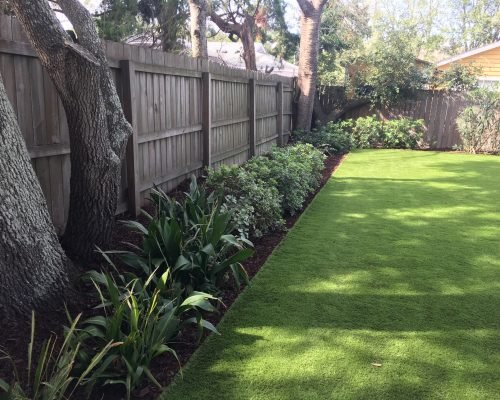
Conditions often vary more within one residential lot than homeowners expect. The sunny front lawn, shaded side yard, compacted play area, and slope near the driveway should not automatically receive the same treatment.
| Zone | Main concern | Practical maintenance approach |
|---|---|---|
| Front and entry | Curb appeal and clean access | Prioritize mowing, edging, litter removal, tidy beds, and clear walks. |
| Family or pet area | Wear, compaction, sanitation, and durability | Inspect high-traffic paths, rotate activities when possible, repair bare soil, and choose pet-safe practices. |
| Shaded side yard | Thin grass, damp soil, and poor air movement | Reduce expectations for turf, manage leaves, correct drainage, and consider a suitable groundcover or mulch. |
| Slope or drainage route | Runoff and erosion | Keep outlets open, avoid washing clippings or products downhill, and address exposed soil early. |
| Fence, foundation, and utility edges | Access, trapped moisture, and difficult mowing | Control weeds, maintain inspection space, protect equipment and siding, and avoid piling mulch against structures. |
Take a few photos and sketch the zones on a simple property map. Mark sprinkler heads, hose connections, downspout outlets, gates, utility boxes, play equipment, low spots, trees, and areas where turf repeatedly fails. This one-time exercise makes future service estimates and DIY work much more precise.
Credit: simplygreenlandscaping.com
Use a Short Weekly Yard Walk
A quick inspection is one of the most valuable homeowner habits. Walk the property before mowing or scheduling work, preferably in daylight when the ground is not saturated. The purpose is to notice changes, not to diagnose every problem immediately.
- Pick up toys, branches, wire, stones, pet waste, and other mower hazards.
- Look for standing water, unusually dry strips, leaking valves, or damaged sprinkler heads.
- Check whether grass is growing fast enough to mow rather than mowing only because it is a certain day.
- Notice new weeds, bare soil, animal digging, mushrooms, discolored patches, or unusual odors.
- Clear leaves and debris from steps, drains, air-conditioning units, and frequently used paths.
- Look overhead for hanging limbs, but do not work near power lines or attempt hazardous tree removal.
Photograph anything that changes quickly. A dated photo can help an irrigation technician, lawn professional, arborist, or Extension specialist understand how the problem developed.
Organize Work by Frequency, Not by a Perfect Calendar
Weather, grass type, tree cover, irrigation, and household use all affect timing. A flexible task rhythm is usually more useful than a rigid national calendar.
| Frequency | Typical homeowner tasks |
|---|---|
| Weekly during active growth | Yard walk, mow if needed, tidy edges, collect hazards and pet waste, and check high-use areas. |
| Monthly | Inspect irrigation coverage, clean around drains and utilities, weed beds, review plant clearance, and note repairs. |
| Seasonally | Adjust irrigation, manage heavy leaf drop, clean gutters and drainage routes, prune appropriate plants, and plan turf repair. |
| Annually or as needed | Soil testing, mower service, irrigation tune-up, professional tree inspection, aeration for confirmed compaction, and larger renovations. |
Combine tasks that use the same tools. For example, inspect the lawn, mow, edge, blow clippings back onto appropriate turf, and record problems in one visit. Avoid repeatedly setting up equipment for isolated cosmetic jobs.
Keep Core Turf Care Simple
Residential lawns still need sound mowing, irrigation, soil, and weed practices. However, these should support the property plan rather than dominate it. For step-by-step explanations of each technique, see our complete lawn maintenance guide.
Mow according to growth
Use a mowing height appropriate for the grass species and avoid removing more than about one-third of the blade at once. Keep the blade sharp, vary the mowing direction when practical, and keep discharged material away from streets, drains, beds, vehicles, and people. Delay mowing when the ground is saturated or when heat and drought have stopped meaningful growth.
Water by zone and actual need
Do not assume every part of the yard needs the same runtime. Check soil moisture and sprinkler coverage before increasing a whole system. Morning irrigation is generally preferable, while repeated puddling or runoff suggests that scheduling, drainage, pressure, or soil infiltration needs attention. Follow local watering restrictions.
Use fertilizer and weed products selectively
A soil test and correct plant identification can prevent unnecessary applications. Treat the reason turf is thin—such as shade, traffic, compaction, or poor coverage—rather than expecting a product to compensate for the site. Read and follow the current label, protect people and pets, and keep materials off pavement, drains, edible plants, and water.
Aeration, seeding, sod installation, and broad treatments are occasional projects, not default weekly chores. Schedule them only when the grass type, season, and condition make the work appropriate.
Maintain the Whole Yard, Not Just the Grass
A lawn can be healthy and still make a property look neglected if beds, walks, shrubs, or edges are unmanaged. Whole-yard maintenance also prevents nearby problems from spreading into the turf.
Edges and landscape beds
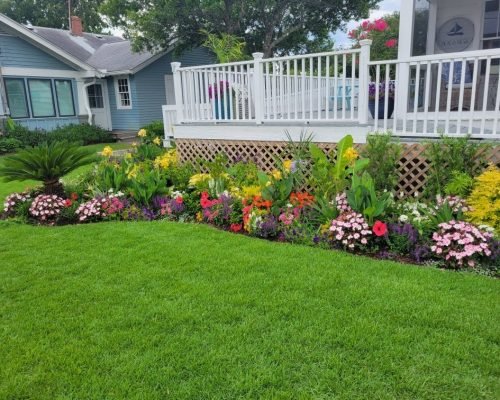
Maintain a visible boundary between turf and beds without cutting so deeply that soil washes out. Pull or spot-treat weeds before they produce seed. Replenish mulch only as needed, keep it away from trunks and stems, and avoid creating deep “mulch volcanoes” around trees.
Shrubs, trees, and sightlines
Keep plants from blocking doors, address numbers, walkways, windows, utility equipment, and driveway sightlines. Pruning time and technique vary by plant. Large limbs, trees near structures, and work near electrical conductors belong with qualified professionals.
Walkways, patios, and structures
Sweep or redirect clippings so they do not create slippery surfaces or enter stormwater systems. Watch for irrigation spraying siding, gates that no longer close, roots lifting pavement, and soil or mulch touching vulnerable parts of the house. Do not conceal foundation, drainage, or pest issues with landscaping.
Drainage and roof runoff
Keep swales, catch basins, downspout outlets, and other intended drainage routes open. Erosion, repeated standing water, wet foundations, or discharge onto a neighboring property may require professional assessment and may be subject to local rules. Call the appropriate utility-marking service before digging.

Credit: dreamstime.com
Plan Around Children, Pets, and Neighbors
Residential work happens close to people, animals, windows, vehicles, and shared boundaries. Before operating powered equipment, clear the work area and keep bystanders indoors or at a safe distance. Use eye, hearing, hand, foot, and other protection specified by the equipment manufacturer.
Store fuel, batteries, fertilizers, pesticides, sharp tools, and mower keys securely. Follow product-label re-entry instructions rather than guessing when children or pets can return. Remove pet waste before mowing, rinse only where appropriate, and do not direct grass clippings or spray onto adjacent properties.
Noise ordinances and quiet hours may apply to mowers, blowers, trimmers, and contractors. A predictable service day and respectful cleanup can prevent disputes with neighbors.
Choose a DIY, Hybrid, or Full-Service Routine
Homeowners do not have to choose between doing everything and outsourcing everything. Three common models work well:
| Approach | Best fit | Typical division of work |
|---|---|---|
| DIY | Smaller properties, available storage, physical ability, and interest in routine work | Homeowner handles inspections, mowing, cleanup, minor repairs, and recordkeeping. |
| Hybrid | Homeowners who can manage weekly basics but not specialized or seasonal projects | Homeowner mows and tidies; professionals handle tree work, irrigation, soil testing, aeration, or renovation. |
| Full service | Larger properties, limited time or mobility, rental homes, or a consistently high finish standard | A contractor performs agreed recurring tasks, while the owner monitors results and approves extra work. |
A hybrid plan is often the easiest way to control cost without taking on jobs that require specialized equipment, licensing, diagnosis, or significant safety risk.
Know What a Lawn Service Actually Includes
“Lawn service” can mean mowing only, a turf-treatment program, seasonal cleanup, or complete landscape maintenance. Never assume edging, blowing, shrub pruning, bed weeding, fertilizer, haul-away, irrigation checks, or storm cleanup is included.
Before accepting an estimate, ask for a written scope that answers:
- Which areas of the property are included or excluded?
- Is service based on a fixed schedule or actual grass growth?
- Are edging, trimming, and cleanup included each visit?
- What happens during drought, dormancy, heavy rain, holidays, or missed visits?
- Are fertilizer or pesticide applications included, and who is legally authorized to apply them?
- How are gates, pets, irrigation components, and property damage handled?
- Which jobs require separate approval and pricing?
- Does the provider carry appropriate insurance and any locally required credentials?
- How can either party change or cancel the service?
Walk the property with a prospective provider and use your zone map. Confirm mower access, gate width, fragile edges, hidden sprinkler heads, septic components, pet areas, and places where discharge could damage vehicles or windows.
Set Budget Priorities Before Buying Treatments
Residential lawn maintenance costs vary by lot size, access, region, frequency, finish level, and service scope. Instead of starting with a package or product, put available money toward the highest-impact needs.
- Safety and property protection: hazardous trees, exposed utilities, severe drainage, unstable surfaces, and damaged equipment.
- Basic function: reliable mowing equipment, usable access, corrected leaks, open drains, and erosion control.
- Turf fundamentals: correct mowing, targeted watering, soil information, and repair of high-use areas.
- Appearance upgrades: sharper edging, bed refreshes, decorative treatments, and lower-priority renovations.
Include equipment storage, fuel or charging, blade service, yard-waste fees, water use, and replacement parts when comparing DIY work with a contractor’s price. The lowest visit price is not always the lowest total cost if important cleanup or seasonal work is excluded.
Use a Homeowner-Focused Seasonal Checklist
Spring: inspect and restart
- Walk the property for winter damage, blocked drainage, heaved edges, and broken branches.
- Service mowing equipment and test irrigation before peak demand.
- Clean beds and paths without working saturated soil.
- Agree on the year’s service scope before rapid growth begins.
Summer: protect use and reduce stress
- Adjust mowing and irrigation to actual growth, rainfall, heat, and restrictions.
- Inspect pet paths, play areas, reflected heat zones, and dry sprinkler gaps.
- Keep walks safe and avoid unnecessary applications to stressed turf.
- Plan vacations so an overgrown lawn is not cut drastically on return.
Fall: manage debris and schedule repairs
- Keep heavy leaf layers from blocking turf, drains, and walkways.
- Complete grass-type-appropriate repair or soil work while recovery conditions are suitable.
- Review tree condition and clear roof-drainage routes.
- Reduce service frequency when growth slows rather than following summer timing automatically.
Winter: protect dormant areas and plan
- Limit traffic on frozen, saturated, or dormant turf when it causes damage.
- Winterize irrigation and equipment where local conditions require it.
- Review the year’s records, recurring trouble spots, and contractor performance.
- Request estimates early for major drainage, tree, or renovation projects.
Credit: simplygreenlandscaping.com
Route Problems to the Right Professional
Brown turf, standing water, declining trees, and damaged hardscape do not all belong to the same provider. Choosing the right expertise saves time and reduces guesswork.
- Persistent turf, weed, insect, or disease question: a qualified lawn professional or local Cooperative Extension resource.
- Leaks, poor coverage, valves, or controller issues: an irrigation technician.
- Hazardous branches, large-tree decline, or root conflicts: a qualified arborist.
- Repeated pooling, erosion, grading, or foundation-adjacent water: an appropriate drainage, landscape, or engineering professional depending on severity.
- Retaining walls, electrical work, gas lines, or major structures: properly qualified and licensed professionals as required locally.
Do not keep adding water, fertilizer, seed, or chemicals to an undiagnosed area. Record the location, timing, weather, irrigation behavior, and recent work before asking for help.
Keep a Simple Property Log
A useful record can be one page or a phone note. Track service dates, rainfall or irrigation changes, products applied, equipment maintenance, photos of recurring problems, and promised contractor follow-ups. Save soil-test results, warranties, invoices, and irrigation-zone information in the same place.
Review the log at the end of each season. If one zone repeatedly requires extra water, seed, or treatment, changing the landscape may be more practical than continuing to force turf into unsuitable conditions.
Frequently Asked Questions
What is normally included in residential lawn maintenance?
At minimum, routine residential lawn maintenance usually means mowing and basic cleanup. Depending on the homeowner or service agreement, it may also include edging, trimming, bed care, leaves, shrub pruning, irrigation checks, fertilizer, weed control, aeration, or repairs. A written scope is the only reliable way to know what a contractor includes.
How much time should a homeowner reserve for yard maintenance?
It depends on property size, growth rate, slopes, access, trees, beds, equipment, and the desired finish. Estimate each recurring task separately during peak growth, then add setup and cleanup time. If the routine regularly exceeds the time available, reduce the maintained area, simplify the landscape, or outsource selected jobs.
Is it better to hire one full-service company or several specialists?
A single company can simplify scheduling when it has the right capabilities. Specialists may be better for irrigation, mature trees, drainage, or complex turf diagnosis. Many homeowners use one provider for routine mowing and call qualified specialists for occasional technical work.
How can I make a residential yard lower maintenance?
Reduce difficult-to-mow strips, match plants to light and moisture, replace chronically failing turf where appropriate, define bed edges, improve tool access, automate irrigation carefully, and solve drainage problems. Lower maintenance comes from better design and realistic standards—not simply from mowing or spraying more often.
How do I know whether a yard problem is cosmetic or urgent?
Conditions involving people’s safety, power lines, unstable trees, exposed utilities, severe erosion, standing water near structures, fuel leaks, or damaged equipment deserve prompt attention. Uneven color, minor weeds, and small thin areas are usually less urgent, but they should still be monitored for change.
Residential lawn maintenance works best when it is designed around the household and the property. Define your priorities, inspect the yard regularly, keep routine turf care simple, and use qualified help when a problem extends beyond safe basic maintenance.