
Lawn maintenance is the routine care that keeps grass healthy, usable, and attractive over time. It includes mowing, watering, feeding the soil, managing weeds, correcting drainage or compaction problems, and adjusting care as seasons change.
If you are asking what is lawn maintenance, the simplest answer is that it is preventive yard care. Instead of waiting for thin turf, weeds, bare spots, or pests to become major problems, you use regular practices that support strong grass and address small issues early.
A good plan is not the same for every property. Grass type, climate, shade, soil, foot traffic, irrigation, and local weather all affect what your lawn needs. The goal is not a perfectly identical green carpet; it is a dense, resilient lawn that fits your home, budget, and growing conditions.
What Lawn Maintenance Includes
Lawn maintenance covers both frequent chores and occasional seasonal work. Some tasks are needed weekly during active growth, while others may only be necessary once a year or when the lawn shows a specific problem.
- Mowing: Cutting grass at an appropriate height without removing too much at once.
- Watering: Providing enough moisture for roots while avoiding frequent shallow watering and runoff.
- Fertilizing: Supplying nutrients when the grass is actively growing and can use them.
- Weed management: Preventing and controlling unwanted plants through healthy turf, hand removal, and targeted products when needed.
- Soil care: Managing compaction, poor drainage, pH concerns, and low organic matter.
- Aeration and dethatching: Improving air, water, and nutrient movement when compacted soil or excessive thatch limits growth.
- Seeding or overseeding: Filling thin areas and improving turf density, especially in cool-season lawns.
- Leaf and debris removal: Keeping heavy leaf layers, branches, and other materials from smothering grass.
- Pest and disease monitoring: Identifying problems before applying any treatment.
- Equipment upkeep: Keeping mower blades sharp and tools clean, safe, and ready to use.
Yard maintenance is broader than lawn maintenance. It may also include trimming shrubs, pruning trees, caring for flower beds, edging walkways, maintaining mulch, cleaning hardscape surfaces, and managing drainage. A lawn is only one part of the landscape, but its condition often affects how the entire yard looks and functions.
Start With Your Lawn’s Growing Conditions
Before setting a mowing or fertilizing routine, identify the conditions your grass faces. Copying a neighbor’s schedule may not work if your lawn has different sun exposure, soil, or turf species.
Know whether you have cool-season or warm-season grass
Cool-season grasses, such as Kentucky bluegrass, perennial ryegrass, and tall fescue, grow most actively in cooler spring and fall weather. They are common in northern states and in some transition-zone lawns. Fall is often the most important recovery and seeding period for these grasses.
Warm-season grasses, including bermudagrass, zoysiagrass, St. Augustinegrass, and centipedegrass, grow best during warm weather and may turn dormant or slow down after cool temperatures arrive. They are common across the South and warmer parts of the transition zone. Their primary feeding, mowing, and repair period is usually late spring through summer, while they are actively growing.
If you do not know your grass type, look at how it behaves through the year, compare its leaf texture and growth pattern with local turf guides, or contact your county Cooperative Extension office. Correct grass identification makes nearly every maintenance decision easier.
Assess sunlight, soil, and traffic
Grass needs adequate light, even when a variety is marketed as shade tolerant. Thin turf under dense tree canopies may result from shade, root competition, dry soil, compacted ground, or all three. In some heavily shaded places, a mulch bed, groundcover, or other landscape solution may be more realistic than repeatedly reseeding grass.
Soil also determines how water and nutrients move. Sandy soil drains quickly and may need different watering and feeding practices than heavy clay. Clay soil often holds water longer but can compact easily and create runoff on slopes. Frequent foot traffic, pets, play areas, and mower turns can also compact soil and wear grass down.
Build a Practical Lawn Maintenance Routine
A dependable routine focuses first on the basics that have the greatest effect: mowing correctly, watering deeply when needed, and protecting the soil. Once those habits are in place, fertilizing, seeding, and weed control become more effective.
Mow for root health, not just appearance
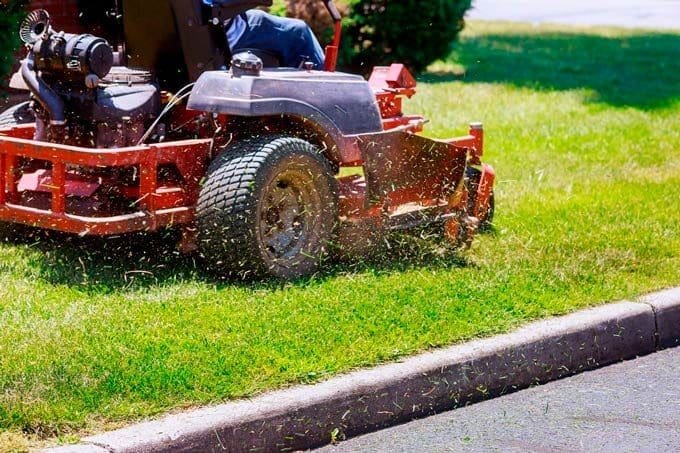
Proper mowing is one of the most important lawn maintenance practices. Grass blades capture sunlight and help the plant produce energy. Cutting too low reduces that energy supply, exposes soil to heat, and can encourage weeds.
- Set the mower height for your specific turf type and season rather than using one setting for every lawn.
- Avoid removing more than about one-third of the grass blade in a single mowing whenever possible.
- Mow often enough during peak growth to avoid scalping the lawn.
- Keep mower blades sharp. Dull blades tear grass, leaving ragged tips that can make turf look gray or brown.
- Change mowing direction from time to time to reduce rutting and grass lean.
- Leave short, dry grass clippings on the lawn when practical. They return nutrients and usually do not cause thatch.
Do not mow drought-stressed grass aggressively just to maintain a calendar. Likewise, avoid mowing saturated soil, which can cause ruts, compact the ground, and spread soil onto hard surfaces.
Water deeply and adjust for rainfall
Established lawns generally perform better with less frequent, deeper watering than with daily light sprinkling. Deep watering encourages roots to grow farther into the soil, where they are better able to handle heat and short dry spells.
The correct amount and timing depend on grass type, soil, rainfall, slope, temperature, and irrigation coverage. Rather than relying on a fixed schedule, inspect the lawn and soil. Grass that looks dull, develops a bluish-gray cast, or does not spring back after being walked on may need water, but similar symptoms can also result from heat, compaction, pests, or disease.
- Water early in the day when possible so leaf blades can dry.
- Apply water slowly enough to prevent runoff, especially on clay soil or slopes.
- Check whether sprinklers cover the entire lawn instead of assuming every zone performs evenly.
- Reduce or pause irrigation after meaningful rainfall.
- Follow local watering restrictions, particularly during drought conditions.
New seed and newly installed sod need more careful, frequent moisture management until roots establish. Their watering needs are different from those of a mature lawn.
Feed the lawn based on need and season
Fertilizer can improve color and growth when the soil lacks nutrients, but more fertilizer is not better. Excessive applications can cause rapid, weak growth, increase mowing needs, contribute to thatch, and create runoff risks.
A soil test is the most reliable way to learn whether your soil needs nutrients or pH adjustment. Use a test from a university extension program, reputable laboratory, or local service when possible. Apply fertilizer during the grass’s active growth period and use only products labeled for your turf and intended use.
Always follow the current product label for application rates, timing, protective equipment, storage, and watering instructions. Sweep fertilizer granules off driveways and sidewalks and keep products away from storm drains, ponds, and waterways.
Control Weeds by Improving Turf First
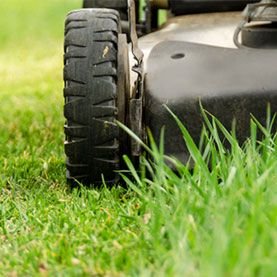
Weeds often take advantage of open soil and weak grass. A thick lawn created through appropriate mowing, watering, fertility, and seeding is one of the best long-term weed-control tools.
Credit: evergreenlawncaregville.com
Identify the weed before treating it
Not all weeds respond to the same method. Broadleaf weeds, grassy weeds, sedges, and invasive plants may require different approaches. Timing also matters: some products prevent certain weeds before they emerge, while others work only on actively growing weeds.
For a few isolated weeds, hand pulling or spot treatment may be enough. Remove the entire root system when possible, especially before the plant produces seed. If using an herbicide, choose a product labeled for the weed and your grass type. Some products can injure desirable turf, newly seeded areas, ornamental plants, or nearby trees if used incorrectly.
Use caution around people, pets, pollinators, and edible plants
Read the product label before use and follow all instructions about application conditions, protective gear, storage, and re-entry. Avoid spraying on windy days, near open water, or where drift could reach vegetable gardens and desirable plants. Keep children and pets away until the label’s instructions allow re-entry.
Avoid treating every brown or thin spot as a weed problem. Disease, insects, drought, dog urine, compaction, mower scalping, and irrigation failures can all create patches that look similar from a distance.
Improve Soil With Aeration, Dethatching, and Topdressing
Healthy grass depends on healthy soil. If water puddles, grass struggles despite reasonable care, or the ground feels hard underfoot, the problem may be below the surface.
When aeration helps
Core aeration removes small plugs of soil and turf, creating openings that improve air exchange, water infiltration, and root access to nutrients. It is most useful on compacted lawns, high-traffic areas, heavy clay soil, or turf with poor water penetration.
Aerate when the grass can recover actively. Cool-season lawns are commonly aerated in early fall, while warm-season lawns are generally aerated during their active late-spring or summer growth period. Avoid aerating when grass is dormant, drought-stressed, or under severe heat stress.
Aeration can pair well with overseeding on cool-season lawns because seeds have more contact with exposed soil. However, pre-emergent weed-control products may interfere with grass seed germination, so review product labels and plan timing carefully.
Do not confuse thatch with grass clippings
Thatch is a dense layer of partially decomposed stems, roots, and other plant material between green grass and the soil surface. A thin layer can be normal. Excessive thatch may block water and nutrients, harbor pests, and make grass feel spongy.
Grass clippings alone are not usually the cause of damaging thatch when lawns are mowed properly. Overfertilizing, overwatering, and grass species with aggressive spreading growth can contribute more significantly.
Dethatching uses specialized equipment to pull excess material from the lawn. It can be stressful, so it should be done only when a genuine thatch problem exists and when the turf has time to recover. For many homeowners, core aeration and better mowing, watering, and fertility practices are more appropriate than aggressive dethatching.
Repair Thin Grass and Bare Areas
Thin turf invites weeds and makes a lawn look tired even when it is mowed neatly. Before adding seed or sod, determine why the area failed. Otherwise, the repair may be short-lived.
Common causes include shade, compacted soil, poor irrigation coverage, pet damage, insects, disease, tree roots, heavy traffic, drainage issues, and unsuitable grass species. Correct the underlying condition as much as possible before making the repair.
Credit: earthdevelopmentinc.com
Overseeding cool-season lawns
Overseeding adds grass seed to an existing lawn to improve density. It is especially useful for cool-season grass that has thinned after summer heat, drought, or traffic. Good seed-to-soil contact, consistent moisture during germination, and suitable temperatures matter more than simply spreading a large amount of seed.
- Mow the existing grass at an appropriate lower height without scalping it, then remove excessive debris.
- Address compaction or thatch if those issues are limiting growth.
- Choose a seed blend or mix suited to your region, sun exposure, and expected traffic.
- Spread seed evenly according to the seed label.
- Keep the seedbed consistently moist until seedlings establish, then gradually transition to deeper watering.
- Delay herbicide use and mowing only as long as product labels and seedling growth conditions require.
Warm-season lawns are often repaired through plugs, sprigs, sod, or spreading growth, depending on the grass type. Seeding is appropriate for some warm-season species but not all. Use a method that matches the turf you already have.
Follow a Seasonal Approach Rather Than a Fixed Calendar
Seasonal lawn care should follow grass growth and local weather, not a single nationwide schedule. A task that is useful in April in one part of the country may be too early, too late, or unnecessary elsewhere.
| Seasonal period | Common lawn maintenance priorities | What to watch for |
|---|---|---|
| Early spring | Inspect winter damage, clean debris, service equipment, and monitor drainage. | Avoid heavy traffic or aggressive work on wet, soft soil. |
| Late spring and summer | Mow consistently, adjust watering for heat and rainfall, and manage weeds before they spread. | Heat stress, uneven irrigation, insects, disease, and mowing too short. |
| Fall | Support recovery, remove leaves, repair thin cool-season turf, and prepare irrigation for cold weather where needed. | Frost timing, leaf buildup, and whether grass is still actively growing. |
| Winter | Reduce traffic on dormant or frozen turf, remove damaging debris, and plan next season’s improvements. | Snow mold in some regions, salt damage near pavement, and damage from equipment storage leaks. |
Warm-season grass typically needs its most intensive care during warm months, while cool-season grass often responds best to major renovation work in fall. Local Cooperative Extension guidance can help refine timing for your county and grass type.
Maintain Lawn Equipment Safely
Well-maintained equipment makes yard maintenance easier and helps protect the lawn. A mower with a sharp blade creates a cleaner cut, while a poorly maintained mower can tear grass and leave uneven results.
- Inspect mower blades regularly and sharpen or replace them when they are dull or damaged.
- Clean grass buildup from mower decks according to the manufacturer’s instructions.
- Check tires, handles, guards, cords, batteries, and fasteners before use.
- Use the fuel, oil, charging method, and maintenance schedule specified in the owner’s manual.
- Store fuel and chemicals securely, away from heat sources, children, and pets.
Before clearing a mower deck, unclogging a trimmer, or performing maintenance, shut the equipment off, disconnect power or remove the battery when applicable, and allow hot parts to cool. Never bypass guards, blade brakes, shields, or other safety features. If a repair involves electrical components, fuel systems, damaged blades, or unfamiliar mechanical work, professional service is often the safer option.
Should You Hire a Lawn Maintenance Service?
A lawn maintenance service can be useful if you lack time, equipment, physical ability, or confidence with seasonal tasks. Services range from simple mowing visits to full programs that include fertilization, weed control, aeration, irrigation checks, leaf removal, and landscape maintenance.
Before hiring a yard maintenance service, be clear about what is included. “Lawn care” can mean mowing only for one company and a multi-step treatment program for another. Ask for written details about services, timing, property access, cleanup, chemical use, and how the company handles concerns such as newly seeded areas, pets, gardens, or drainage issues.
- Ask whether the provider identifies your grass type and evaluates site conditions before recommending treatments.
- Request notice before pesticide or fertilizer applications if children, pets, edible gardens, or pollinator habitat are concerns.
- Confirm whether mowing, edging, trimming, and debris removal are included or billed separately.
- Ask how the provider responds if a treatment does not address the reported issue.
- Review local licensing or certification requirements for pesticide applications in your area.
Professional care is especially worthwhile for complex irrigation problems, large-scale drainage issues, persistent turf disease, major tree-root conflicts, or lawn renovation projects that require specialized equipment. For basic mowing, watering, and cleanup, many homeowners can maintain a healthy lawn with a simple, consistent routine.
Common Lawn Maintenance Mistakes to Avoid
- Scalping the grass: Cutting too short weakens turf and exposes more soil to weeds and heat.
- Watering by habit: Running sprinklers on a fixed schedule despite rainfall can waste water and promote disease.
- Treating symptoms without diagnosis: Brown patches do not automatically mean grubs, fungus, or drought.
- Applying too much fertilizer: Excess nutrients can create fast, weak growth and increase environmental risk.
- Ignoring mower blade condition: Dull blades tear grass rather than cutting it cleanly.
- Using products without reading labels: Herbicides and fertilizers have turf, weather, safety, and timing limits.
- Trying to grow grass where conditions will not support it: Dense shade, chronic flooding, or intense traffic may call for a different landscape solution.
The most effective lawn maintenance plan is usually straightforward: match the grass to the site, mow correctly, water based on conditions, protect the soil, and respond to problems with evidence rather than guesswork. Consistent basic care will do more for most lawns than a long list of unnecessary treatments.

Credit: gomow.com
Frequently Asked Questions
How often should a lawn be mowed?
Mow based on growth rate rather than a strict weekly rule. During active growth, many lawns need mowing about once a week, while growth slows during drought, cold weather, or dormancy. Avoid removing more than roughly one-third of the blade at one time.
Can grass clippings stay on the lawn?
Yes, short clippings from a regularly mowed, dry lawn can usually remain on the turf. They break down and return nutrients to the soil. Remove or redistribute heavy clumps that could block light and smother grass.
Is aeration necessary every year?
Not always. Aeration is most useful when soil is compacted, water runs off instead of soaking in, roots are shallow, or traffic has hardened the ground. A lawn with loose soil and healthy growth may not need annual aeration.
What is the difference between lawn care and landscaping?
Lawn care focuses mainly on turf and soil practices such as mowing, watering, fertilizing, seeding, and weed control. Landscaping is broader and can include plant beds, trees, shrubs, patios, drainage features, edging, mulch, and landscape design.
When should a homeowner call a professional instead of trying to fix the lawn alone?
Call a qualified professional when there is a persistent or spreading problem you cannot identify, major drainage failure, suspected irrigation damage, large tree-root issues, significant grading work, or a treatment that requires licensing or specialized equipment. A professional diagnosis can prevent unnecessary products and repeated repairs.