
Tillers and cultivators both work soil, but they are built for different jobs. A tiller is the better tool for breaking new ground, mixing in amendments, or renovating a large vegetable garden. A cultivator is lighter and easier to control for loosening the surface, removing small weeds, and preparing established beds.
Choosing the right machine starts with the work you need it to do. Buying more power than necessary can make routine garden care tiring, while choosing an undersized tool for compacted ground can lead to frustration, poor results, and unnecessary wear on the equipment.
This guide explains how tillers and cultivators differ, where each one works best, what features matter when buying, and how to use either tool without damaging your soil structure, plants, or underground irrigation.
Related reading: gas-powered garden tillers and raised bed gardening and soil preparation.
Understanding the Difference Between Tillers and Cultivators
The words tiller and cultivator are sometimes used interchangeably, but the machines usually have different capabilities. The main differences are tine size, engine or motor power, working depth, and intended use.
| Feature | Tiller | Cultivator |
|---|---|---|
| Primary purpose | Breaking, turning, and mixing soil | Loosening surface soil and managing weeds |
| Typical working depth | Deeper, depending on model and soil conditions | Shallow, usually for the top layer of soil |
| Best for | New gardens, large beds, soil renovation | Established beds, rows, and seasonal maintenance |
| Machine size | Ranges from compact to heavy-duty | Usually lightweight and narrow |
| Ease around plants | Can be difficult in tight spaces | Generally easier to maneuver carefully |
What a Tiller Does
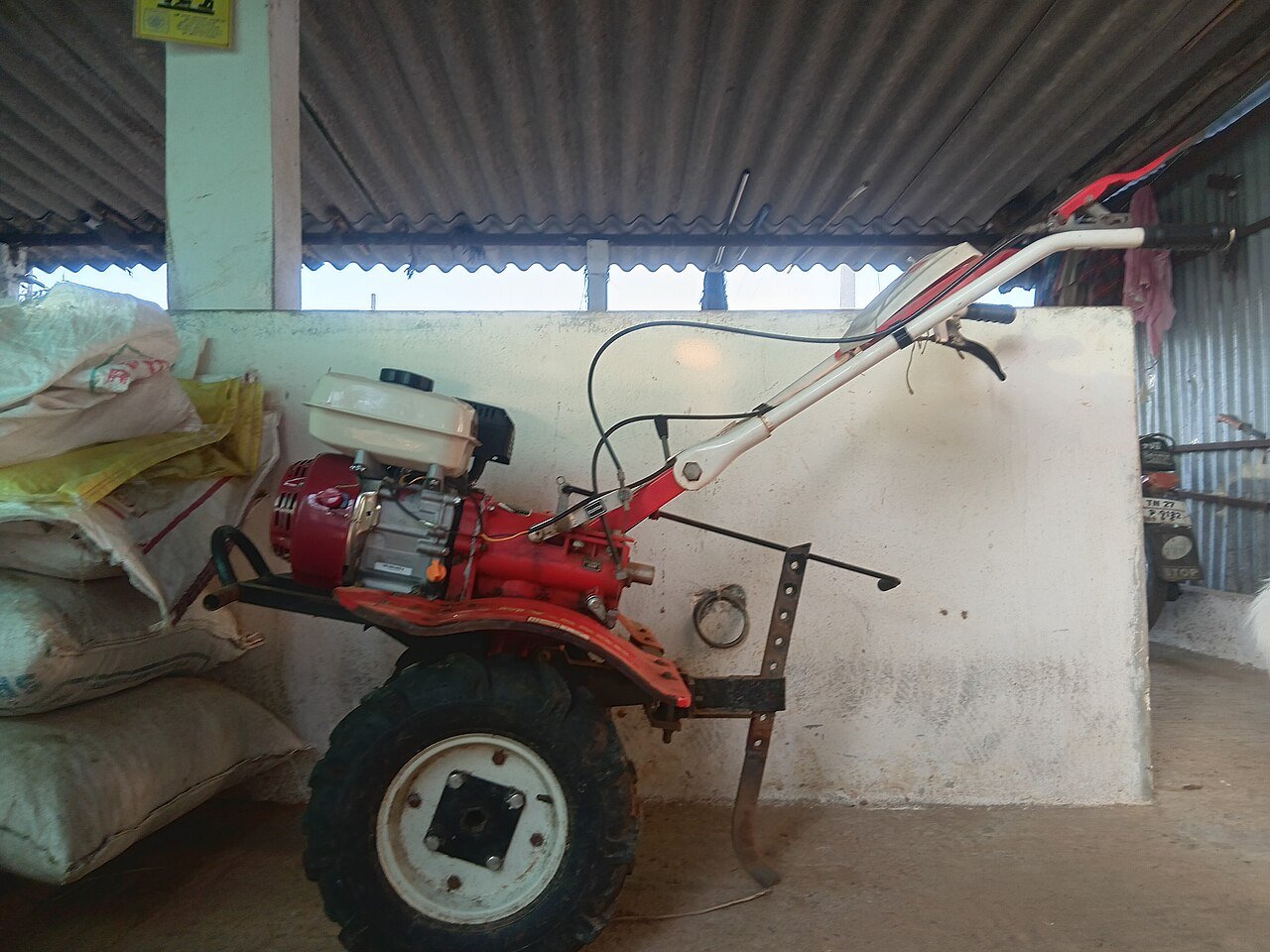
A garden tiller uses rotating metal tines to dig into the soil. It can break up sod, work compost into a new bed, incorporate cover crops, and loosen compacted garden soil. Larger tillers often have wheels, adjustable depth controls, and wider tine sets to cover more ground efficiently.
Tillers are most useful when soil needs substantial preparation. For example, a homeowner converting a section of lawn into a vegetable garden may use a tiller after removing turf and checking for buried utilities, irrigation lines, roots, and landscape edging.
However, repeated deep tilling is not always beneficial. Frequent aggressive tilling can break down soil aggregates, disturb earthworms and beneficial organisms, bring dormant weed seeds to the surface, and contribute to erosion on slopes. Use a tiller when it solves a real soil-preparation problem rather than as an automatic yearly task.
What a Cultivator Does
A cultivator is designed for lighter work near the soil surface. It can fluff soil before planting, disturb newly emerging weeds between rows, mix a small amount of compost into the top layer, and break up light crusting after rain.
Because cultivators are smaller and less aggressive, they are often the more practical choice for raised beds, flower borders, and established vegetable gardens. They are not usually the best tool for cutting through mature sod, dense clay, large rocks, or untouched compacted ground.
Think of a cultivator as a maintenance tool. It helps keep a prepared garden workable, while a tiller is more suited to major soil preparation.
Common Uses for Garden Tillers
A tiller can save substantial physical effort, but only when its power and size match the job. The following uses are among the most appropriate.
Creating a New Garden Bed
Breaking ground is one of the clearest reasons to use a tiller. Before tilling, remove large rocks, branches, construction debris, and as much existing turf as practical. Mark sprinkler lines, low-voltage lighting wires, invisible pet fences, and other buried features.
If the area contains thick turf or persistent perennial weeds, a single pass with a tiller may chop and spread roots or rhizomes rather than eliminate them. In those cases, sheet mulching, solarization where climate and timing allow, careful removal, or a targeted control approach may be more effective before soil preparation begins.
Incorporating Organic Matter
Compost can improve soil structure, moisture management, and nutrient availability. A tiller can mix compost into a new garden bed, especially where native soil is compacted or low in organic matter.
Do not assume more amendment is always better. Excess compost, manure, or fertilizer can create nutrient imbalances, particularly phosphorus buildup. A soil test through a local Cooperative Extension office or reputable laboratory can help guide amendment decisions.
Preparing Larger Vegetable Gardens
A medium or large tiller is useful for preparing broad in-ground gardens before planting. It can break up overwintered cover crops, level rough areas, and create a workable seedbed after the soil has dried sufficiently.
Avoid working wet soil. Clay soil in particular can smear and form hard clods when tilled while saturated. A simple check is to squeeze a handful of soil: if it forms a sticky ball that does not crumble when pressed, wait for drier conditions.
Mixing Cover Crop Residue
Gardeners sometimes use tillers to incorporate dead cover crops in spring or fall. This can speed decomposition, but it is not the only option. Cutting the cover crop and leaving it as surface mulch may better protect soil in some gardens.
The best approach depends on the crop, planting schedule, pest pressure, soil type, and whether you are moving toward reduced-till gardening. For a small home garden, a shallow pass may be enough if the goal is simply to prepare planting rows.
Common Uses for Cultivators
Cultivators work best when the soil has already been prepared and you need quick, shallow maintenance. Their lighter weight also makes them less intimidating for gardeners who do not need a full-size tiller.

Controlling Small Weeds Between Rows
Shallow cultivation can disrupt young annual weeds before they establish deeper roots. Timing matters: it is easier to manage weeds when they are tiny than after they have flowered or spread underground.
Keep the tines away from crop stems and shallow-rooted plants. A cultivator can damage roots, especially around beans, lettuce, herbs, onions, young perennials, and newly transplanted flowers. In tight spaces, a hand hoe may offer better control.
Refreshing Raised Beds
Raised beds often need only surface loosening before planting. A small cultivator can break up the top few inches after you add compost, provided the bed is wide enough to use it safely and there are no drip lines close to the surface.
For narrow beds, hand tools may be easier. Machine cultivation close to wooden, metal, or composite bed walls can damage the tines, frame, irrigation tubing, or edging.
Preparing Soil for Seeds
Fine seeds need a reasonably smooth seedbed and good seed-to-soil contact. A cultivator can help crumble light surface clods before sowing carrots, radishes, greens, or annual flowers. It should not be used so aggressively that it turns the soil into dust, especially in dry or windy conditions.
Mixing Light Amendments
When adding a modest layer of finished compost to an established bed, a cultivator can blend it into the upper soil layer. This is useful where deep mixing would disturb roots or bring buried weed seeds to the surface.
Types of Tillers and Cultivators
The best machine depends on the size and condition of your garden. Focus on the layout, soil difficulty, storage limitations, and how often you expect to use the tool.
Front-Tine Tillers
Front-tine tillers place the tines in front of the wheels. They are common for home gardens because they are generally more compact and less expensive than larger rear-tine designs. They can handle established garden soil and moderate bed preparation, but they may pull forward or bounce in hard ground.
These machines suit homeowners with small to medium in-ground gardens that are maintained regularly. They require a firm grip and patience when working compacted areas.
Rear-Tine Tillers
Rear-tine tillers have the tines behind the wheels, which can improve traction and control in larger or tougher plots. Some have counter-rotating tines that turn opposite the wheel direction to help break dense soil. Others use standard rotating tines for quicker work in already-loosened ground.
They are usually heavier, larger, and more expensive, but they can be worthwhile for large gardens, repeated ground preparation, or difficult native soil. Their weight also makes transport and storage more demanding.
Mini Tillers and Compact Tillers
Mini tillers fit between a cultivator and a full-size tiller. They are useful for smaller vegetable plots, garden rows, and beds that need more power than a lightweight cultivator can provide. They may manage moderately firm soil, but they are not a substitute for a heavy rear-tine tiller in rocky, compacted ground.
Electric and Battery Cultivators
Corded electric cultivators are quiet, simple to start, and suitable for work close to an outdoor power source. The extension cord limits mobility and must be kept well away from the tines.
Battery cultivators offer more freedom of movement and lower routine maintenance than gas models. Their practical runtime and power depend on the battery platform, battery condition, soil resistance, and tine width. They are best for light cultivation rather than large-scale soil breaking.
Gas-Powered Tillers and Cultivators
Gas machines generally provide more sustained power for larger areas and hard soil. They also require fuel handling, engine maintenance, seasonal storage preparation, and attention to noise and exhaust.
Follow the manufacturer’s instructions for fuel type, oil, maintenance, starting procedures, and storage. Never refuel a hot engine, and do not operate gas-powered equipment in enclosed spaces.
How to Choose the Right Size and Power
Do not choose solely by engine size or marketing language. A tool that fits your property and tasks will be more useful than the most powerful model on the shelf.
Match the Tool to Garden Size
- Small raised beds, flower beds, and row touch-ups: A lightweight cultivator or compact battery model is often enough.
- Small to medium established vegetable gardens: A mini tiller or front-tine tiller may offer the right balance of power and storage convenience.
- Large in-ground gardens or new ground: Consider a wider, heavier front-tine or rear-tine tiller.
- Occasional one-time projects: Renting a larger tiller may make more sense than buying and storing one.
Consider Soil Conditions Honestly
Loose, regularly amended loam is easy to cultivate. Hard clay, rocky soil, roots, drought-hardened ground, and neglected turf require more power and more careful preparation.
No tiller performs well when forced through large rocks, roots, buried debris, or saturated soil. Remove obstacles first. If your property has extensive rock or tree roots, consider whether a broadfork, shovel, garden fork, or professional site preparation would be safer and more effective.
Look at Tine Width and Depth Control
A wider tilling path covers open ground faster, but a narrow machine is easier to use between rows and in compact gardens. Adjustable width is helpful for gardeners who maintain both broad beds and narrow planting areas.
Depth adjustment is equally important. For many routine tasks, shallow cultivation is enough. Being able to limit depth helps protect soil structure, existing plant roots, drip irrigation, and buried landscape features.
Evaluate Weight, Wheels, and Handling
Heavy tillers can penetrate difficult soil more effectively, but they are harder to turn, load, transport, and store. Check whether a model has transport wheels, a reverse function, comfortable handles, and controls you can reach without awkward stretching.
If you have slopes, uneven terrain, limited strength, or a small shed, handling may matter more than maximum power. Never use a large tiller on a steep slope where stable footing and control cannot be maintained.
Important Buying Features to Compare
Once you know the machine category you need, compare the practical details that affect long-term ownership.
- Power source: Gas, corded electric, and battery power each have different convenience, noise, maintenance, and mobility trade-offs.
- Tine design: Check whether the tines are replaceable and whether the design is intended for shallow cultivation or deeper soil work.
- Working width: Choose a width that fits your row spacing, gate openings, and storage area.
- Depth adjustment: Useful for switching between seedbed preparation and deeper soil mixing.
- Transport wheels: Especially valuable for heavier machines that must move across lawns, patios, or driveways.
- Handle comfort: Look for a secure grip, useful height, and controls that are easy to operate while wearing gloves.
- Storage needs: Measure your shed, garage, and gate before buying. Folding handles may help, but check the stored dimensions in the manufacturer documentation.
- Parts and service: Confirm that tines, belts, batteries, and authorized service options are available in your area.
Using a Tiller or Cultivator Safely
Rotating tines can throw stones, catch loose clothing, and cause serious injury. Read the manufacturer’s manual before first use and inspect the tool each time you use it.
- Clear the work area of rocks, wire, hoses, toys, stakes, and debris.
- Locate irrigation lines, landscape lighting, utility lines, and shallow roots before digging.
- Wear sturdy closed-toe shoes, long pants, eye protection, and hearing protection when appropriate.
- Keep children, pets, and bystanders away from the work area.
- Start with a shallow setting and make additional passes only if deeper work is necessary.
- Walk at a controlled pace; do not pull the machine toward your body while the tines are engaged.
- Stop the engine or motor before clearing debris, adjusting tines, or inspecting a jam.
- Disconnect power or remove the battery when appropriate, allow hot parts to cool, and follow the manual before performing maintenance.
Never bypass guards, shields, safety switches, or dead-man controls. If a tine is bent, a belt slips repeatedly, the machine vibrates abnormally, or the engine has fuel-system problems, professional service may be safer than a DIY repair.
Common Tilling Mistakes to Avoid
Tilling When Soil Is Too Wet
Wet soil compacts easily and can form dense clumps that are difficult to correct later. Wait until the soil is moist but crumbly rather than sticky. This timing varies by weather, soil type, drainage, and recent rainfall.
Overworking the Soil
More passes do not always create a better garden. Excessive tilling can create a powdery surface that crusts after rain and may be more prone to erosion. Use the minimum disturbance needed for planting and amendment incorporation.
Ignoring Existing Weeds
A tiller can slice perennial weeds into many pieces, allowing some species to spread. Identify the weed problem before relying on mechanical tillage. For persistent weeds, repeated shallow removal, mulching, or another targeted strategy may be more effective.
Tilling Too Close to Plants and Trees
Many plants have feeder roots near the surface. Tillers and cultivators can cut those roots even when the damage is not immediately visible. Keep machines away from tree root zones, shrubs, perennial crowns, and established crops. Use hand tools for close work.
Forgetting About Drainage and Soil Structure
Tilling does not solve every soil problem. If water regularly pools in a garden, the cause may be grade, compacted subsoil, poor drainage, runoff from hard surfaces, or downspout discharge. Address the drainage source instead of repeatedly tilling the top layer.
When a Tiller Is Not the Best Tool
A tiller is valuable, but some garden jobs are better handled another way. Consider alternatives when you want to protect soil, reduce weeds, or avoid disturbing established plant roots.
- For garden paths and small weeds: Use a hoe, stirrup hoe, hand cultivator, or mulch.
- For new beds with heavy turf: Consider smothering, sheet mulching, or removing sod before light cultivation.
- For compacted soil without major weed problems: A broadfork or digging fork may loosen soil with less mixing.
- For improving soil over time: Add compost as a surface mulch and grow cover crops when practical.
- For steep slopes: Avoid powered tilling that could destabilize soil or create an equipment-control hazard.
Gardeners who use reduced-till or no-till methods often rely on mulch, compost, cover crops, and targeted hand cultivation. These approaches may require more planning, but they can reduce erosion and preserve soil structure in suitable gardens.
Final Buying Guidance
Buy a cultivator if your main jobs are loosening the top layer of soil, refreshing beds, and disrupting small weeds. Buy a tiller if you regularly prepare larger in-ground gardens, incorporate amendments into new beds, or need to work through established but manageable soil.
For most homeowners, the best choice is not the biggest machine. It is the tool that can fit through your gate, work safely in your available space, handle your soil conditions, and be stored and maintained without becoming a burden. If you only need serious tilling once in a while, renting a suitable rear-tine or front-tine machine may be the smarter option.
Frequently Asked Questions
Can a cultivator remove grass for a new garden?
Usually not effectively. A cultivator may scratch through thin grass, but it is not designed to remove established sod or dense root systems. Remove or kill turf using an appropriate method first, then use a tiller or other soil-preparation tool if needed.
Should I till compost into every garden bed each year?
Not necessarily. Compost can often be spread on the soil surface and allowed to work in gradually through rainfall, soil organisms, and light cultivation. Deep yearly tilling may be useful in some situations, but it is not required for every garden.
Is a battery-powered cultivator strong enough for clay soil?
It may handle dry, loose, previously worked clay at a shallow depth, but dense or wet clay can overwhelm a small battery cultivator. For difficult clay, use a stronger tiller, work in stages when soil moisture is suitable, or improve the bed gradually with organic matter and mulching.
How do I keep a tiller from bouncing over hard ground?
Start with shallow passes rather than forcing maximum depth immediately. Clear rocks and roots, avoid drought-hardened or saturated soil, and let the machine work slowly. If it continues to bounce, the soil may be too hard for that tiller class or may need a different preparation method.
Can I use a tiller around drip irrigation tubing?
Only with extreme caution, and shallow cultivation is usually safer. Mark the tubing layout, keep tines well away from known lines, and consider hand tools near emitters and supply tubing. Repairing damaged irrigation later can be more time-consuming than cultivating carefully by hand.
Featured photo: Santeri Viinamäki / Wikimedia Commons (CC BY-SA 4.0; resized).
