
A month by month lawn care calendar gives your lawn a seasonal routine, but it should not be treated as a fixed nationwide schedule. Grass type, local weather, soil temperature, rainfall, and whether your lawn is actively growing all affect the right timing for mowing, feeding, weed control, seeding, and irrigation.
The most useful approach is to use each month as a planning guide, then adjust based on your region. Cool-season lawns, common in northern states, grow most strongly in spring and fall. Warm-season lawns, common across the South, are most active from late spring through summer and go dormant after fall temperatures arrive.
Use this calendar to build a practical routine, not to apply every possible product. Healthy turf usually comes from consistent mowing, appropriate watering, improved soil conditions, and targeted treatments only when a real problem is present.
Start With Your Grass Type and Growing Season
Before following a month-by-month lawn care calendar, identify whether you have cool-season or warm-season grass. This single detail changes the timing of most major tasks.
| Grass type | Common examples | Peak growth periods | Most important lawn-care season |
|---|---|---|---|
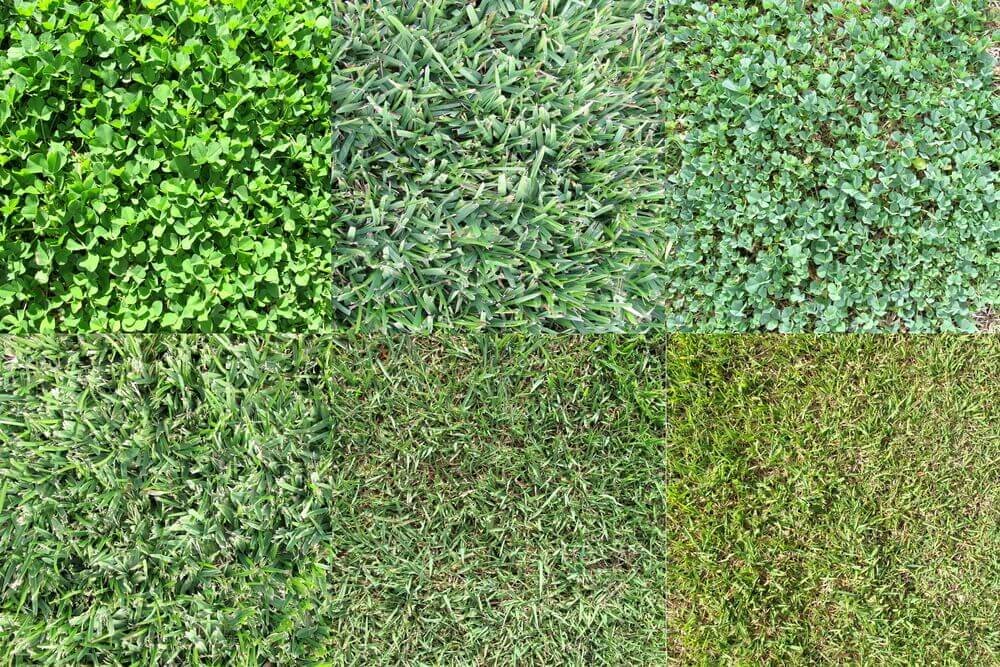
| Cool-season grass | Kentucky bluegrass, tall fescue, fine fescue, perennial ryegrass | Spring and fall | Late summer through fall |
| Warm-season grass | Bermudagrass, zoysiagrass, St. Augustinegrass, centipedegrass, bahiagrass | Late spring through summer | Late spring and summer |
If you are unsure which grass you have, check with a local Cooperative Extension office, a reputable nursery, or a lawn-care professional familiar with your area. Some lawns contain a mix of turf species, especially older lawns and transition-zone properties.
Also remember that your lawn may not follow the calendar exactly. A late freeze, extended rain, drought, summer heat, or unusually warm fall can delay or accelerate normal growth patterns.
January: Protect Dormant Turf and Plan Ahead
January is usually a low-maintenance month for most U.S. lawns. Cool-season grass may remain green in mild southern or coastal areas, while many northern lawns and warm-season lawns are dormant.
- Stay off frozen or frost-covered grass when possible. Foot traffic can break brittle blades and compact wet soil.
- Keep leaves, branches, and heavy debris from sitting on turf for long periods.
- Inspect mower blades, trimmers, spreaders, and irrigation equipment before spring demand begins.
- Review last year’s lawn issues, such as crabgrass, bare spots, grubs, drainage problems, or summer drought stress.
Do not fertilize dormant grass unless local guidance and the product label specifically support it. Winter feeding at the wrong time can encourage weak growth, waste nutrients, or increase the risk of runoff.
February: Prepare for Early Spring
February is still winter in much of the country, but lawns in warmer climates may begin showing signs of growth. This is a good month for preparation rather than aggressive treatment.
Cool-season lawns
In colder areas, avoid raking or aerating saturated soil. If snow mold or matted grass appears after snow melts, let the lawn dry before gently lifting the grass with a light rake. Severe or recurring patches may need closer diagnosis because lawn disease, winter injury, pet damage, and drainage issues can look similar.
Warm-season lawns
Warm-season turf may still be dormant. Remove winter debris and inspect for bare areas, but wait for consistent green-up before applying routine fertilizer. Fertilizing too early can encourage weeds or tender growth before the lawn is ready.
March: Begin Spring Cleanup Carefully
March often marks the start of visible lawn activity, particularly in southern states and milder parts of the transition zone. In northern areas, the lawn may only be thawing.
- Rake up lingering leaves, twigs, and winter debris after the lawn has dried.
- Service mowing equipment and sharpen mower blades before the first regular cut.
- Check sprinkler heads, hoses, drip lines near lawn edges, and outdoor faucets for winter damage.
- Address drainage problems before spring rains make them worse.
Pre-emergent herbicides are often used to prevent annual weeds such as crabgrass, but timing depends on local soil temperatures and the target weed. A pre-emergent can also prevent desirable grass seed from establishing. If you plan to seed a cool-season lawn in spring, do not apply a product that conflicts with seeding unless its label specifically permits that use.
Spring seeding is possible for some cool-season lawns, but fall is usually more reliable because young seedlings face less heat and weed competition. Warm-season grass is generally not seeded until warm weather is established, and many warm-season lawns are better repaired with sod, plugs, or sprigs depending on the species.
April: Resume Mowing and Watch for Weeds
April is a transition month. Cool-season lawns may be actively growing, while warm-season lawns begin to green up in warmer regions. Start mowing when grass is tall enough to trim without scalping.
Follow the “one-third rule”: remove no more than about one-third of the leaf blade in a single mowing. Cutting too much at once stresses the lawn, exposes soil to sunlight, and can help weeds gain ground.

Credit: casinotreeandlandscape.com
Mowing priorities
- Mow often enough to avoid removing excessive growth in one pass.
- Keep mower blades sharp for a clean cut rather than torn leaf tips.
- Leave grass clippings on the lawn when they are not clumped or excessive. They return organic material and nutrients to the soil.
- Use a mowing height appropriate for your grass species, season, shade level, and lawn condition.
Broadleaf weeds may become more visible in April. Spot treatment is often preferable to blanket herbicide applications when weeds are scattered. Identify the weed first, then choose a treatment labeled for that weed and safe for your turfgrass. Always follow the current label, especially around children, pets, edible gardens, ponds, and desirable plants.
May: Build Strong Roots Before Summer Stress
May is often one of the busiest lawn-care months. Cool-season lawns may be lush, while warm-season grasses are entering active growth. The goal is to encourage healthy roots without forcing excessive top growth.
Fertilizer needs vary widely. A soil test is the best way to learn whether your lawn actually needs nutrients and whether the soil pH needs adjustment. Avoid applying fertilizer simply because the calendar says so. Overfertilizing can increase mowing, create weak growth, contribute to thatch, and raise the risk of nutrient movement into waterways.
For warm-season lawns, fertilizer is generally timed after full green-up and active growth has begun. For cool-season lawns, a light spring feeding may be appropriate in some situations, but heavy spring nitrogen applications can make turf more vulnerable to summer stress.
Water deeply enough to encourage roots to grow downward, then allow the soil surface to dry somewhat before watering again. The exact schedule depends on rainfall, soil texture, grass type, sun exposure, and local watering rules. Sandy soil usually dries faster than clay soil, while shaded lawns often need less water than lawns in full sun.
June: Maintain Consistent Summer Practices
June brings rapid growth for many lawns. Regular mowing, thoughtful watering, and early problem detection matter more than adding multiple treatments.
- Raise the mowing height slightly during hot or dry conditions, especially for cool-season turf.
- Water in the morning when possible to reduce evaporation and allow leaf blades to dry.
- Check for uneven sprinkler coverage, runoff, dry corners, and broken irrigation heads.
- Watch for signs of insect activity, disease, heat stress, or dog damage, but do not assume every brown patch has the same cause.
Brown areas may result from dull mower blades, compacted soil, shallow watering, fungal disease, insects, pet urine, poor drainage, chemical injury, or simple heat dormancy. Look for patterns before treating. For example, damage following sprinkler lines may point to irrigation coverage, while circular expanding patches may deserve a closer disease evaluation.
July: Reduce Stress Rather Than Push Growth
July is often the toughest month for cool-season lawns and a high-growth period for many warm-season lawns. Hot temperatures, foot traffic, and inconsistent watering can quickly reveal weak areas.
Cool-season lawn care in July
Cool-season grass may slow down or go partially dormant during extended heat. Do not expect it to look like spring turf. Keep mowing carefully, avoid aggressive dethatching or aeration, and postpone major renovation until late summer or early fall.
If watering is allowed and needed, water to maintain the lawn rather than chasing dark-green growth. A dormant lawn can often recover when cooler weather returns if the crowns and roots remain alive. However, repeated drought stress, pests, and poor soil conditions can reduce recovery.
Warm-season lawn care in July
Warm-season grass may need regular mowing and can be fertilized only if it is healthy, actively growing, and the fertilizer is appropriate for the grass and local conditions. Do not fertilize drought-stressed turf in hopes of fixing heat damage. Correct watering, compaction, soil, or pest problems first.
August: Prepare for Fall Renovation or Late-Summer Heat
August is a turning point in the annual lawn calendar. In northern climates, cool-season lawn renovation often begins toward the end of the month when heat starts to ease. In the South, warm-season lawns may still be growing vigorously.
For cool-season lawns
Late August can be an excellent time to plan aeration, overseeding, and repair of thin areas. Aeration is most useful when soil is compacted, water puddles, roots are shallow, or the lawn receives heavy traffic. It is not a required annual task for every yard.
Choose grass seed suited to your sun exposure, traffic level, and climate. Seed-to-soil contact, consistent moisture during establishment, and proper timing matter more than simply spreading more seed. If herbicides were used earlier, check their labels for seeding restrictions before overseeding.
For warm-season lawns
Continue normal mowing and irrigation as weather requires, but avoid late-season actions that could encourage tender growth just before the first expected frost. Some warm-season grasses can be repaired with plugs or sod while they are still actively growing, provided there is enough warm weather left for roots to establish.
September: The Key Month for Cool-Season Lawns
For many northern and transition-zone homeowners, September is the most important month in a month-by-month lawn care calendar. Cooler nights and warm soil create favorable conditions for cool-season seed germination and root growth.
- Aerate compacted cool-season lawns if conditions are suitable.
- Overseed thin turf or seed bare areas with a grass type appropriate for the site.
- Keep new seed consistently moist until it germinates, then gradually shift toward deeper, less frequent watering as roots develop.
- Resume mowing carefully when new grass is established enough to be cut without pulling seedlings.
- Apply fertilizer only according to a soil test, grass needs, and product instructions.
Fall is also a good time to improve mowing habits. Continue mowing while the grass is growing, but do not scalp the lawn before winter. Grass that enters winter excessively tall can mat under snow, while grass cut extremely short has less leaf area to support root health.
Warm-season lawns begin slowing down as nights cool. Reduce inputs as growth declines, and avoid seeding or fertilizing based solely on a northern lawn schedule.
Credit: electrawnllc.com
October: Support Fall Growth and Manage Leaves
Cool-season turf may be actively growing in October, while warm-season lawns may be nearing dormancy after the first cool spells. Leaf management becomes a major task in many regions.
A thin layer of dry leaves can often be mulched into the lawn with repeated mowing. Thick, wet leaf layers should be removed or chopped finely because they block light, hold moisture, and can smother grass.
Continue fall overseeding early enough for seedlings to establish before hard winter conditions arrive. Exact timing varies substantially by region and elevation. Local Extension guidance is more reliable than a single nationwide date.
October can also be a useful month to correct certain soil issues identified by a soil test. Lime, sulfur, and other amendments should not be applied casually; the needed material and amount depend on soil chemistry and the product label.
November: Finish Cleanup and Winterize the Lawn
November lawn care is mostly about cleanup and avoiding preventable winter problems. In warmer areas, mowing may continue. In colder areas, growth may be nearly finished.
- Remove heavy leaf accumulations, fallen fruit, branches, and other debris.
- Mow as needed until active growth stops, using a sensible height for your grass type.
- Drain and store hoses before freezing weather where necessary.
- Winterize irrigation systems according to the equipment manufacturer’s instructions and local climate needs.
- Mark lawn edges, sprinkler heads, or low landscape features that could be hidden by snow.
A final fertilizer application may be appropriate for some cool-season lawns, but the proper timing and nutrient analysis depend on the grass, soil test, local climate, and local recommendations. Avoid treating “winterizer” as a universal requirement. Product names are marketing terms, not a substitute for understanding what your lawn needs.
December: Keep the Lawn Clear and Avoid Winter Damage
December is generally a maintenance-light month. The best care is often avoiding unnecessary traffic and keeping the turf surface reasonably clear.
Do not pile snow mixed with road salt onto lawn areas if you can avoid it. Salt injury can damage grass and compacted snow can delay spring recovery. Where de-icing is necessary near lawns, use products carefully and follow their labels. Also keep snowblower discharge, plowed snow, and heavy equipment away from young trees, shrubs, and fragile turf edges when practical.
Use the quieter winter period to order seed if fall renovation is planned, schedule soil testing, and make notes about areas that repeatedly struggle. Chronic thin spots often have an underlying cause, such as shade, compacted soil, poor drainage, tree-root competition, or an unsuitable grass species.
Common Mistakes That Make Lawn Calendars Less Effective
A calendar is useful only when it responds to actual lawn conditions. Avoid these common mistakes:
- Using the same plan for every grass type: Cool-season and warm-season lawns have different growth cycles.
- Applying fertilizer on a fixed schedule: Soil needs, weather, and grass growth should guide fertilization.
- Seeding immediately after pre-emergent herbicide use: Many pre-emergents interfere with grass seed establishment.
- Scalping the lawn: Very short mowing weakens turf and gives weeds more sunlight.
- Watering lightly every day: Frequent shallow watering can encourage shallow roots and may increase disease pressure.
- Treating every brown patch with pesticide: Brown grass is a symptom, not a diagnosis.
- Ignoring shade and drainage: Grass that thrives in open sun may fail beneath dense tree cover or in wet soil.
Should You Use a Printable Lawn Care Calendar?
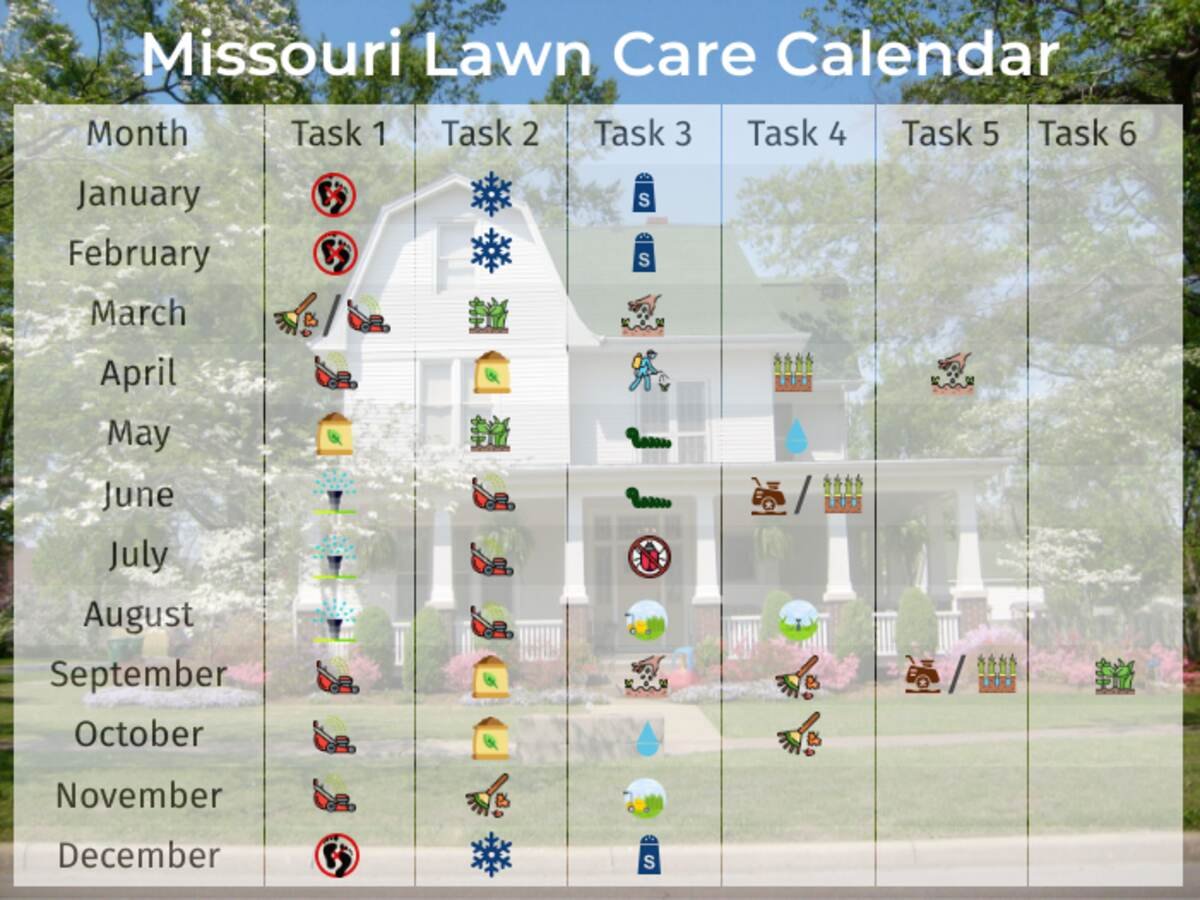
A month by month lawn care calendar PDF can be convenient for tracking seasonal tasks, mowing notes, rainfall, fertilizer applications, and weed issues. The most useful printable version has room to record your grass type, soil-test results, watering restrictions, first and last frost dates, and product application dates.
Be cautious with generic downloadable calendars that tell every homeowner to fertilize, spray, or seed during the same month. They may be helpful as reminders, but they cannot account for your exact climate, lawn species, or local regulations.
You may also see a Scotts month by month lawn care calendar or similar brand-specific schedule. These guides can help explain the order of a company’s products, but product schedules should always be secondary to your lawn’s needs. Check the label for turfgrass compatibility, timing, reseeding limits, watering directions, and precautions for pets, children, pollinators, and nearby plants.
Credit: lawnlove.com
Frequently Asked Questions
What is the best month to start lawn care?
Start when your grass begins active growth and the soil is dry enough to work without compaction. That may be late winter or early spring in warm climates, while northern lawns often begin routine care in spring after snow melt and soggy conditions pass.
How often should a lawn be fertilized each year?
There is no single correct number for every lawn. Fertilizer frequency depends on grass type, soil-test results, local climate, irrigation, mowing practices, and whether the lawn receives clippings. Cool-season lawns often benefit most from fall-focused nutrition, while warm-season lawns are typically fed during active summer growth.
Can I overseed a lawn without aerating first?
Yes. Overseeding can succeed without aeration if seed reaches exposed soil and receives consistent moisture. Aeration is most helpful when soil is compacted, thatch is excessive, or the lawn has heavy foot traffic. Mowing low enough for seed contact and lightly raking bare spots can also improve establishment.
When should I stop watering my lawn in fall?
Reduce watering as temperatures cool, rainfall increases, and grass growth slows, but do not let newly seeded turf dry out. Established lawns still need moisture when fall weather is dry. Stop routine irrigation only when seasonal rain, dormancy, or freezing conditions make it unnecessary.
Is it better to bag grass clippings or leave them on the lawn?
Leave clippings when they are short, dry, and spread evenly. They break down quickly and return nutrients to the soil. Bag or collect clippings only when they are heavy enough to smother grass, form clumps, or need to be removed for a specific lawn-care reason.