
Knowing how to mow lawn correctly is one of the simplest ways to improve its color, thickness, and ability to handle weeds, heat, and foot traffic. Mowing is not just about keeping grass short. Each cut affects how much leaf tissue the plant has available to make energy and grow healthy roots.
The right mowing routine depends on your grass type, season, weather, lawn condition, and mower. Still, a few principles apply to nearly every U.S. lawn: mow at the proper height, remove only a small portion of the blade at once, use a sharp mower blade, and avoid cutting stressed or wet grass.
This guide explains how to mow a lawn correctly from setup through cleanup, including mowing patterns, height choices, common mistakes, and adjustments for cool-season and warm-season turf.
Start With the Right Mowing Height
Mowing height is the distance between the soil surface and the top of the grass after cutting. It is one of the most important decisions you make because cutting too low can weaken the lawn, while cutting too high for the grass type can reduce density and make the turf look untidy.
Taller grass generally develops deeper roots, shades the soil, and helps conserve moisture. It also makes it harder for many weed seeds to receive the light they need to germinate. However, each turfgrass species has a practical height range, so “taller is always better” is not a universal rule.
| Grass Type | Typical Home-Lawn Mowing Height | General Notes |
|---|---|---|
| Kentucky bluegrass | About 2.5 to 4 inches | Often kept taller during summer heat or dry weather. |
| Tall fescue | About 3 to 4 inches | Usually performs best when maintained relatively tall. |
| Perennial ryegrass | About 2.5 to 4 inches | Adjust upward during warm, dry periods. |
| Fine fescue | About 2.5 to 4 inches | May need less frequent mowing, especially in partial shade. |
| Bermudagrass | About 1 to 2 inches | Can be cut lower with a reel mower; mowing height depends on cultivar and mower type. |
| Zoysiagrass | About 1 to 2.5 inches | Dense growth may require frequent mowing during active growth. |
| Centipedegrass | About 1.5 to 2.5 inches | Avoid scalping, which can be especially stressful for this grass. |
| St. Augustinegrass | About 2.5 to 4 inches | Usually needs a higher cut than other warm-season grasses. |
These are broad home-lawn ranges, not strict rules for every yard. Grass cultivar, shade, soil, local weather, and the recommendations from your local Cooperative Extension can affect the best setting. If you are unsure which grass you have, avoid cutting it very short until you identify it.
Follow the One-Third Rule
The most reliable rule for how to mow lawn correctly is to remove no more than one-third of the grass blade in a single mowing. For example, if you want a finished height of 3 inches, mow when the lawn reaches about 4.5 inches.
Removing too much at once is called scalping. It exposes more soil, reduces the plant’s energy-producing leaf area, and can leave grass vulnerable to heat, drought, weeds, and disease. Scalped turf may turn yellow, brown, or thin after mowing, especially when temperatures are high.
If the lawn became too tall because of rain, travel, or rapid spring growth, do not solve the problem with one extremely low cut. Raise the mower deck, take off only one-third of the height, then mow again several days later if the grass is actively growing and not under stress.
Use grass growth, not the calendar
A lawn may need mowing every few days during a wet spring growth surge and only every week or two during slower growth. A fixed “mow every Saturday” schedule often leads to cutting too much at one time.
Check the lawn before deciding to mow. When it has grown roughly one-third taller than your preferred cutting height, it is generally time to mow. Growth rate changes with rainfall, irrigation, fertility, temperature, sunlight, and grass species.
Choose and Prepare the Mower
A properly adjusted mower produces a cleaner, healthier cut and makes the work easier. Rotary mowers are common for most home lawns, while reel mowers can provide a very precise cut on short, level turf. The best mower depends on lawn size, terrain, grass type, storage space, and your preferred power source.
Set the deck correctly
Set the mower height on a flat, hard surface such as a driveway. On many walk-behind mowers, the cutting height is controlled by levers near the wheels. Make sure all wheels are set evenly unless the manufacturer specifically instructs otherwise.
Remember that the height setting label may not perfectly match the finished grass height. Uneven ground, tire pressure, mower design, and thick turf can all affect the cut. After mowing a small area, inspect the results and adjust if needed.
Inspect the blade before mowing
A sharp mower blade cuts grass cleanly. A dull blade tears it, leaving ragged tips that can make the lawn look grayish or brown a day or two later. Torn grass also loses moisture more quickly and may be more prone to disease under favorable conditions.
- Look for bent, cracked, heavily nicked, or badly worn blades.
- Clean accumulated grass from the mower deck when the machine is safely powered down.
- Sharpen or replace blades when cuts look frayed rather than clean.
- Have a damaged blade or mower with excessive vibration serviced rather than continuing to use it.
Before cleaning, inspecting, unclogging, or servicing a mower, shut it off. Disconnect the spark plug wire on a gas mower or remove the battery from a battery-powered mower as appropriate. Allow hot engine parts to cool, and follow the manufacturer’s instructions. Never reach under a mower deck while the blade could move.
Check fuel, battery, and lawn conditions
For gas mowers, use the fuel and oil specified in the owner’s manual. For battery mowers, begin with a properly charged battery and plan around the machine’s expected runtime. Corded electric mowers require an outdoor-rated extension cord suitable for the mower’s electrical requirements.
Walk the lawn before starting. Remove sticks, toys, hoses, rocks, wire, pet items, and other debris. Even small objects can become dangerous projectiles when hit by a mower blade.
Mow Only When the Grass Is Dry Enough
Dry grass is easier to cut evenly and less likely to form clumps under the mower deck. Wet clippings can block discharge chutes, stick to the deck, create ruts from mower wheels, and leave uneven strips of uncut grass.
Wait until morning dew has dried when possible. Also delay mowing after rainfall or irrigation until the soil is firm enough that wheels do not leave tracks or sink into the turf. Mowing saturated soil can compact it and damage grass roots.
Heat and drought deserve caution as well. If grass is wilting, blue-gray, folded, or visibly stressed from dry conditions, postpone mowing if practical. If mowing cannot wait, raise the cutting height, mow during the cooler part of the day, and avoid removing more than one-third of the blade.
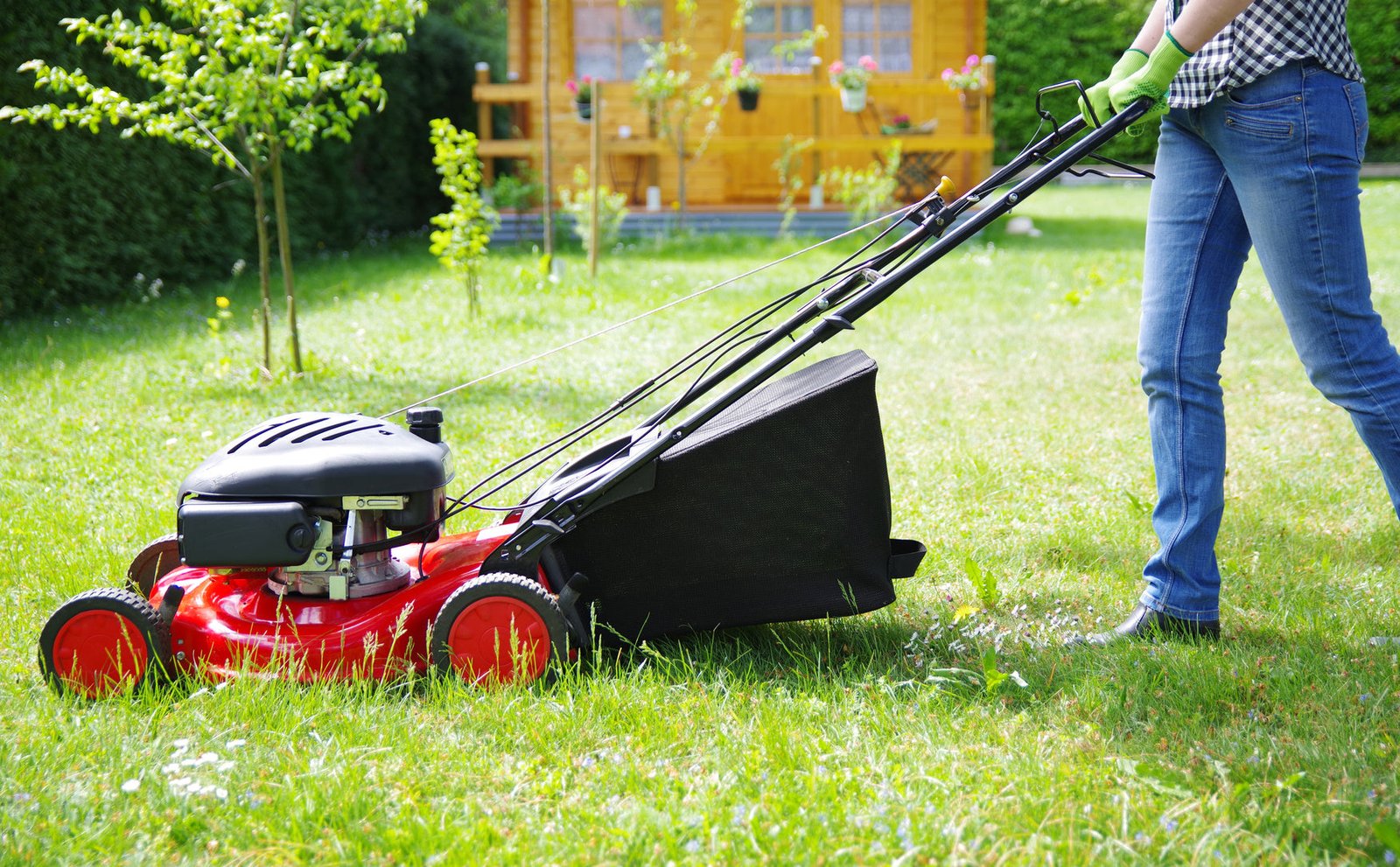
Credit: us.mammotion.com
Use a Consistent Mowing Pattern
Good mowing technique creates an even appearance without repeatedly compacting the same wheel tracks. Begin by mowing one or two perimeter passes if your lawn layout makes that useful. This gives you room to turn and helps reduce missed edges.
Then mow straight passes across the lawn, overlapping each pass slightly. A small overlap prevents thin strips of uncut grass between wheel tracks. Do not overlap so much that you waste time or repeatedly drive over the same areas.
Change direction every time
Alternate your mowing direction from one session to the next. If you mow north to south one week, mow east to west or diagonally the next time. This helps prevent grass from leaning permanently in one direction and reduces repeated compaction patterns.
Changing direction is particularly helpful for lawns with visible wheel lines, uneven growth, or a striped appearance that has become patchy. It also gives you a better chance to catch missed areas from a previous mowing direction.
Handle slopes carefully
Slopes require more attention than flat lawns. With a walk-behind mower, mow across the slope when you can do so safely and maintain stable footing. Avoid rushing on wet or loose ground.
For riding mowers, follow the manufacturer’s slope limitations and operating directions. The risk of tipping can be serious. If a hill feels unstable, is too steep, has obstacles, or requires awkward turns, use a safer tool or hire a qualified lawn service.
Mulch, Bag, or Discharge Clippings?
Grass clippings are not automatically thatch. Thatch is a dense layer of slowly decomposing stems, roots, and other organic material at the soil surface. Normal short clippings usually break down quickly and can return nutrients to the lawn.
Mulching is often a practical choice when the lawn is dry and you are following the one-third rule. A mulching mower chops clippings into smaller pieces that settle between grass blades. This can reduce yard waste and return some nitrogen and organic matter to the soil.
Bag clippings when they are unusually long, wet, diseased, or heavily loaded with mature weed seed heads. Bagging can also be useful if clumps are smothering the turf after a delayed mowing. Do not leave thick piles of clippings on the lawn; spread them out with a rake or mow over them again once conditions are dry.
- Mulch: Best for routine mowing with short, dry clippings.
- Bag: Helpful for excessive clumps, long growth, some disease situations, or visible weed seed heads.
- Side discharge: Useful for taller grass when a mulching mower is clogging, provided clippings are not left in thick rows.

Credit: reddit.com
Adjust Your Routine for the Season
Grass does not grow at the same speed all year. Seasonal mowing decisions should follow the lawn’s growth and stress level rather than a single national calendar.
Spring mowing
In spring, begin mowing when the grass is actively growing and the ground is firm enough to support the mower. Avoid dropping the mower deck to its lowest setting just because the lawn looks messy after winter. A sudden close cut can stress emerging turf and expose bare soil to weeds.
Cool-season grasses such as Kentucky bluegrass, fescue, and perennial ryegrass often grow quickly during spring. They may need frequent mowing to maintain the one-third rule. Warm-season grasses generally begin their strongest growth after temperatures rise and the turf has greened up.
Summer mowing
During hot, dry weather, raise the mower height within the appropriate range for your grass type. More leaf area helps shade the soil and reduces moisture loss. Mow only when the grass needs it, not simply because it is the usual mowing day.
Do not use mowing to compensate for poor watering practices. When irrigation is needed, most established lawns benefit more from watering deeply enough to reach the root zone than from frequent light sprinkling. Actual needs depend on rainfall, soil type, grass species, slope, and local watering restrictions.
Fall mowing
Cool-season lawns often resume active growth as temperatures become milder in fall. Continue mowing at the normal recommended height as long as the grass is growing. Do not scalp the lawn before winter; it can reduce plant vigor and expose soil.
Leaf drop may require more frequent mowing or mulching. Light, dry leaves can often be chopped into small pieces with the mower, but a thick leaf layer should be removed so it does not block light and trap moisture against the grass.
Winter mowing
In areas where turf goes dormant, mowing may stop for weeks or months. Do not mow dormant grass merely to make it look shorter. In mild climates, some lawns continue growing slowly and may need occasional mowing when conditions are dry and the one-third rule indicates it is needed.
Finish the Job Without Damaging the Lawn
After mowing, inspect the lawn for clumps, missed strips, and scalped spots. Correcting a few clumps right away is easier than allowing them to mat down and shade the grass beneath.
Use a string trimmer carefully around fences, trees, beds, and hardscape edges. Trimmer damage around the base of young trees can injure bark and interfere with water and nutrient movement. Keep mulch around trees and shrubs instead of trimming grass tightly against trunks.
Blow or sweep clippings off sidewalks, driveways, and streets. Keeping debris out of storm drains is a sensible cleanup practice, especially if clippings could wash into local waterways.
Common Lawn Mowing Mistakes to Avoid
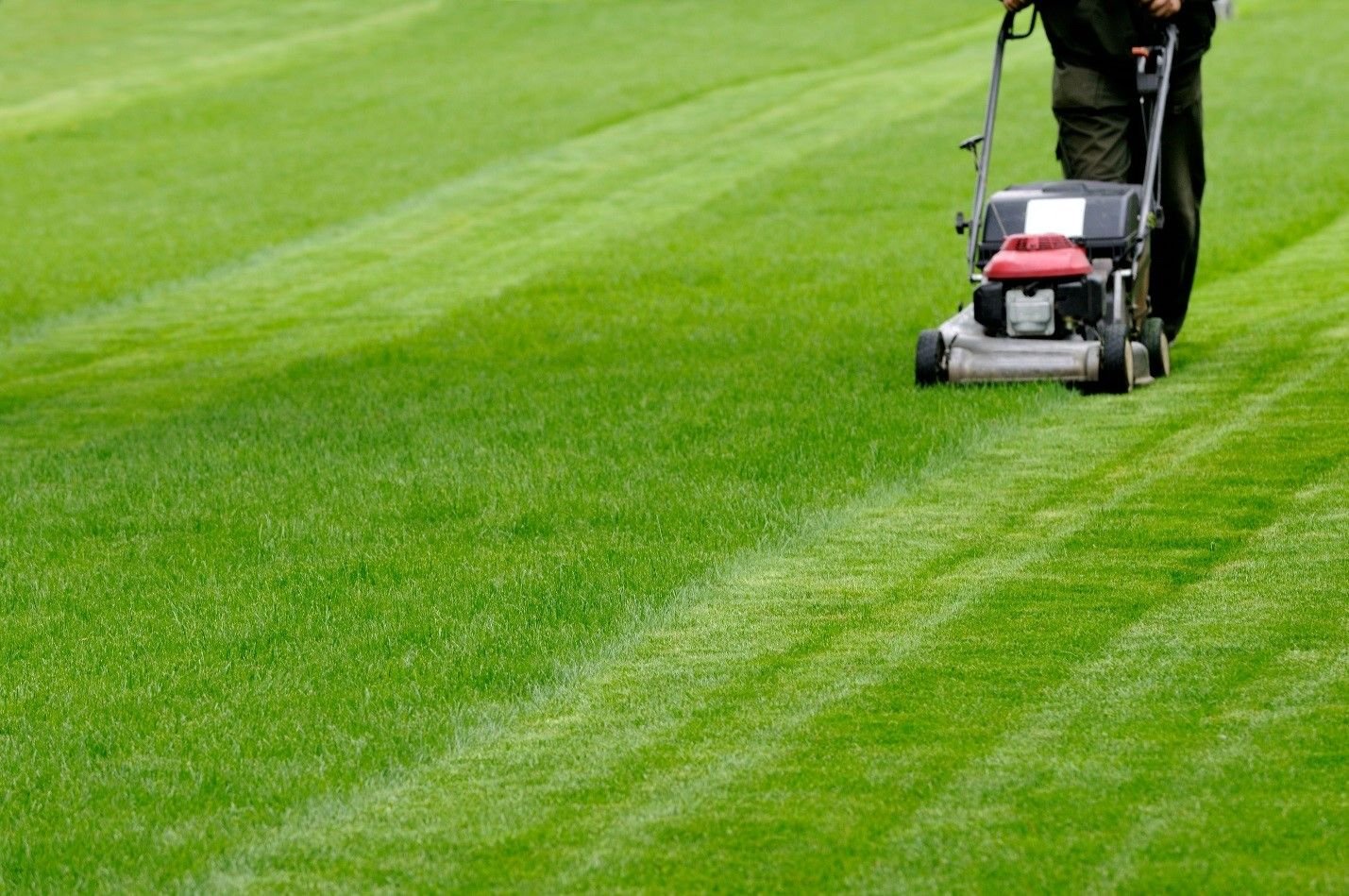
Credit: us.mammotion.com
Cutting grass too short
Scalping is the most common mowing mistake. It weakens the lawn, encourages weeds, and can expose crowns and soil to damaging heat. Maintain the correct height for your grass instead of trying to extend the time between mowings with a very short cut.
Mowing with a dull blade
Dull blades tear rather than slice. If grass tips look shredded after cutting, inspect the blade and have it sharpened or replaced as needed.
Ignoring uneven ground
Low spots, bumps, exposed roots, and steep transitions can lead to scalping or mower damage. Slow down in rough areas and raise the deck if necessary. Persistent unevenness may call for leveling, soil repair, or professional assessment rather than increasingly short mowing.
Taking shortcuts around obstacles
Do not mow over hidden debris, irrigation heads, tree roots, landscape edging, or hoses. Mark low sprinkler heads and other hard-to-see obstacles before mowing. Repairing a damaged mower blade, irrigation component, or window is far more inconvenient than a quick lawn inspection.
Mowing in the same direction every week
Repeated travel patterns can compact narrow tracks and cause grass to bend in one direction. Rotate your mowing pattern regularly for a more even cut.
FAQ
Should I water the lawn before mowing?
Usually no. Mowing dry grass produces a cleaner cut and reduces clumping. If the lawn is dry enough to show drought stress, it is generally better to address watering needs and wait for the grass to recover before mowing, rather than mowing immediately after irrigation.
What should I do if my mower leaves strips of uncut grass?
Check for a dull or damaged blade, clogged deck, incorrect deck height, slow blade speed, or insufficient overlap between passes. Wet or overly tall grass can also cause missed strips. Clean and inspect the mower safely before making adjustments.
Is it okay to mow newly seeded grass?
Yes, but wait until seedlings are well rooted and tall enough to be cut without pulling from the soil. Use a sharp blade, mow when the surface is dry, and remove only a small amount of growth. Avoid heavy equipment or sharp turns on young turf.
Can I mow after applying lawn fertilizer or weed control?
It depends on the product label. Some products include directions about mowing before or after application because mowing can affect how the treatment works. Follow the current label exactly, especially for herbicides, and keep children, pets, pollinators, and desirable plants in mind.
Why does my lawn look brown right after mowing?
A brown cast after mowing may come from dull blades, cutting too low, dry conditions, disease, or grass stems becoming visible after a close cut. Check the blade first, confirm the mowing height, and look for other symptoms before assuming one cause is responsible.