
Raised bed gardening gives you more control over the conditions that shape plant health: soil texture, drainage, fertility, spacing, and weed pressure. When those basics are handled well, vegetables, herbs, and flowers can establish faster and produce more reliably than they might in compacted or poorly drained native soil.
The best raised bed gardening tips are not complicated, but they do require attention throughout the season. A productive bed starts with the right location and soil, then depends on smart planting, steady moisture, regular harvesting, and quick responses to pests or nutrient problems.
Use these practical steps to build and manage raised beds that support healthier roots, stronger plants, and bigger harvests without wasting space, water, or effort.
Related reading: vegetable gardening for beginners and tillers and cultivators for soil preparation.
Choose a Site With Enough Sun and Easy Access
Most fruiting vegetables need at least six to eight hours of direct sun per day. Tomatoes, peppers, squash, cucumbers, beans, and eggplant generally produce better with more sun, while lettuce, spinach, kale, cilantro, and other leafy crops can tolerate partial shade, especially in hot summer climates.
Watch the proposed bed location for a full day before building. Trees, fences, houses, and neighboring structures can create shade patterns that change with the season. A spot that looks sunny in early spring may receive much less light once nearby trees leaf out.
- Place taller crops on the north side of the bed when possible so they do not shade shorter plants.
- Choose a location close to a water source. Raised beds dry faster than in-ground gardens, and a distant hose discourages consistent watering.
- Leave enough room to walk, carry tools, and harvest without stepping in the bed.
- Avoid low spots where water collects after rain, even though a properly built raised bed improves drainage.
- Keep beds away from areas with likely soil contamination, such as old painted structures or heavily used driveways, unless you use a barrier and imported growing mix.
For most home gardens, a bed no wider than 4 feet allows you to reach the center from either side without compacting the soil. If the bed is accessible from only one side, 2 to 3 feet wide is usually more practical. Length is flexible, but long beds should still allow easy access to the middle.
Build Beds for Roots, Not Just for Appearance
Raised bed frames can be made from several durable materials, including untreated rot-resistant wood, composite boards, stone, concrete blocks, or metal kits designed for garden use. The material matters less than the finished bed’s stability, drainage, and safe construction. Avoid using wood treated with unknown chemicals, old railroad ties, or salvaged materials that may contain contaminants.
A soil depth of 8 to 12 inches works for many annual vegetables and herbs when the native soil below is loose enough for roots to continue downward. Beds around 12 to 18 inches deep are useful where the existing soil is compacted, rocky, poorly drained, or unsuitable for growing food. Deep-rooted crops such as carrots, parsnips, and some tomatoes benefit from loose soil beneath the raised layer as well.
Do Not Put a Solid Bottom Under Most Beds
Open-bottom raised beds generally perform best because excess water can move downward and plant roots can explore the soil below. A solid base can trap water and create root problems unless the planter has deliberately designed drainage holes and is treated as a container.
If weeds are a concern, lay plain cardboard over the existing vegetation before filling the bed. Remove tape, labels, and glossy coatings first. The cardboard suppresses grass and many annual weeds while gradually breaking down. Avoid landscape fabric directly under an open bed if it could restrict roots or interfere with drainage over time.
Fill Raised Beds With a Soil Mix That Holds Moisture and Drains Well
Healthy soil is the foundation of every successful raised bed. The goal is a loose, crumbly growing medium that retains enough water for roots while still allowing air to move through it. Heavy clay can stay too wet and compact easily. A mix made mostly of lightweight organic matter may drain too fast and become difficult to keep evenly moist.
For a new bed, use a high-quality garden soil or raised-bed mix blended with finished compost. The exact ingredients vary by supplier and local soil conditions, so there is no single perfect recipe. What matters is avoiding extremes: do not fill a vegetable bed entirely with compost, straight topsoil, or bagged potting mix intended only for containers.
Use Compost as an Amendment, Not the Whole Bed
Finished compost improves soil structure, supports beneficial soil organisms, and provides a modest nutrient supply. However, compost can vary widely in nutrient content and salts. A bed filled with pure compost may settle significantly, hold too much moisture in some situations, or contain more nutrients than young plants need.
Each season, spread a thin layer of finished compost over the bed surface and gently work it into the top few inches when practical. This replaces organic matter lost through decomposition and helps maintain soil texture. If plants repeatedly struggle despite reasonable care, a soil test is more useful than adding fertilizer at random. Your local Cooperative Extension office can often provide testing guidance and help interpret results.
Protect Soil Structure
One of the main advantages of raised beds is that gardeners do not need to walk on the growing soil. Foot traffic squeezes air out of soil pores, reduces drainage, and makes it harder for roots to spread. Reach into the bed from paths instead of stepping inside it.
At the beginning of the season, loosen only the areas that need it with a hand fork or garden fork. Deep, repeated tilling can damage soil structure and disturb helpful organisms. If soil has settled, add more growing mix and compost rather than aggressively turning the entire bed.
Plant at the Right Time for Your Climate
Raised beds warm up somewhat faster than surrounding ground in spring, but that does not make warm-season crops immune to frost or cold soil. Tomatoes, peppers, basil, cucumbers, beans, and squash should be planted after local frost danger has passed and conditions are warm enough for active growth. Planting them too early often delays them rather than creating an earlier harvest.
Cool-season vegetables such as lettuce, peas, broccoli, cabbage, radishes, spinach, carrots, and many greens can usually be planted earlier. In regions with mild winters, gardeners may grow these crops mainly in fall, winter, and early spring. In colder regions, spring and late summer planting windows are often more productive.
Use your local frost dates as a starting point, then adjust for the weather, soil temperature, and the needs of the crop. Hardiness zone is helpful for perennial plants, but it does not fully determine when annual vegetables should be planted.
.jpg)
Harden Off Indoor-Grown Seedlings
Seedlings started indoors need a gradual transition before they live outside full time. Over about a week, expose them to increasing amounts of outdoor light, wind, and temperature variation. Start in a protected, shaded spot, then slowly increase sun exposure.
Skipping this process can lead to sunscald, wilting, torn leaves, or stalled growth. Even healthy transplants can struggle if they move from indoor conditions directly into strong sun and wind.
Space Plants for Airflow, Light, and Root Room
Raised beds invite intensive planting because every square foot is valuable. Closer spacing can increase yields, but crowding plants too tightly often causes more disease, smaller fruit, and uneven growth. Each plant still needs enough room for leaves to capture sunlight, roots to access water, and air to move through the canopy.
| Crop type | Useful spacing approach | Key consideration |
|---|---|---|
| Leafy greens | Grow closely for baby leaves; thin more widely for full heads | Succession sowing keeps harvests coming |
| Root crops | Follow seed packet spacing and thin seedlings early | Overcrowding produces small or misshapen roots |
| Tomatoes and peppers | Give each mature plant generous room | Good airflow helps foliage dry after rain or irrigation |
| Beans and peas | Use a trellis for climbing varieties | Vertical growth saves bed space |
| Squash and cucumbers | Train vines upward or direct them out of the bed | Large leaves can overwhelm smaller neighbors |
Read the mature size on seed packets or plant labels instead of relying on how small a transplant looks at planting time. A tiny zucchini seedling can eventually shade half a bed, while indeterminate tomatoes can become large, sprawling plants if not supported and pruned appropriately.
Use Vertical Space Carefully
Trellises, cages, and supports improve access and can keep fruit cleaner and foliage off damp soil. Install supports at planting time rather than trying to force them into a bed after roots have expanded. Position sturdy structures so they will not shade sun-loving crops behind them.
Climbing beans, peas, cucumbers, and small-fruited vining squash varieties are common candidates for trellising. Choose a support strong enough for the mature crop, especially in windy areas. Check ties regularly so stems are supported without being pinched.
Water Deeply and Keep Moisture Consistent
Raised beds usually drain well, which is helpful during wet weather but means they can dry out quickly during heat, wind, and periods without rain. Inconsistent watering is a common cause of poor growth, bitter greens, split tomatoes, and uneven root development.
Water when the root zone needs it, not simply because a calendar says it is watering day. Check moisture a few inches below the surface with a finger, trowel, or moisture probe. The surface may look dry while soil lower in the bed remains adequately moist, especially under mulch.
- Water slowly enough for moisture to soak into the root zone instead of running off the surface.
- Water near the base of plants when possible to keep foliage drier.
- Adjust for heat, rainfall, plant size, soil texture, and the growth stage of the crop.
- Pay extra attention to newly planted seeds and transplants, which have shallow root systems.
- Check beds more often during hot, windy weather and when plants are actively producing fruit.
Drip irrigation and soaker-style systems can make watering more even and efficient, especially in multiple beds. Inspect them periodically for leaks, clogged emitters, damaged tubing, and uneven coverage. Follow local watering restrictions where they apply.
Mulch the Soil Surface
A layer of organic mulch helps stabilize soil moisture, moderates temperature swings, reduces splashing soil onto leaves, and limits many weeds. Straw free of weed seed, shredded leaves, untreated grass clippings applied in thin layers, and clean compost can all work in vegetable beds.
Keep mulch slightly away from plant stems. Piling wet material against stems can encourage rot and create hiding places for slugs or other pests. For direct-seeded crops, wait until seedlings are established before applying a thick mulch layer so tiny plants are not buried or shaded.
Mulch is especially valuable around tomatoes, peppers, cucumbers, beans, and other crops that stay in the bed for much of the season. It can also make watering more forgiving during summer heat.
Feed Plants Based on Crop Needs and Soil Conditions
Fertility in raised beds changes over time because plants remove nutrients and organic matter breaks down. Fast-growing vegetables, heavy fruiting crops, and closely planted beds may need supplemental fertilizer, but more fertilizer is not automatically better.
Too much nitrogen can produce lush leaves with fewer flowers or fruits, particularly on tomatoes and peppers. Excess fertilizer can also damage roots, contribute to nutrient runoff, and create imbalances in the soil. Choose a product suitable for edible gardens and follow its current label exactly for application timing, amount, and safety instructions.
Recognize That Yellow Leaves Have More Than One Cause
Yellowing leaves can be associated with nutrient shortages, but they can also result from overwatering, underwatering, compacted soil, cool temperatures, root disease, insect damage, or normal aging of older leaves. Before applying fertilizer, look at the whole plant and recent weather conditions.
If new growth is stunted, several crops perform poorly, or you have repeatedly added amendments without improvement, a soil test can reveal whether pH or nutrient levels are actually part of the problem. This helps prevent unnecessary treatments.
Prevent Problems Before Reaching for Sprays
Healthy raised beds are not pest-free, but plants under less stress are often better able to recover from minor damage. Prevention starts with good spacing, clean tools, appropriate watering, and regular observation. Check plants at least once or twice a week, including leaf undersides, growing tips, stems, and developing fruit.
Early action is usually easier than trying to solve a severe outbreak later. Hand-pick visible pests when appropriate, remove badly diseased leaves, and pull weeds before they set seed. Avoid working among plants when foliage is wet if disease may be present, since moisture can help spread some pathogens.
Use Crop Rotation When Space Allows
Do not grow the same plant family in the exact same section of a bed year after year when you can avoid it. Rotation is most useful for reducing the buildup of certain soilborne diseases and pests. For example, rotate tomatoes, peppers, potatoes, and eggplant with unrelated crops such as beans, greens, or onions.
Small gardens cannot always follow a perfect rotation plan, so focus on practical improvements: remove diseased plant debris, replenish soil with compost, avoid planting susceptible crops repeatedly in a problem area, and choose resistant varieties when available.
Be Careful With Pest and Disease Treatments
Identify the likely problem before treating. Chewed leaves, spots, wilting, and poor growth are symptoms, not complete diagnoses. The same symptom can have several causes, and a pesticide will not solve poor drainage, heat stress, or a nutrient imbalance.
If a pesticide, fungicide, or herbicide is needed, select a product labeled for the specific plant and problem, then follow the current label. Take extra care around edible crops, pollinators, pets, children, and nearby water. Never use lawn weed killers or unapproved products in a vegetable bed.
Harvest Often and Replant Open Spaces
Regular harvesting is one of the simplest raised bed gardening tips for bigger yields. Many crops respond to picking by continuing to produce. Beans become tougher if pods are left too long, zucchini can become oversized quickly, and ripe tomatoes may split or attract pests if they remain on the plant.
Harvest leafy greens from the outer leaves or cut baby greens above the growing point when the variety allows. Pick herbs frequently, but avoid removing more foliage than the plant can comfortably replace. Use clean scissors or pruners for crops with tough stems to avoid tearing plants.
As soon as one crop finishes, use the space again if the season permits. Radishes, lettuce, arugula, bush beans, carrots, and herbs can fit into short gaps between larger crops or follow early-season plantings. Remove spent plants and their roots if they were diseased; otherwise, healthy fine roots can often be left to break down in the soil.
Keep Raised Beds Productive From Season to Season
At the end of a growing season, remove weeds and unhealthy plant debris, repair damaged bed edges or trellises, and top up settled soil. Avoid leaving bare soil exposed all winter when possible. A cover crop, mulch, or temporary planting of cool-season vegetables can protect the surface from erosion and reduce weed growth.
In cold climates, empty beds do not need to be stripped clean or repeatedly turned over. A light mulch can protect soil from heavy rain and freeze-thaw cycles. In warmer areas, planning fall and winter crops may keep beds producing for much of the year.
Keep simple notes on what you planted, when you planted it, what performed well, and which problems appeared. Local weather varies from year to year, but your own garden records make it easier to refine planting dates, spacing, varieties, and watering practices.
Frequently Asked Questions
How high should a raised garden bed be?
For many vegetables, 8 to 12 inches of soil depth is workable when the ground beneath is loose and drains well. Choose a deeper bed when native soil is compacted, rocky, contaminated, or difficult for roots to penetrate. Taller beds can also reduce bending, but they require more soil to fill and may dry more quickly around the edges.
Can I use bagged potting mix in a raised bed?
Potting mix is designed mainly for containers and may be too lightweight or expensive for filling an entire raised bed. It can be useful as part of a blend, particularly in small elevated planters, but a quality raised-bed or garden soil mix amended with finished compost is usually a better choice for open-bottom beds.
What can I grow in a raised bed with partial sun?
Leafy greens, radishes, peas, many herbs, and some brassicas can produce with less sun than tomatoes or peppers. In hot regions, afternoon shade can help lettuce and spinach last longer before bolting. Fruiting vegetables generally need the brightest section of the yard for dependable production.
Why does soil level in a raised bed drop over time?
Soil settles naturally as air spaces close and organic materials decompose. This is especially noticeable in new beds filled with compost-rich blends. Add garden soil and finished compost as needed rather than filling the bed with fresh compost alone.
Can raised beds be used for perennial plants?
Yes, but plan for the plant’s mature size and long-term needs. Perennial herbs, strawberries, asparagus, flowering perennials, and compact shrubs may work well in suitable beds. Choose plants hardy for your local climate, provide enough root space, and remember that raised soil can experience greater temperature swings than ground-level soil.
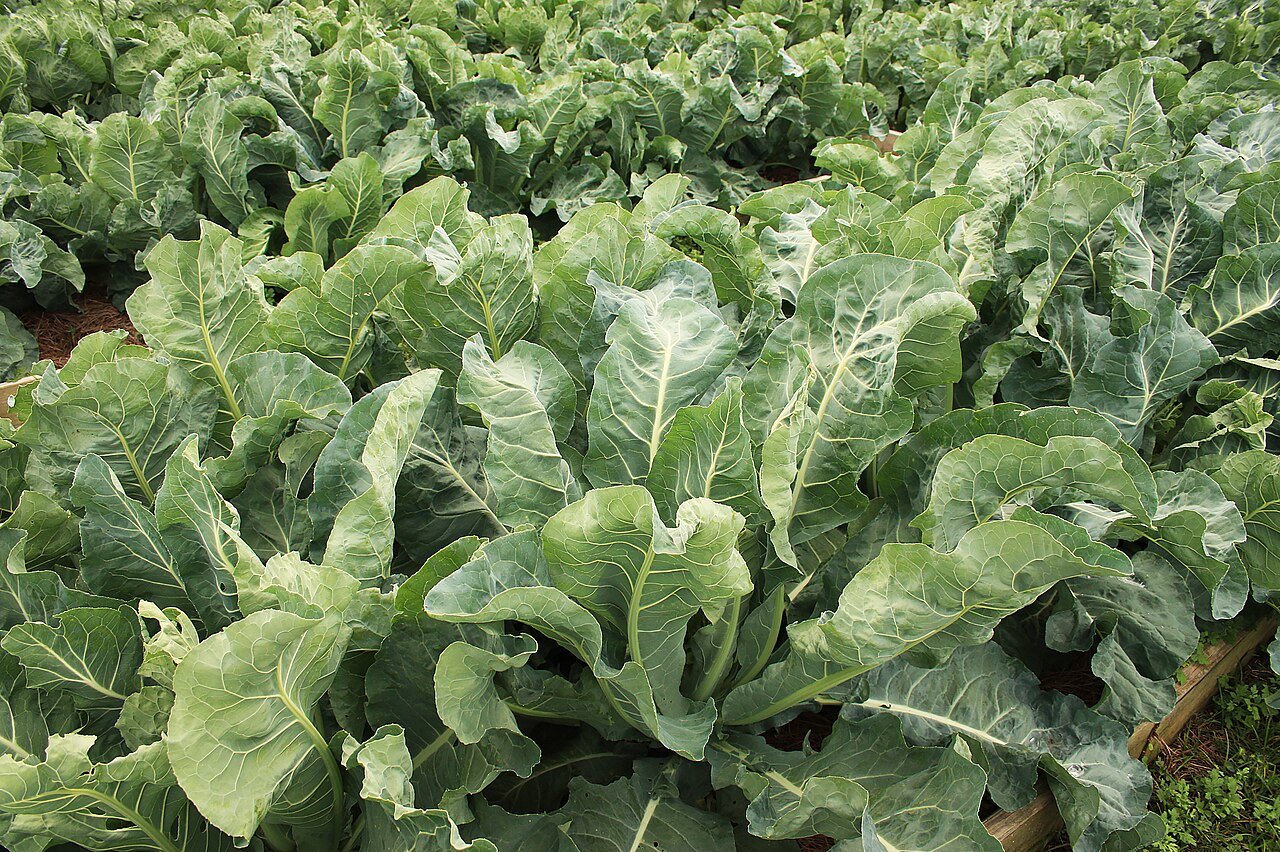
Featured photo: AcornToOak / Wikimedia Commons (CC BY-SA 4.0; resized and locally hosted).
