
Learning how to grow an herb garden is one of the simplest ways to bring fresh flavor, fragrance, and greenery into your home. Most culinary herbs grow quickly, take little space, and can thrive in containers, raised beds, or a small sunny patch of yard.
The key is matching each herb to the right amount of sun, water, soil drainage, and room to grow. Start with a few herbs you use often, such as basil, parsley, chives, thyme, or mint, rather than trying to grow every option at once.
This beginner’s guide explains how to choose a location, plant herbs successfully, care for them through the season, and harvest enough to keep plants productive.
Related reading: starting a small vegetable garden and planning limited garden space.
Choose the Right Place for Your Herb Garden
Most popular kitchen herbs need plenty of light. A garden bed that receives at least six hours of direct sun daily is ideal for sun-loving herbs such as basil, rosemary, oregano, thyme, sage, and lavender. Morning sun is especially helpful because it dries dew from leaves and can reduce disease pressure.
If your yard has only partial sun, you can still grow useful herbs. Parsley, cilantro, chives, mint, lemon balm, and some leafy herbs can tolerate less direct light, especially in hot summer climates. They may grow more slowly, but a spot with morning sun and afternoon shade can be better than intense all-day heat in very warm regions.
Growing herbs in the ground
An in-ground herb garden works well if you have a sunny area with soil that drains freely. Avoid low spots where rainwater collects. Most Mediterranean herbs, including rosemary, thyme, oregano, and sage, are more likely to struggle in soggy soil than in slightly dry soil.
Before planting, remove weeds and loosen compacted soil. Mixing in finished compost can improve soil structure and help sandy soil hold moisture. However, do not over-amend every planting hole with rich material. Extremely fertile soil can encourage leafy but less flavorful growth in some herbs, and it can be especially unsuitable for herbs that prefer lean, well-drained conditions.
Growing herbs in containers
Containers are an excellent choice for beginners because they make it easier to control soil, drainage, and plant placement. You can keep a pot close to the kitchen door, move tender herbs indoors before frost, or shift plants out of harsh afternoon sun during heat waves.
Every container needs drainage holes. A decorative pot without holes can trap water around roots and quickly kill herbs. Use a quality container potting mix rather than heavy garden soil, which becomes dense in pots and drains poorly.
- Choose pots large enough for mature roots, not just the small nursery plant.
- Use separate containers for herbs with very different watering needs.
- Place saucers under indoor pots, but empty standing water after watering.
- Remember that dark containers and small pots dry out faster in hot, sunny weather.
Start With Easy Herbs You Will Actually Use
The best beginner herb garden is practical. Choose plants based on what you cook, your available sunlight, and whether you prefer annual herbs that complete their life cycle in one season or perennial herbs that may return for several years.
| Herb | Best Light | Growth Habit | Beginner Notes |
|---|---|---|---|
| Basil | Full sun | Warm-season annual | Fast-growing and productive; dislikes cold weather and frost. |
| Parsley | Full sun to partial sun | Usually grown as an annual | Useful for frequent harvests; seeds can be slow to germinate. |
| Chives | Full sun to partial sun | Perennial in many climates | Compact, dependable, and suitable for pots or beds. |
| Thyme | Full sun | Perennial in suitable climates | Needs excellent drainage and does not like constantly wet soil. |
| Oregano | Full sun | Perennial in many regions | Vigorous once established; give it room or grow it in a pot. |
| Cilantro | Sun to partial sun | Cool-season annual | Often bolts quickly in heat; sow new seeds every few weeks in cool weather. |
| Mint | Sun to partial sun | Perennial | Very vigorous; grow in a container to prevent spreading. |
| Rosemary | Full sun | Tender or hardy perennial, depending on climate and cultivar | Requires sharp drainage and may need winter protection in cold areas. |
Annual herbs such as basil and cilantro typically need to be replanted from seed or transplants each year. Perennial herbs can survive winter where their cold hardiness matches local conditions, but survival also depends on drainage, winter moisture, wind exposure, and the specific variety.
Understand Soil, Drainage, and Plant Spacing
Healthy herb roots need oxygen as well as water. That is why well-drained soil is one of the most important parts of how to grow an herb garden successfully. Herbs growing in waterlogged soil may turn yellow, wilt despite wet soil, develop root problems, or die suddenly.

Use soil that matches the growing method
For an outdoor bed, aim for loose soil that does not remain muddy after rain. If your native soil contains heavy clay, consider growing herbs in raised beds or containers. Raised beds can improve drainage, although they still need suitable soil and a location where water can escape.
For containers, use fresh potting mix formulated for containers. It should hold enough moisture for roots while allowing excess water to drain. Do not add rocks to the bottom of pots as a drainage layer; this does not solve the problem of missing drainage holes and can reduce the available root space.
Give plants room to mature
Small herb plants often look far apart when first planted, but crowding causes problems later. Poor air circulation can keep foliage damp, while competition for light and water reduces growth. Read the plant tag or seed packet for mature spacing, especially for larger herbs such as rosemary, sage, oregano, and mint.
As a general planning rule, keep low, spreading herbs near the front or edge of a bed and taller herbs toward the back. Avoid planting fast-spreading mint directly beside more restrained herbs. In a container arrangement, combine plants only when they have similar sun and watering needs.
Decide Whether to Grow Herbs From Seeds or Transplants
Both methods work, but transplants give beginners a faster path to harvest. Seedlings purchased from a nursery are useful for herbs that can be slow or challenging to start, including rosemary, sage, thyme, and parsley.
Seeds are inexpensive and offer a larger choice of varieties. Basil, cilantro, dill, chives, and many types of parsley are commonly grown from seed. Seed packets provide the most reliable planting depth, spacing, and timing instructions for that variety.
When to plant outdoors
Planting time depends on your local climate and the herb. Basil is sensitive to cold and should go outdoors only after frost danger has passed and the weather has warmed. Rosemary and other tender herbs also need protection from frost.
Cilantro, parsley, chives, dill, and some other herbs can handle cooler conditions better, although hardiness varies. In regions with hot summers, cilantro often performs best in spring and fall rather than at the height of summer. Check your local Cooperative Extension resources for planting windows that fit your area.
How to transplant herbs without stressing them
- Water nursery plants before transplanting so the root ball is moist but not soaked.
- Dig a hole about as deep as the original root ball and somewhat wider.
- Gently remove the plant from its container. Loosen circling roots only if they are tightly packed.
- Set the herb at the same soil depth it was growing in its pot.
- Backfill, firm the soil lightly, and water thoroughly to settle soil around the roots.
- Watch closely for the first week or two, especially during hot, windy, or dry weather.
Do not fertilize heavily at transplanting unless a product label and soil conditions indicate it is appropriate. The priority is helping roots establish, not forcing rapid top growth.
Water Herbs Deeply but Avoid Constantly Wet Soil
Newly planted herbs need regular attention while roots establish. After that, watering needs depend on the plant, weather, pot size, soil type, and sun exposure. A fixed schedule is less reliable than checking the soil.
Insert a finger into the soil near the plant, avoiding the stem. If the upper layer feels dry and the plant needs water, water slowly enough for moisture to reach the root zone. If it still feels moist, wait and check again later. Containers may need water much more often than in-ground beds, particularly during hot or windy weather.
Different herbs have different moisture preferences
Basil, parsley, and cilantro generally prefer more even moisture than thyme, rosemary, sage, and oregano. Mediterranean herbs tolerate some drying between waterings once established, but they do not thrive if completely neglected during prolonged drought.
Water near the base of plants whenever possible. Wet leaves are not always harmful, but regular overhead watering late in the day can leave foliage damp overnight and may contribute to disease problems. Morning watering gives leaves time to dry.
Recognize common watering mistakes
- Overwatering: Yellowing leaves, limp growth in wet soil, and a sour smell from a container can point to excess moisture or poor drainage.
- Underwatering: Dry potting mix, crisp leaf edges, and wilting that improves after watering may indicate the plant is too dry.
- Shallow watering: Frequent light sprinkling can encourage roots to stay near the surface, where they dry quickly.
- Ignoring rainfall: Rain may not fully wet a dense container root ball or reach soil beneath leafy plants, but it can still reduce the need for irrigation.
Feed Herbs Lightly and Mulch With Care
Most herbs do not need frequent, heavy fertilizing. Too much fertilizer can create weak, overly lush growth and may reduce the concentrated flavor many gardeners want from culinary herbs. If plants are growing in a reasonably healthy garden bed amended with compost, additional feeding may be minimal.
Container herbs eventually use available nutrients because watering gradually leaches them from the potting mix. A light application of a fertilizer labeled for edible plants may help during active growth, but follow the current product label exactly. Avoid applying fertilizer to dry, severely stressed plants until they have been watered and recovered enough to take up nutrients safely.
Mulch can conserve moisture and suppress weeds in in-ground herb gardens. Use a light layer of clean organic mulch around plants, keeping it away from stems and crowns. Do not bury thyme, oregano, rosemary, or other low-growing herbs under thick, wet mulch, especially in humid areas. Excess moisture around the base can increase the risk of rot.
Harvest Often to Keep Herbs Productive
Harvesting is not just the reward for growing herbs; it is also part of plant care. Regular, careful cutting encourages many leafy herbs to branch and produce new growth. Use clean scissors or pruners, especially when cutting thicker stems.
How to harvest leafy herbs
For basil, pinch or snip stems just above a pair of leaves. This encourages side shoots rather than one tall, leggy stem. Remove flower buds early if your goal is tender leaves, since basil often shifts energy toward flowering and seed production once buds form.
For parsley, cut outer stems near the base and leave the central new growth to continue developing. For chives, cut leaves a short distance above the soil rather than pulling them out. With cilantro, harvest individual outer stems or cut some leafy growth while leaving enough plant material for recovery.
How to harvest woody herbs
Thyme, oregano, sage, and rosemary can be clipped as needed, but avoid removing a large share of the plant at once. On rosemary in particular, cut green, flexible growth and avoid cutting far back into bare, old woody stems that may not resprout.
Harvest after morning dew has dried but before the hottest part of the day when possible. Freshly cut herbs are often at their best when used soon after picking. If you have more than you can use, dry or freeze small portions for later cooking.
Prevent Common Herb Garden Problems
A beginner herb garden rarely stays perfect all season. The goal is to catch issues early and correct growing conditions before reaching for a pesticide or other treatment.
Leggy or weak growth
Herbs that stretch toward the light usually need more sun. Basil can also become leggy when it is not pinched regularly. Move container plants to a brighter location if possible, and trim back healthy stems to encourage branching.
Yellow leaves
Yellow leaves have several possible causes. Overwatering, poor drainage, root stress, nutrient shortages, natural aging of older leaves, and cold exposure can all look similar. Check soil moisture and drainage first. Do not assume a fertilizer application is the solution without considering these other causes.
Chewed leaves or visible insects
Inspect both sides of leaves and look for caterpillars, aphids, slugs, beetles, or other pests. Hand removal, rinsing small aphid populations from sturdy plants, improving air circulation, and removing badly damaged foliage may be enough for minor problems.
If treatment is necessary on herbs intended for eating, choose a product specifically labeled for the pest, plant, and use site. Follow all label directions, including precautions and harvest instructions. Keep sprays away from pollinators, children, pets, waterways, and nearby desirable plants.
Flowering too soon
Some herbs naturally flower as temperatures rise or days lengthen. Cilantro is especially prone to bolting in heat. Succession sowing, partial afternoon shade in hot climates, and planting at the right season can extend the harvest, but no method stops every herb from eventually flowering.
Plan for Heat, Frost, and Winter
Herbs respond differently to seasonal changes. During summer heat, container plants may need more frequent checks, and cool-season herbs such as cilantro may decline. In humid regions, provide spacing and avoid prolonged leaf wetness to help reduce fungal problems.
Before the first expected frost, harvest basil and other frost-sensitive herbs. You may be able to bring healthy potted basil, rosemary, or other tender herbs indoors, but indoor light is often much weaker than outdoor sun. Place plants in the brightest practical location, avoid overwatering, and inspect for pests before bringing them inside.
Perennial herbs left outdoors need winter care based on their hardiness, local winter temperatures, drainage, and exposure. A protected location may help, but do not assume every rosemary, lavender, or sage plant will survive winter in every U.S. region. Containers are more exposed to freezing temperatures than plants in the ground, so select hardy varieties carefully or provide suitable winter protection.
FAQ
Can I grow herbs on a kitchen windowsill?
Yes, but success depends on light. A bright south-facing window may support some herbs, while dim windows often produce weak, stretched plants. Basil usually needs stronger light than many windows provide, so a suitable grow light can be helpful. Avoid placing leaves directly against cold winter glass.
Which herbs should not share the same container?
Do not group herbs with sharply different moisture needs. For example, moisture-loving basil or parsley is usually a poor long-term partner for rosemary or thyme, which prefer the soil to dry more between waterings. Mint should generally have its own container because it spreads aggressively.
Why does store-bought potted basil decline after I bring it home?
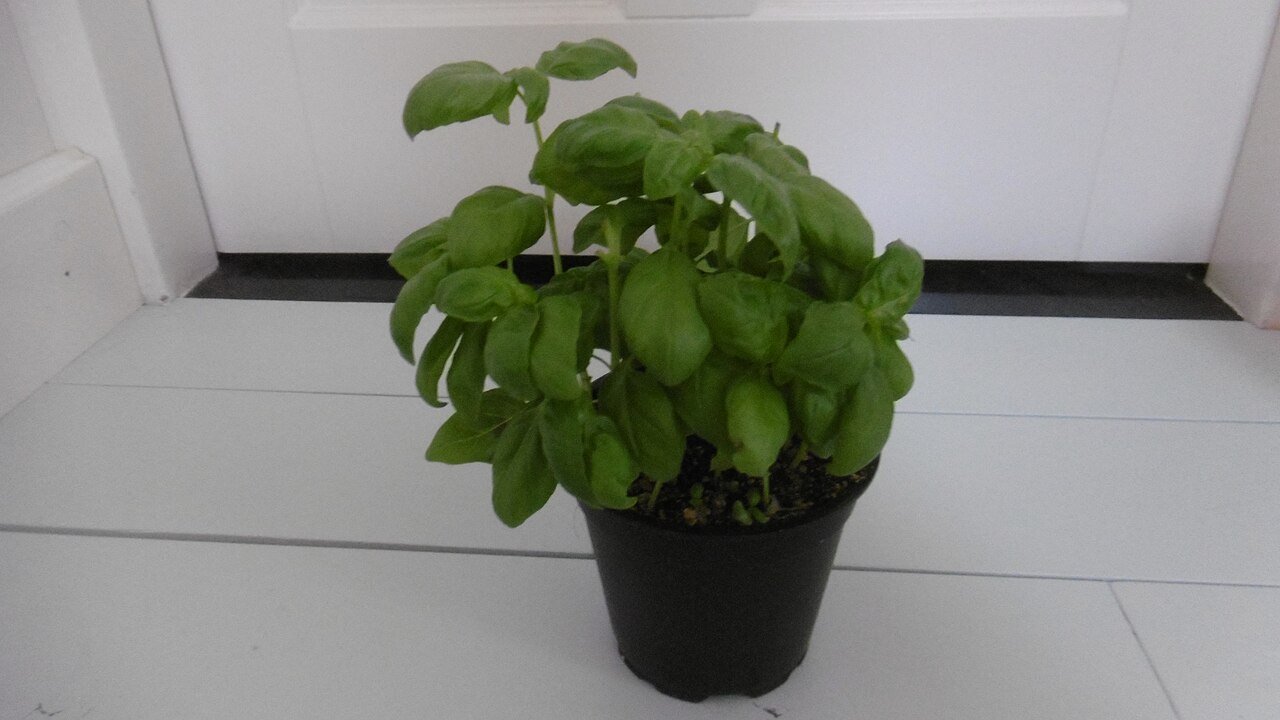
Many grocery-store basil pots contain numerous crowded seedlings grown for short-term sale. Separate some seedlings into additional pots if practical, provide strong light, keep the soil evenly moist but not soggy, and begin harvesting by pinching stems above leaf pairs. Sudden changes in temperature or watering can also cause stress.
Can herbs grow under a grow light?
Yes. Grow lights can supplement or replace window light when they provide adequate intensity and are positioned according to the fixture manufacturer’s instructions. Keep lights on a consistent daily schedule, provide airflow, and monitor plants closely because indoor pots may dry differently than outdoor containers.
How can I preserve fresh herbs without drying them?
Freezing works well for many herbs. Chop clean, thoroughly dried leaves and freeze them in small portions, either plain or covered with water or oil in a freezer-safe tray. Frozen herbs are best used in cooked dishes, sauces, soups, and dressings because their texture changes after thawing.
Featured photo: Ryan Snyder / Wikimedia Commons (CC BY 2.0; resized and locally hosted).
.jpg)