
Flower gardening is one of the easiest ways to make a yard feel more personal, colorful, and inviting. Beginners do not need a large property, expensive tools, or a perfect planting plan to get started. A sunny border, a few containers, or a small raised bed can produce satisfying results when the plants match the growing conditions.
The most important beginner skill is not memorizing plant names. It is learning to observe your yard: how much sun it receives, where water drains, when frost arrives, and which areas stay dry or damp. Those details determine which flowers will thrive with reasonable care.
Start small, choose reliable plants, and give them the right foundation. A simple garden that is planted and maintained well will look better than an oversized bed filled with plants that need more time, water, or experience than you can provide.
Related reading: how to create a flower garden and planning space for a garden.
Start With the Right Garden Location
Most flowering plants need more light than beginners expect. Before buying anything, watch the intended planting area on a clear day and estimate how many hours of direct sunlight it receives.
- Full sun: At least six hours of direct sun daily. Many annual flowers, roses, coneflowers, zinnias, and salvias grow best here.
- Part sun or part shade: Roughly four to six hours of sun, often with shade during the hottest part of the afternoon. This can suit many hydrangeas, begonias, impatiens, and some perennials.
- Shade: Less than four hours of direct sun. Choose plants specifically adapted to lower light rather than trying to force sun-loving flowers to perform.
Sun exposure can change during the season as trees leaf out or the angle of the sun shifts. A spot that seems sunny in early spring may become heavily shaded by summer.
Check Soil and Drainage Before Planting
Flowers need air around their roots as well as water. Poor drainage is a common reason plants struggle, especially in heavy clay soil or low areas where rain collects.
After a rainfall or watering, notice whether puddles remain for more than a day. If they do, choose moisture-tolerant plants, improve the bed gradually with organic matter, or use containers and raised beds instead. Do not assume that adding a small amount of sand will fix clay soil; it can create a dense, concrete-like texture when mixed improperly.
A simple soil test through a local Cooperative Extension office can help identify pH and nutrient issues. However, many beginner flower gardens can get started successfully by incorporating finished compost into the planting area and choosing plants suited to the site.
Choose Flowers That Match Your Experience and Climate
Flower gardening becomes much easier when you select plants that fit your region, sunlight, and maintenance preferences. Read plant tags carefully. They usually provide useful information about mature size, light needs, spacing, hardiness, and watering requirements.
Understand Annuals, Perennials, and Biennials
| Plant Type | How It Grows | Best Use for Beginners |
|---|---|---|
| Annual | Completes its life cycle in one growing season | Quick color in containers, borders, and empty spaces |
| Perennial | Returns for multiple years when suited to the climate and site | Long-term structure and recurring seasonal flowers |
| Biennial | Usually grows foliage the first year and flowers the second | Useful for gardeners willing to wait and allow some self-seeding |
Annuals are often the most forgiving choice for a first flower bed because they bloom for a long period and offer fast results. Perennials generally take more time to establish, but they can become dependable landscape plants once their roots are settled.
Reliable Choices for a First Flower Garden
The best plants depend on local conditions, but these categories are often approachable when matched to the correct light and climate:
- For sunny beds: zinnias, marigolds, cosmos, sunflowers, coneflowers, black-eyed Susans, and many salvias.
- For part shade: begonias, coleus grown for foliage, some hydrangeas, astilbe, and certain varieties of impatiens.
- For dry, sunny locations: yarrow, lavender in suitable well-drained soil, blanket flower, sedum, and drought-tolerant native plants appropriate for your area.
- For containers: petunias, calibrachoa, geraniums, lantana, sweet alyssum, and compact zinnias can work well if their light and watering needs are met.
Native flowers can be especially valuable because they are adapted to local conditions and may support pollinators. Still, “native” does not mean maintenance-free. Every plant needs appropriate light, drainage, and establishment watering.
Do Not Ignore Mature Size
A small nursery plant can look sparse when first installed, tempting beginners to crowd it. Spacing plants according to their mature width improves air circulation and reduces competition for moisture and nutrients. It also gives each plant room to develop its natural shape.
If a new bed looks bare, use annuals or mulch to fill visual gaps while perennials grow. Overcrowded plants may look full briefly, but they often become more vulnerable to fungal problems and may require dividing or moving later.
Plan a Simple, Cohesive Flower Bed
A beginner garden does not need dozens of varieties. Repeating a few plants and colors usually creates a calmer, more intentional look than planting one of everything.
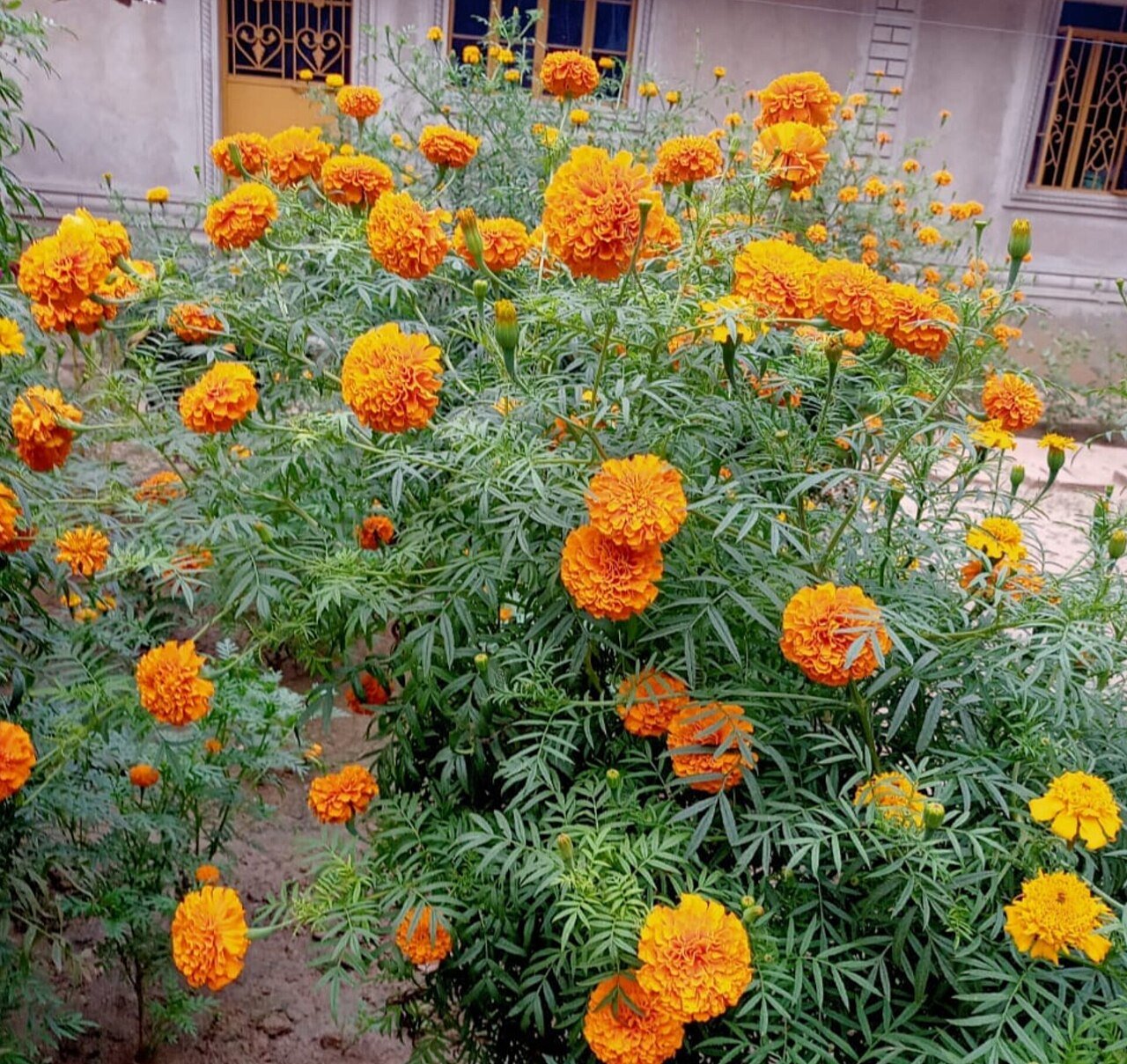
Choose a color approach before shopping. For example, use shades of pink, purple, and white for a soft border, or combine yellow, orange, and red for a warmer, high-energy display. Foliage matters, too. Silver, deep burgundy, chartreuse, and variegated leaves can add contrast even when flowers are between bloom cycles.

Use Height to Create Layers
In a bed viewed from one side, place taller plants toward the back, medium-height plants in the middle, and short plants near the front. In an island bed viewed from all sides, put the tallest plants near the center.
Check labels for mature height rather than relying on how plants look in their nursery pots. Also account for staking needs. Some tall flowers and perennials may flop after heavy rain or wind unless supported early in the season.
Plan for Continuous Interest
Not every flower blooms all summer. A better approach is to include plants with different bloom periods and attractive foliage. Early bulbs, spring perennials, summer annuals, and late-season flowering plants can keep the garden interesting for longer.
Deadheading, or removing faded flowers, can encourage additional blooms on many annuals and some perennials. It is not necessary for every plant, though. Some gardeners leave seed heads on flowers such as coneflowers and ornamental grasses for fall texture and bird food.
Prepare the Bed Without Overworking the Soil
Remove existing weeds, grass, rocks, and debris before planting. If you are converting lawn to a flower bed, consider the scale of the project. Small areas can often be cleared by hand, while larger conversions may benefit from sheet mulching, solarization where climate allows, or careful sod removal.
Avoid deep, repeated tilling unless there is a specific reason. Excessive tilling can damage soil structure, bring dormant weed seeds to the surface, and disturb beneficial organisms. For many new beds, loosening compacted soil as needed and mixing compost into the top layer is enough.
Improve Soil With Organic Matter
Finished compost can improve moisture retention in sandy soil and help heavy soil develop better structure over time. Spread it over the bed and work it in gently if needed. The goal is not to create a completely artificial soil mix, but to steadily build healthier garden soil.
Do not add fertilizer automatically. Flowers growing in overly rich soil may produce lots of leaves with fewer blooms, particularly if they receive too much nitrogen. If you use a fertilizer, select one appropriate for ornamental plants and follow the product label exactly.
How to Plant Flowers Successfully
Planting on a mild, cloudy day can reduce stress, but good timing matters more than perfect weather. Tender annuals should not go into the ground until frost danger has passed in your area. Cool-season flowers may tolerate chilly conditions better, but always check the plant tag.
- Water plants in their pots if the root ball is dry.
- Dig a hole about as deep as the root ball and somewhat wider.
- Slide the plant out gently and inspect the roots. Loosen tightly circling roots with your fingers if necessary.
- Set the plant so the top of its root ball sits level with, or slightly above, the surrounding soil.
- Backfill with the original soil, firming gently to remove major air pockets.
- Water slowly and thoroughly around the root zone.
- Add mulch around the plant, keeping it away from stems and crowns.
Planting too deeply is a frequent mistake. The stem base and crown should not be buried under soil or mulch, as that can contribute to rot and poor growth.
Starting Flowers From Seed
Growing flowers from seed is economical and offers more variety, but it requires attention to timing. Some seeds are easy to sow directly outdoors after frost, while others need to be started indoors weeks before the outdoor planting season.
Read the seed packet for depth, spacing, light requirements, and expected germination conditions. Seedlings need bright light after sprouting; a sunny windowsill may not provide enough light for strong indoor growth. If seedlings become tall and weak, they may need a brighter setup.
Before planting indoor-grown seedlings outside, harden them off. Gradually expose them to outdoor light, wind, and temperature changes over several days. Moving tender seedlings directly from a protected indoor environment to full sun can cause leaf scorch and transplant shock.
Water Flowers Deeply and According to Conditions
Newly planted flowers need consistent moisture while roots establish. After that, water needs vary widely based on plant type, rainfall, temperature, soil texture, wind, and container size.
Aim to wet the root zone rather than lightly sprinkling the surface every day. Deep, less frequent watering generally encourages roots to grow farther into the soil, while shallow frequent watering can leave plants dependent on constant moisture.
- Check soil moisture with a finger or small trowel before watering.
- Water early in the day when possible, allowing foliage to dry.
- Use drip irrigation, soaker hoses, or a watering wand directed at the soil to reduce wet leaves.
- Expect containers to dry faster than in-ground beds, especially in sun and wind.
- Adjust watering after rain instead of following a rigid schedule.
Wilting does not always mean a plant needs water. Plants can wilt from heat even when the soil is moist, and overwatered roots can also cause drooping. Check the soil before reacting.
Mulch, Weed Control, and Routine Garden Care
A 2- to 3-inch layer of organic mulch helps conserve soil moisture, moderates soil temperatures, and suppresses many weeds. Shredded leaves, pine straw, and untreated wood mulch are common options. Keep mulch several inches away from plant stems to reduce the chance of rot and rodent damage.
Pull weeds when they are small. Young weeds come out more easily and are less likely to compete heavily with your flowers. Remove seed heads from weeds before they spread, and do not add mature weed seeds to a home compost pile unless your composting process reliably reaches temperatures that destroy them.
Use a Garden Tank Sprayer Carefully
A garden tank sprayer can be useful for applying certain labeled products, such as targeted herbicides, insecticidal soaps, fungicides, or foliar treatments. It is not a substitute for identifying the actual problem first. Yellow leaves, spots, chewed foliage, and weak growth can result from weather, irrigation, pests, disease, nutrient issues, or chemical injury.
Before using any spray, inspect plants closely and consider cultural solutions. Hand-pulling weeds, pruning affected leaves, improving airflow, adjusting watering, or rinsing off a small aphid population may solve the problem without a pesticide.
If a product is necessary, use only one that is labeled for the specific plant and problem. Follow the current label for mixing, protective equipment, weather limits, application timing, storage, and disposal. Avoid spraying on windy days, near open water, or when bees and other pollinators are actively visiting blooms unless the label specifically allows that use. Never use a sprayer for food crops after it has held a product not labeled for edible plants unless the manufacturer and product directions clearly permit safe cleaning and reuse.
Recognize Common Flower Garden Problems
Few or No Blooms
Plants that produce leaves but few flowers may be receiving too little sun, too much nitrogen, or inconsistent moisture. Some perennials also need time to establish before they bloom heavily. Review the plant’s light requirement and avoid adding fertilizer unless there is a clear reason to do so.
Yellowing Leaves
Yellow leaves can be caused by overwatering, underwatering, poor drainage, nutrient problems, root damage, insects, or natural aging. Look at where symptoms begin and how they progress. Lower leaves that yellow occasionally may be normal, while widespread yellowing combined with wet soil points toward a drainage or watering concern.
Chewed Leaves and Holes
Holes may come from caterpillars, beetles, slugs, snails, or other pests. Inspect leaves, stems, and the soil surface at different times of day. Slugs and snails are often more active at night or in damp conditions. Identify the likely pest before choosing a treatment.
Powdery or Spotted Foliage
Fungal diseases are more likely when foliage stays wet, plants are crowded, or airflow is poor. Water near the soil, space plants properly, remove heavily affected leaves, and clean up diseased debris. A fungicide may not reverse existing damage and should be used only when it is labeled for the plant and condition.
Seasonal Tasks for a Healthy Flower Garden
Local weather determines exact timing, but a seasonal routine helps beginners stay ahead of common chores.
- Spring: Clean up winter debris, divide overcrowded perennials when appropriate, refresh mulch, plant cool-season flowers, and wait for local frost risk to pass before setting out tender annuals.
- Summer: Monitor soil moisture, deadhead where useful, pull weeds, check for pests, and support tall plants before they fall over.
- Fall: Plant spring-flowering bulbs at the suitable local time, remove diseased plant material, divide selected perennials if needed, and add compost or mulch after the soil cools.
- Winter: Protect tender plants if appropriate for your climate, avoid walking on frozen or saturated beds, and use the quieter season to plan changes for next year.
Do not cut every perennial down immediately in fall. Some plants benefit from winter protection provided by their stems and leaves, while others offer seed heads and shelter for wildlife. Research each plant or use guidance from your local Extension office before doing a major seasonal cleanup.
Build Skills by Keeping the First Year Manageable
Your first season is an opportunity to learn how your yard behaves. Take notes or photos of which areas get the strongest sun, which plants bloom longest, and where water collects. These observations are more valuable than copying a planting list designed for another climate or soil type.
A successful beginner flower garden usually has a simple formula: suitable plants, well-prepared soil, correct planting depth, steady establishment watering, and regular attention before small problems grow larger. Expand gradually after you understand what works in your space.
Frequently Asked Questions
How large should a beginner flower garden be?
Start with a bed you can weed, water, and mulch comfortably. A small border or a few containers is enough to learn the basics. It is easier to enlarge a successful garden later than to rescue a large bed that becomes overwhelming.
Can flowers grow in soil that has not been tested?
Yes, many flowers can grow well without an initial soil test, especially when the site drains reasonably and plants are chosen carefully. A soil test becomes more useful when plants repeatedly struggle, growth is poor, or you are considering fertilizer or pH adjustments.
What is the easiest way to make a flower garden look fuller?
Repeat a few plant varieties in groups rather than scattering single plants throughout the bed. Use annuals to fill temporary gaps while perennials mature, but still follow recommended spacing so plants do not become crowded later.
Should I remove flowers as soon as they fade?
Remove faded blooms from plants that respond well to deadheading, particularly many annuals. Leave flowers that produce attractive seed heads or food for birds if that fits your garden goals. Check the needs of each plant rather than applying one rule to all flowers.
When should I ask for local gardening help?
Contact a local Cooperative Extension office, qualified nursery professional, or landscape professional when you have recurring disease problems, major drainage issues, uncertain plant identification, extensive pest damage, or a planting project involving large trees, slopes, or buried utilities.
Featured photo: Gerda Arendt / Wikimedia Commons (CC0; resized and hosted locally).
