
Vegetable garden planting ideas work best when they match your available sunlight, growing season, soil, and household needs. A small, well-planned garden can produce more useful food than a large space planted without attention to timing, spacing, or plant size.
Start with vegetables your household actually enjoys eating, then build the layout around sun exposure and seasonal conditions. Most fruiting crops, including tomatoes, peppers, beans, cucumbers, and squash, need at least six to eight hours of direct sun. Leafy greens and root crops can often manage with somewhat less.
This guide covers practical vegetable garden planting ideas for raised beds, in-ground plots, containers, and small spaces, along with planning tips that help avoid common beginner mistakes.
Related reading: vegetable gardening for beginners and planning the available garden space.
Choose the Right Location First
Garden location has a larger effect on results than decorative layout or the number of plants you buy. Before selecting crops, observe the intended area for a few days. Note when it receives direct sun, whether water pools after rain, and how close it is to a convenient water source.
Prioritize sunlight
Full-sun vegetables generally need at least six hours of direct sunlight daily, with eight or more hours being ideal for many warm-season crops. Tomatoes, peppers, eggplant, corn, melons, cucumbers, and squash are less productive in shade.
If your yard has partial shade, focus on crops that tolerate it better:
- Lettuce and other salad greens
- Spinach
- Kale
- Swiss chard
- Radishes
- Beets
- Carrots
- Green onions
- Parsley and cilantro
Look for drainage and access
A vegetable garden needs soil that drains after rain but does not dry out immediately. Avoid low spots that stay soggy, because persistently wet roots can lead to poor growth and disease problems. If the only sunny area has heavy or poorly drained soil, raised beds or large containers can be practical alternatives.
Place the garden where you will see it often. A plot near the house is easier to weed, harvest, inspect for pests, and water during dry periods. Long walks with watering cans can make regular care less likely, especially in summer.
Match Vegetable Choices to the Season
One of the most useful vegetable garden planting ideas is to divide crops into cool-season and warm-season groups. Planting at the wrong time can lead to bolting, poor germination, frost damage, or slow growth.
| Crop Group | Common Examples | Best General Planting Conditions |
|---|---|---|
| Cool-season crops | Lettuce, peas, broccoli, cabbage, kale, spinach, radishes | Cool spring weather or fall conditions; many tolerate light frost |
| Warm-season crops | Tomatoes, peppers, beans, cucumbers, squash, corn, melons | After frost danger has passed and soil has begun to warm |
| Long-season crops | Winter squash, sweet potatoes, tomatoes, melons | Need a sufficiently long warm growing season |
| Quick crops | Radishes, baby greens, bush beans, some lettuces | Useful for filling gaps and succession planting |
Local frost dates are important, but they are not the only factor. Soil temperature, spring rainfall, and sudden late cold snaps also affect planting. Your local Cooperative Extension office can provide region-specific planting calendars and cultivar suggestions.
Use succession planting for a longer harvest
Rather than planting every seed packet at once, sow small batches of fast-growing crops every week or two while weather allows. This approach is especially helpful for lettuce, radishes, arugula, cilantro, bush beans, and carrots.
When one crop finishes, replant the open space. For example, a spring planting of peas may be followed by beans, cucumbers, or basil once warm weather arrives. In many regions, beds cleared in late summer can hold fall lettuce, kale, spinach, or radishes.
Plan a Layout That Fits Plant Size
A productive garden is not necessarily one with the most plants. Overcrowding reduces airflow, makes harvesting difficult, and can increase disease pressure. Read the plant tag or seed packet for mature spacing and treat it as a starting point, not wasted space.
Place tall crops where they will not shade shorter plants
In much of the United States, placing taller crops on the north side of a garden helps prevent them from shading smaller plants. Corn, trellised beans, tomatoes, cucumbers, and tall sunflowers can form a useful vertical edge. Put low-growing crops such as carrots, onions, lettuce, and herbs in front of them.
This principle is flexible. If your site is shaped differently or gets sunlight from an unusual direction because of nearby buildings and trees, adjust the layout based on your actual conditions.
Give sprawling crops room to grow
Summer squash, pumpkins, melons, and winter squash can take over a small bed quickly. Plant them at the edge of the garden and direct vines into a path, lawn edge, or other open area if appropriate. Another option is to choose compact or bush varieties suited to smaller spaces.
Do not assume every vining crop can safely grow on a small trellis. Cucumbers and pole beans are commonly trellised, while melons and squash may need strong support and slings for developing fruit, depending on variety and fruit size.
Vegetable Garden Planting Ideas for Raised Beds
Raised beds are a good choice where native soil is compacted, rocky, poorly drained, or difficult to work. They also create defined growing areas that are easier to keep off-limits to foot traffic. Soil compaction is reduced when you can reach the center of the bed without stepping into it.

Use intensive spacing carefully
Raised beds can support closer spacing than traditional wide-row gardens because the soil is not repeatedly walked on. However, intensive planting still requires adequate space for mature leaves, roots, and airflow. Crowding tomatoes, peppers, squash, or brassicas rarely improves the harvest.
A balanced raised-bed plan might include:
- A trellis along one side for peas, pole beans, or cucumbers
- One or two staked or caged tomato plants, spaced for airflow
- A block of bush beans or compact peppers
- Short rows of carrots, beets, or onions
- Quick greens tucked into open spots early or late in the season
Keep paths and bed widths practical
Most home gardeners find beds easiest to manage when they can reach the middle from either side without standing on the soil. Paths should be wide enough for comfortable walking, carrying a harvest basket, and moving tools. If you use a wheelbarrow or garden cart, plan paths around that equipment.
Small-Space and Container Garden Ideas
You do not need a large yard to grow vegetables. Containers, grow bags, window boxes, and patio planters can produce herbs, salad greens, peppers, compact tomatoes, beans, and other crops. The key is matching the container size to the mature plant and watering needs.
Choose crops that suit containers
Compact, patio, bush, dwarf, or determinate varieties are often easier to manage in containers than full-size sprawling plants. Good container candidates include:
- Leaf lettuce, spinach, and arugula
- Radishes and green onions
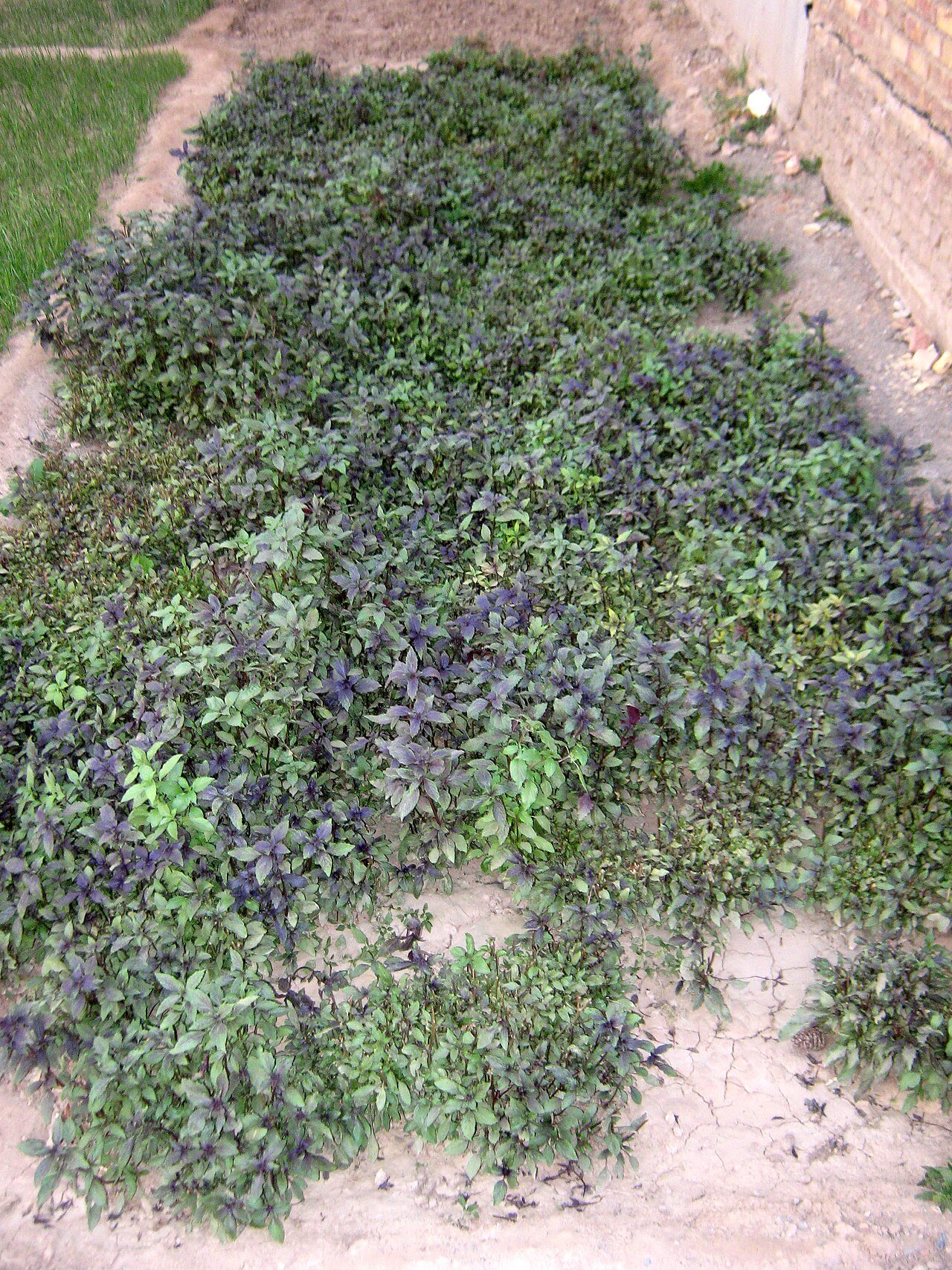
- Herbs such as basil, parsley, thyme, and chives
- Patio or dwarf tomatoes
- Peppers
- Bush beans
- Compact cucumbers with a trellis
Use containers with drainage holes and a quality potting mix rather than heavy garden soil. Containers dry out faster than in-ground beds, particularly in wind, heat, and full sun. Check moisture regularly by feeling below the surface instead of watering only by the calendar.
Build upward in tight spaces
Vertical gardening makes better use of small sunny areas. A sturdy trellis, cattle panel, netting designed for garden use, or other suitable support can keep vines off the soil and make harvesting easier. Secure supports before plants become large, rather than trying to install them around mature vines.
Only use supports that can handle the expected crop weight and local wind. Avoid blocking walkways, windows, gates, or access to utility equipment.
Prepare Soil for Healthy Root Growth
Vegetables need loose, well-drained soil with organic matter and appropriate fertility. Healthy soil supports roots, holds moisture without becoming waterlogged, and makes nutrients more available to plants.
Test before making major fertilizer changes
A soil test is the most reliable way to learn whether your garden needs lime, sulfur, phosphorus, potassium, or other amendments. Guessing can create nutrient imbalances and may not solve the problem you see. Local Cooperative Extension programs commonly offer soil-testing information or services.
For most gardens, adding finished compost to the planting area can improve soil structure and organic matter. Work with the soil when it is moist enough to crumble but not so wet that it forms sticky clods. Repeatedly tilling wet soil can damage its structure.
Use fertilizer thoughtfully
Vegetables have different nutrient needs, and excessive nitrogen can produce lush leaves at the expense of flowers or fruit in some crops. Follow soil-test recommendations when available. If using a packaged fertilizer, apply it according to the current product label and keep it away from waterways, storm drains, and areas where it could wash away.
Compost is valuable, but it is not automatically a complete fertilizer. Its nutrient content varies by ingredients and maturity, so do not rely on it to correct a confirmed nutrient deficiency without further guidance.
Water Vegetables Deeply and Efficiently
Consistent moisture is especially important while seeds germinate, transplants establish, and plants flower or form fruit. The goal is not constant wetness. Roots need moisture and oxygen, and overly wet soil can be as harmful as drought stress.
Water the root zone, not just the leaves
Soaker hoses and drip irrigation are efficient ways to wet the soil near roots while keeping foliage drier. If you water by hand, a garden hose nozzle sprayer with a gentle shower setting can help you water newly planted seeds and transplants without blasting soil out of place. For established plants, direct water toward the soil rather than routinely soaking leaves.
Avoid using a high-pressure stream around seedlings, shallow roots, or delicate foliage. Check that water is actually soaking into the root zone; hard or compacted soil may shed water as runoff. Water more slowly in that situation, then address the underlying soil condition.
Adjust for weather and soil
There is no single correct watering schedule for every vegetable garden. Sandy soil drains quickly and may need more frequent watering than loam or clay. Containers may need attention daily during hot spells, while in-ground beds may hold moisture longer. Rainfall, wind, mulch, plant size, and temperature all matter.
Watch for practical signs: dry soil below the top inch or two, wilt that does not improve as temperatures cool, slow growth, and cracking fruit can point to moisture problems. These signs are not exclusive to watering, so inspect for pests, disease, root issues, and nutrient problems as well.
Use Mulch to Protect Soil and Reduce Weeds
A layer of organic mulch around established vegetables can conserve soil moisture, moderate temperature swings, and reduce weed competition. Clean straw, shredded leaves, untreated grass clippings applied in thin layers, and other appropriate organic materials may work well.
Keep mulch slightly away from plant stems to reduce persistent moisture against the crown. Do not use clippings from lawns recently treated with herbicides unless you have confirmed they are appropriate for composting or garden use. Some herbicide residues can injure sensitive vegetable crops.
Prevent Common Planting Problems
Good planning will not eliminate every pest, disease, or weather issue, but it reduces avoidable stress. Inspect plants regularly, especially the undersides of leaves, stems, and developing fruit. Early identification is usually easier to manage than a severe outbreak.
Do not plant too early
Warm-season transplants often stall when set into cold soil, even if daytime air temperatures feel pleasant. Harden off seedlings before moving them outdoors by gradually exposing them to outdoor conditions. Protect tender crops if an unexpected cold night is forecast.
Rotate crop families when possible
Rotating plant families helps reduce the buildup of some soilborne pests and diseases. For example, avoid planting tomatoes, peppers, potatoes, and eggplants in the same exact area year after year because they are closely related. Likewise, move brassicas such as broccoli, cabbage, kale, and cauliflower when space permits.
Rotation is more difficult in very small gardens, but even moving crops between beds or containers can help. Remove diseased plant debris rather than composting it if you are unsure whether your compost system gets hot enough to destroy pathogens.
Start with the least disruptive pest controls
Hand-picking larger pests, using row covers where appropriate, improving spacing, removing weeds, and choosing resistant varieties can solve many garden problems without routine pesticide use. If a pesticide is necessary, identify the pest first and choose a product labeled for that crop and target pest. Follow the current label exactly, especially around edible plants, pollinators, children, pets, and water sources.
Keep a Simple Garden Record
A garden journal does not need to be elaborate. Record what you planted, approximate planting dates, varieties, weather events, pest issues, and how well each crop performed. Notes from one season make next year’s vegetable garden planting decisions more accurate than generic advice alone.
Track which varieties handled your local heat, humidity, rainfall, and growing season well. Also note what your household used most. A successful garden is one that fits your climate and gives you vegetables you are happy to harvest and eat.
Frequently Asked Questions
What vegetables are easiest for a first-time gardener?
Radishes, leaf lettuce, bush beans, cherry tomatoes, zucchini, and herbs are common beginner choices. The easiest option still depends on season and sunlight. Choose just a few crops at first so you can learn their needs without becoming overwhelmed.
Can vegetables grow in soil that has grass or weeds in it?
They can, but existing grass and weeds compete strongly for water and nutrients. Remove sod and persistent weeds before planting, or use a properly built raised bed filled with suitable growing mix. Do not simply cover active turf with a thin layer of soil and expect vegetables to thrive.
How many vegetable plants should a household grow?
Start with the amount you can maintain and eat fresh. One or two tomato plants, a short row of beans, a small patch of greens, and a few pepper plants may be plenty for a beginner. Increase planting gradually after learning how much each crop produces in your conditions.
Is it better to start vegetables from seed or buy transplants?
Seed is economical and offers more variety, especially for beans, peas, carrots, radishes, and greens. Transplants save time for slower warm-season crops such as tomatoes, peppers, eggplants, and many herbs. Some root crops generally perform better when directly sown because transplanting can disturb their roots.
What should I do if my vegetable plants look unhealthy?
Check soil moisture, sun exposure, recent weather, pest activity, leaf spots, root condition, and possible chemical drift before treating anything. Similar symptoms can have different causes. Take clear photos and contact a local Cooperative Extension office or qualified garden professional if the problem spreads or remains unclear.
Featured photo: Kerstin Namuth / Wikimedia Commons (CC BY-SA 4.0; resized and locally hosted).
