
Starting a vegetable garden is one of the most practical ways to grow fresh food at home, but beginners often get better results by starting small rather than planting every crop at once. A sunny space, healthy soil, reliable water, and a few easy vegetables can produce a satisfying first harvest without turning the garden into an overwhelming project.
The best beginner garden is sized for the time you can realistically spend on it. A few raised beds, a compact in-ground plot, or several containers can all work well. Focus first on crops you enjoy eating and choose varieties suited to your growing season, available sunlight, and space.
This guide explains how to plan, plant, water, maintain, and harvest a productive vegetable garden while avoiding common first-year mistakes.
Related reading: vegetable garden planting ideas and raised bed gardening tips.
Choose the Right Location
Most vegetables need at least six to eight hours of direct sunlight daily. Fruiting crops such as tomatoes, peppers, cucumbers, beans, squash, and melons are especially dependent on sun. Leafy greens, including lettuce, spinach, kale, and Swiss chard, can tolerate somewhat less light and may appreciate afternoon shade in hot climates.
Before building beds or buying plants, watch the proposed garden area for a day. Note where sunlight falls in the morning and afternoon, where water collects after rain, and whether nearby trees compete for light and moisture.
- Prioritize sunlight: A bright location is usually more important than having the largest possible area.
- Avoid low, soggy spots: Vegetable roots need air as well as water. Poor drainage can lead to weak growth and root diseases.
- Keep water nearby: A garden close to a spigot is easier to maintain during dry weather.
- Consider convenience: You are more likely to weed, harvest, and spot pest problems when the garden is easy to reach.
- Check for hazards: Avoid areas that may have contaminated soil, recent construction debris, or runoff from driveways and treated landscapes.
If you are unsure about soil quality, especially in an older urban property or near a former structure, consider a soil test. Your local Cooperative Extension office can often provide soil-testing information and region-specific recommendations.
Start Small and Pick a Garden Style
A common beginner mistake is planting more than the household can water, weed, harvest, or preserve. A modest garden is easier to learn from and can be expanded next season.
In-ground gardens
An in-ground plot can be economical and flexible, particularly if the existing soil drains reasonably well. Remove turf and weeds, loosen compacted ground, and add compost before planting. Avoid repeatedly digging or walking on the growing area, which can compact soil over time.
Raised beds
Raised beds are useful where native soil is heavy clay, rocky, poorly drained, or difficult to work. They also create a clear growing space and reduce soil compaction because gardeners can reach across the bed without stepping in it.
Keep beds narrow enough to reach the center from either side. The exact dimensions are less important than being able to plant, weed, and harvest without walking on the soil.
Containers
Containers are an excellent option for patios, balconies, renters, or anyone with limited space. Use containers with drainage holes and choose a quality potting mix rather than dense garden soil. Large containers hold moisture more steadily than small pots and generally support healthier roots.
Good container choices include patio tomatoes, peppers, bush beans, herbs, lettuce, radishes, compact cucumbers, and greens. Match container size to the mature plant, since large vegetables need adequate root room.
Build Healthy Soil Before You Plant
Vegetables grow best in loose, fertile soil that holds moisture without staying waterlogged. Soil does not need to be perfect on day one, but improving it steadily is one of the most valuable things a gardener can do.
Add compost
Finished compost adds organic matter and supports better soil structure. Spread it over the bed and mix it gently into the top layer of soil before planting, or use it as a light top-dressing around established plants. Compost is helpful, but it is not a substitute for every nutrient need in every soil.
Use finished compost that smells earthy and has broken down well. Avoid applying fresh manure directly around growing vegetables, especially crops that will be eaten raw. Handling and timing requirements vary, so use properly composted materials and follow local guidance.
Use fertilizer thoughtfully
Vegetables can be heavy feeders, but fertilizer should match the crop and your soil’s needs. A soil test is the most reliable way to identify nutrient shortages and pH concerns. Without one, use a balanced garden fertilizer cautiously and follow the product label exactly.
Too much fertilizer, especially nitrogen, can create lush leaves while reducing fruit production in crops such as tomatoes and peppers. It can also contribute to nutrient runoff.
Protect soil structure
Do not work garden soil when it is wet enough to clump heavily or stick to tools and boots. Working wet soil can damage its structure and create hard clods. Use paths between beds and avoid stepping where vegetables are growing.
Choose Beginner-Friendly Vegetables
The easiest vegetables depend on your local climate and season, but certain crops are generally forgiving and productive. Start with a manageable mix of quick crops, long-season crops, and herbs.
| Crop | Why It Suits Beginners | Important Consideration |
|---|---|---|
| Leaf lettuce | Fast-growing and easy to harvest a few leaves at a time | Prefers cool weather and may bolt in summer heat |
| Radishes | Quick harvest and direct sowing is simple | Plant in cool conditions for the best flavor and texture |
| Green beans | Productive and simple to grow from seed | Choose bush types for less need for support |
| Cherry tomatoes | Often productive through the warm season | Need full sun, support, and consistent watering |
| Zucchini or summer squash | Fast, vigorous growth | Needs room and frequent harvesting; watch for pests and disease |
| Peppers | Good choice for warm, sunny gardens | Grow slowly in cool weather and need a long enough warm season |
| Herbs | Useful in small spaces and easy to harvest | Different herbs have different water and sun needs |
Buy transplants for slow-growing warm-season crops such as tomatoes, peppers, and eggplants if you are not starting seeds indoors. Direct-sow crops such as beans, radishes, carrots, peas, and lettuce when the weather and soil conditions suit them.
.jpg)
Understand Cool-Season and Warm-Season Planting
Planting at the right time matters as much as choosing the right crop. Vegetables are often grouped by whether they tolerate cool weather or require warm soil and frost-free conditions.
Cool-season vegetables
Peas, lettuce, spinach, kale, broccoli, cabbage, carrots, radishes, and many other greens grow best in the cooler parts of the year. In northern regions, these crops are commonly planted in spring and again in late summer for fall harvest. In warmer regions, they are often fall-through-winter crops.
Warm-season vegetables
Tomatoes, peppers, beans, cucumbers, corn, basil, squash, and melons need warm conditions. They should not be planted outdoors until the danger of frost has passed and the soil has begun to warm. A warm, sunny afternoon does not necessarily mean nighttime temperatures are safe for tender plants.
Your local average last frost date is a useful planning reference, but it is not a guarantee. Watch the forecast, protect tender plants during unexpected cold snaps, and use local Extension planting calendars as a regional starting point.
Plan Spacing, Rows, and Plant Support
Crowded plants compete for light, water, and nutrients. Dense foliage also dries slowly after rain or irrigation, which can increase disease pressure. Follow the spacing on the seed packet or plant label, accounting for the mature size rather than the small size of a new transplant.
Use vertical space whenever possible. Trellises, cages, stakes, and netting can support tomatoes, peas, pole beans, and cucumbers. Install supports at planting time or soon afterward so you do not damage roots later.
- Place tall crops where they will not shade shorter plants.
- Use sturdy supports that can handle mature plants and wind.
- Guide vines gently rather than forcing stems into position.
- Tie plants loosely with soft ties designed for plants; do not cinch stems tightly.
- Give vigorous crops such as squash and cucumbers enough room to spread.
Water Deeply and Consistently
Vegetable gardens need consistent moisture, especially while seeds germinate, transplants establish roots, and plants begin flowering or producing fruit. The correct watering schedule depends on rainfall, temperature, wind, soil type, plant size, and whether the garden is in the ground or in containers.
Instead of watering by the calendar, check the soil. If the upper layer is dry but the soil below still feels evenly moist, watering may not be needed yet. When plants need water, soak the root zone rather than applying a light sprinkle that only wets the surface.
Water at the base of plants
Soaker hoses and drip irrigation direct water close to the soil, reducing evaporation and keeping foliage drier than overhead sprinklers. A watering wand can also be useful for hand-watering new plants, containers, and specific dry spots.
Useful garden hose accessories can make watering more controlled and less wasteful. Examples include a shutoff valve at the hose end, a watering wand with a gentle shower setting, a hose timer for irrigation systems, quick-connect fittings, and a hose guide that helps prevent the hose from dragging across plants. Choose accessories compatible with your hose and irrigation setup, and inspect connections for leaks.
Use mulch to conserve moisture
A layer of clean organic mulch, such as straw, shredded leaves, or untreated grass clippings, can reduce evaporation, suppress weeds, and limit soil splash onto leaves. Keep mulch a short distance away from plant stems to reduce the chance of rot and pest shelter directly against the plant.
Containers dry out faster than garden beds, particularly in heat, wind, or direct sun. Check them frequently and water thoroughly when needed, allowing excess water to drain from the bottom.
Control Weeds Early
Weeds compete with vegetables for water, nutrients, and light. They are easiest to remove when small, before they develop deep roots or produce seeds.
Walk through the garden regularly and pull or hoe young weeds. Mulch between plants after seedlings are established, and keep paths covered with mulch, cardboard beneath wood chips, or another appropriate material to reduce weed growth.
Do not use herbicides casually in or near a vegetable garden. Drift, residue, and accidental contact can damage food crops and desirable plants. If a product is being considered, make sure it is labeled for the intended site and crop, and follow all current label directions and local requirements.
Watch for Pests and Plant Problems
Chewed leaves, yellowing, spots, wilting, and poor growth do not always have the same cause. A plant may be affected by insects, disease, uneven watering, nutrient problems, heat stress, compacted soil, or physical damage. Identify the issue before treating it.
Use a simple inspection routine
Check plants several times each week. Look at both sides of leaves, inspect stems and new growth, and notice whether symptoms are spreading. Catching an issue early often makes control easier.
- Hand-pick obvious pests when practical.
- Remove badly diseased leaves or plants when appropriate, and do not compost heavily diseased material unless your compost system gets hot enough to manage pathogens.
- Use row covers to protect young plants from certain insects, removing them when insect-pollinated crops need pollinator access.
- Keep foliage dry when possible and provide adequate spacing for airflow.
- Rotate crop families to a different area in future seasons when disease or pest problems recur.
If you choose an insecticide, fungicide, or other pesticide, use the least disruptive option that fits the confirmed problem. Read the label for approved crops, timing, protective equipment, pollinator precautions, and harvest restrictions. Never assume a product that is safe for ornamentals is suitable for edible plants.
Harvest Often and at the Right Stage
Harvesting is not just the reward at the end of the season; it can keep many plants producing. Beans, cucumbers, zucchini, and many herbs become less productive when mature fruits or leaves are left on the plant too long.
Pick vegetables when they have reached the size, color, and firmness expected for that crop. Check seed packets, plant tags, or trusted regional gardening resources for harvest cues. Tomatoes, for example, are usually best picked when fully colored for the variety, while zucchini is generally more tender before it becomes oversized.
Harvest in the cool part of the day when possible. Handle produce gently, keep it out of direct sun after picking, and refrigerate crops that require it. Wash vegetables shortly before use rather than storing them wet.
Keep a Simple Garden Record
A notebook, phone note, or garden map can improve your results quickly. Record what you planted, where it was planted, when it went into the garden, how it performed, pest problems, and which varieties your household liked.
These notes help you make better decisions next year. You may find that one tomato variety handled your climate well, a bed stayed too wet, or a crop was planted too late. Garden success is often built through small adjustments over several seasons.
Common Beginner Mistakes to Avoid
- Planting too much: Start with a garden you can care for consistently.
- Ignoring sunlight: A shaded site will limit warm-season vegetable production.
- Planting tender crops too early: Cold soil and late frost can stall or kill warm-season plants.
- Overwatering: Constantly saturated soil can be as harmful as drought.
- Watering leaves instead of roots: Wet foliage can encourage some diseases and wastes water.
- Skipping support: Tomatoes and climbing crops are easier to manage when supported early.
- Waiting too long to weed: Small weeds take minutes; established weeds can take hours.
- Treating every problem with chemicals: Diagnose first and use cultural or physical controls when they fit.
- Forgetting to harvest: Regular picking improves quality and can encourage continued production.
Frequently Asked Questions
How much time does a beginner vegetable garden require each week?
A small, well-mulched garden may need only a few short visits each week for watering checks, weeding, harvesting, and pest inspection. Time needs increase during hot, dry weather and at peak harvest. Containers usually require more frequent watering than in-ground beds.
Can I grow vegetables if my yard has only partial sun?
Yes, but choose crops that tolerate lower light, such as lettuce, spinach, kale, arugula, parsley, cilantro, and some other leafy greens. Fruiting crops can grow in partial sun but usually produce less than they would in a location with long periods of direct light.
Should I use seeds or starter plants?
Use seeds for crops that are easy to direct-sow, including beans, peas, radishes, carrots, and many greens. Starter plants are convenient for long-season crops such as tomatoes, peppers, and eggplants, especially where the growing season is short.
What can I do if rabbits or deer are eating my vegetables?
Physical barriers are usually the most reliable approach. The right fence height, mesh size, and installation method depend on the animal. Protect young plants early, because wildlife may establish feeding habits once they find an accessible garden.
Can I reuse the same vegetable garden beds every year?
Yes, but avoid planting the same plant family in the exact same area year after year when possible. Rotating crops can help reduce recurring soil-borne disease and pest issues. Refresh beds with compost, review soil-test results periodically, and remove plant debris at the end of the season.
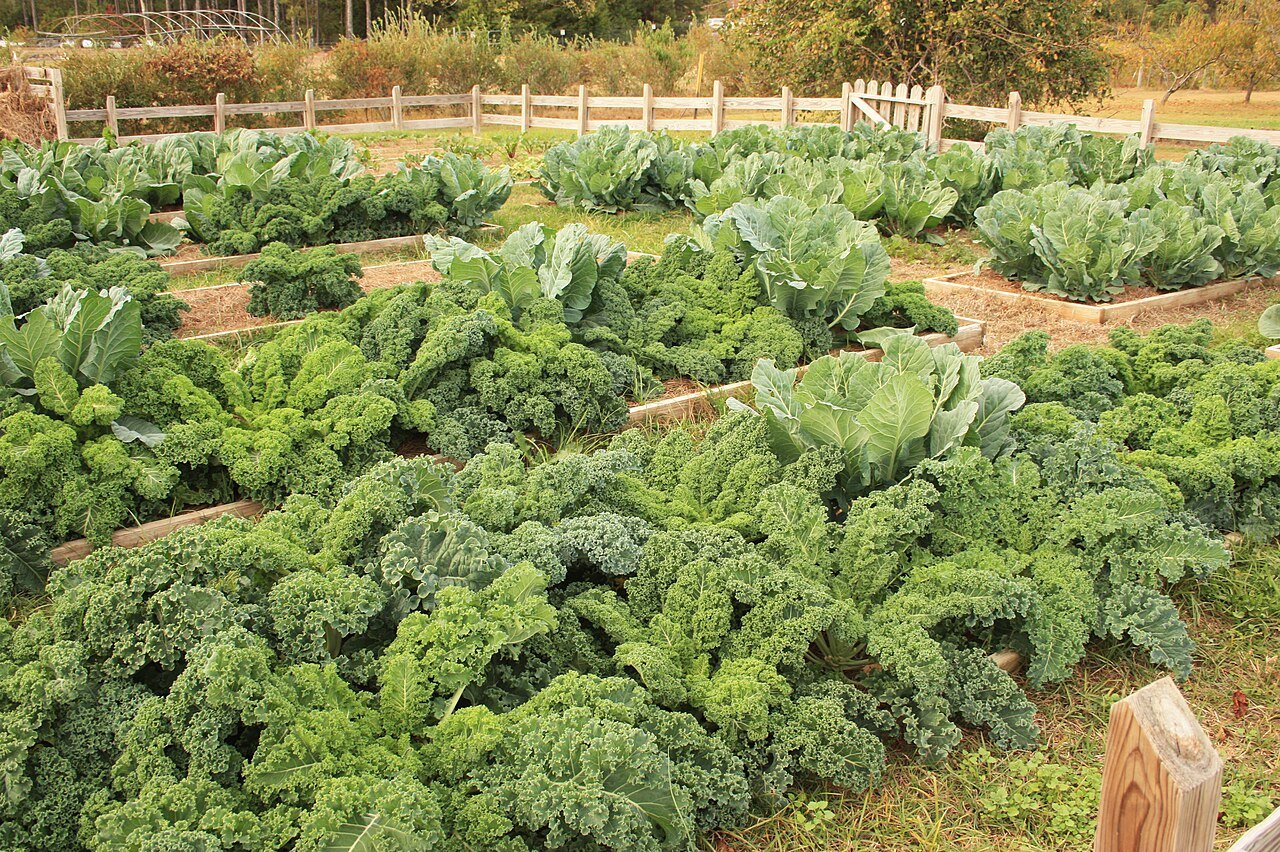
Featured photo: Alabama Extension / Wikimedia Commons (CC0; resized and hosted locally).
