
Beginner gardening becomes much easier when you focus on a few fundamentals: good light, healthy soil, appropriate plants, and consistent care. You do not need a large yard, expensive tools, or years of experience to grow flowers, herbs, vegetables, or shrubs successfully.
Start small enough that you can keep up with watering, weeding, and harvesting. A sunny container garden, a raised bed, or one well-prepared in-ground bed can teach you more than an oversized garden that becomes difficult to manage.
This guide covers the practical gardening tips and techniques that help new gardeners make confident decisions, avoid common setbacks, and build healthier plants over time.
Related reading: starting a vegetable garden and flower gardening for beginners.
Start With the Right Garden Location
Location affects nearly every part of gardening, including which plants will grow well, how often they need water, and how much maintenance they require. Before buying plants or seeds, observe your intended space for several days.
Understand Sun Exposure
Most vegetables, herbs, and many flowering annuals grow best in full sun, which generally means at least six hours of direct sunlight per day. Tomatoes, peppers, squash, cucumbers, basil, zinnias, and sunflowers all need strong light to produce well.
Part-sun or part-shade areas receive a few hours of direct sun or filtered light. These locations can suit plants such as lettuce, spinach, kale, cilantro, impatiens, coleus, and many ferns. A spot may look bright without providing enough direct sunlight for fruiting vegetables.
- Morning sun is gentler and can be helpful in hot climates.
- Afternoon sun is more intense and may dry soil quickly.
- Dense shade limits the number of plants that will thrive, especially edible crops.
- Reflected heat from brick walls, patios, and driveways can stress plants in summer.
Check Drainage and Access
Choose a site where water does not stand for long after rain. Soggy soil can deprive roots of oxygen and encourage root diseases. If your yard has heavy clay or poor drainage, consider raised beds or containers with drainage holes.
A garden should also be convenient. Plants that are near a water source and visible from the house are more likely to be watered, checked for pests, and harvested at the right time.
Choose Plants That Match Your Conditions
A common beginner mistake is choosing plants based only on appearance. The best plants for your garden are the ones that fit your climate, sunlight, soil, and available care time.
Begin With Easy, Productive Plants
For many new gardeners, transplants are easier than starting everything from seed. Young plants give you a head start and reduce the uncertainty of germination. Start with a limited selection rather than trying to grow every crop at once.
| Garden Type | Beginner-Friendly Choices | Important Consideration |
|---|---|---|
| Sunny vegetable garden | Beans, zucchini, cherry tomatoes, peppers, radishes | Allow enough room for mature plant size. |
| Herb garden | Basil, parsley, chives, thyme, oregano | Most culinary herbs need good drainage. |
| Flower garden | Marigolds, zinnias, cosmos, coneflowers | Select annuals or perennials suited to local sun and climate. |
| Shady space | Hostas, ferns, coleus, begonias, leafy greens | Morning sun and afternoon shade can still support some edibles. |
| Container garden | Patio tomatoes, peppers, lettuce, herbs, dwarf flowers | Containers dry out faster than in-ground beds. |
Know Your Planting Season
Planting time varies widely across the United States. Cool-season crops, including peas, lettuce, broccoli, kale, and radishes, tolerate cool weather and are often planted in early spring or fall. Warm-season crops such as tomatoes, peppers, beans, corn, melons, and basil should be planted after the danger of frost has passed and the soil has warmed.
Check your local Cooperative Extension service, garden center, or regional planting calendar for typical frost dates. USDA hardiness zones are useful for understanding whether perennial plants can survive winter cold, but they do not tell you everything about summer heat, rainfall, soil, or planting dates.
Build Healthy Soil Before You Plant
Healthy soil is the foundation of a productive garden. It holds water and nutrients while still allowing air to reach plant roots. You do not need perfect soil, but improving it gradually can make a major difference.
Learn the Basics of Soil Texture
Soil is often described as sandy, clay-heavy, loamy, or silty. Sandy soil drains quickly and may need more frequent watering. Clay soil holds water and nutrients but can become compacted and slow to drain. Loam is a balanced mix that drains reasonably well while retaining moisture.
Rather than trying to completely change your native soil in one season, add organic matter regularly. Finished compost, shredded leaves, and well-rotted plant material can improve soil structure over time.
Use Compost Carefully
Spread a layer of finished compost over a new bed and mix it gently into the upper soil layer, or use it as a top dressing around established plants. Compost can support soil life and improve moisture retention, but it is not a substitute for every nutrient need.
A soil test is especially helpful if plants repeatedly struggle, if you are starting a large vegetable garden, or if you are considering fertilizer. Your local Extension office may provide testing guidance. Test results can show soil pH and nutrient levels, helping you avoid applying products your garden does not need.
Avoid Working Wet Soil
Digging or walking on saturated soil can compact it, particularly in clay-heavy gardens. Wait until the soil is moist but crumbly. A simple test is to squeeze a small handful: if it forms a sticky ball that will not break apart, it is probably too wet to work.
Choose the Right Gardening Tools
A basic garden toolkit is usually enough for planting, weeding, watering, and light pruning. Buy tools that feel comfortable in your hands and suit the scale of your garden rather than collecting every tool available.
- Hand trowel: Useful for planting seedlings, digging small holes, and working in containers.
- Garden gloves: Protect hands from thorns, blisters, soil, and irritating plants.
- Watering can or hose wand: Helps direct water at the soil instead of blasting foliage.
- Hand weeder or hoe: Makes it easier to remove young weeds before they establish deep roots.
- Rake: Useful for leveling soil, spreading mulch, and gathering debris.
- Bypass pruning shears: Best for making clean cuts on live stems, flowers, and small branches.

How to Use Bypass Pruning Shears
Bypass pruning shears have two curved blades that pass each other like scissors. They are generally the preferred choice for green, living stems because they make a cleaner cut than anvil-style pruners, which crush a stem against a flat surface.
Use bypass pruning shears to deadhead spent flowers, harvest herbs, remove small damaged stems, and lightly shape many shrubs. Make cuts just above a healthy leaf node or outward-facing bud when pruning a stem for regrowth. Avoid twisting or forcing the shears through wood that is too thick for them; use loppers or a pruning saw sized for the branch instead.
Keep blades clean and sharp. Before cleaning, sharpening, or clearing debris, close the shears, use the safety latch if present, and follow the manufacturer’s instructions. Disinfecting blades between plants can help reduce the chance of spreading certain plant diseases.
Plant Correctly for Strong Root Growth
Proper planting gives plants the best chance to establish quickly. Whether you are planting seeds, nursery transplants, or perennials, avoid rushing this stage.
Planting Seeds
Seed packets provide important information about planting depth, spacing, light requirements, and timing. As a general rule, small seeds are planted shallowly, while larger seeds can be planted deeper. Planting seeds too deep is a frequent reason they fail to emerge.
- Prepare loose, level soil and remove large clumps, stones, and weeds.
- Plant seeds at the depth listed on the packet.
- Water gently so seeds are not washed away.
- Keep the seed area evenly moist until seedlings emerge.
- Thin crowded seedlings to the recommended spacing once they are established.
Thinning may feel wasteful, but overcrowded plants compete for sunlight, water, and nutrients. Better spacing improves airflow and can reduce disease problems.
Planting Nursery Transplants
Water transplants before planting so their root balls are not dry. Dig a hole about as deep as the root ball and somewhat wider. For most vegetables, annuals, and perennials, plant at the same depth they grew in the container unless the plant label gives different instructions.
Gently loosen circling roots around the outside of a severely root-bound plant before placing it in the hole. Backfill with the native soil, firm it lightly, and water thoroughly to settle the soil around the roots.
Do not assume every plant benefits from deep planting. Tomatoes can develop roots along buried stems, but many other plants can suffer if their crowns or stems are buried too deeply.
Water Deeply and Pay Attention to the Soil
New gardeners often water on a strict calendar, but plants need water based on weather, soil type, plant size, and growth stage. A hot, windy week may dry a container in a day, while a shaded bed after rain may need no additional water.
Check Before You Water
Press a finger into the soil near the plant’s root zone. If the soil is dry below the surface, watering may be needed. If it is still damp, wait and check again later. Newly planted seedlings need more consistent moisture than established shrubs or drought-tolerant perennials.
Water slowly enough for moisture to soak into the root zone. Frequent light sprinkling can encourage shallow roots, while a slower, deeper watering usually supports stronger root development. Watering early in the day gives foliage time to dry and can reduce prolonged leaf wetness.
Container Gardens Need Extra Attention
Containers have limited soil volume and dry out much faster than garden beds, especially in full sun or windy locations. Make sure every container has drainage holes. A decorative pot without drainage can leave roots sitting in water after rain or watering.
Use a quality potting mix for containers rather than dense garden soil. Potting mixes are designed to hold moisture while allowing air around roots. During hot weather, some containers may need daily checks.
Mulch, Weed, and Maintain the Garden Regularly
Small maintenance tasks are easier when done often. A few minutes spent checking plants several times each week can prevent weeds, pests, and watering issues from becoming larger problems.
Use Mulch to Protect Soil
Organic mulch such as shredded leaves, untreated wood chips, straw, or pine needles can help conserve soil moisture, moderate soil temperature, and suppress weeds. Keep mulch a short distance away from stems and tree trunks so moisture is not trapped directly against plant tissue.
Mulch choice depends on the garden. Fine mulch may work well around annual flowers and vegetables, while coarser wood chips are often better around trees and shrubs. Avoid piling mulch into a mound around a tree trunk, sometimes called a “mulch volcano,” because it can contribute to moisture and pest problems near the bark.
Remove Weeds While They Are Small
Weeds compete with desired plants for water, nutrients, and light. Pull them when the soil is slightly moist and before they flower or produce seed. A hoe can be effective for shallow, young weeds in open garden rows, but work carefully around shallow-rooted vegetables and newly planted flowers.
Try to identify persistent weeds before relying on herbicides. Some spread through underground roots or runners, and cutting them may not fully remove the problem. In many home gardens, hand removal, mulch, and preventing seed production are the most targeted approaches.
Inspect Plants for Problems
Look at plants regularly, including leaf undersides, stems, new growth, and the soil surface. Yellow leaves, holes, spots, wilting, and stunted growth can have many causes. The same symptom may result from insects, disease, drought, overwatering, nutrient imbalance, heat stress, or root damage.
Before treating a problem, look for evidence. Check whether pests are visible, whether damage is spreading, whether irrigation is working, and whether only one type of plant is affected. Remove heavily damaged leaves when appropriate, improve airflow, and avoid overwatering. If you use a pesticide or fungicide, select a product labeled for the plant and problem, and follow the current label exactly.
Feed Plants Without Overfertilizing
Fertilizer can support plant growth when soil nutrients are limited, but more fertilizer is not always better. Excess fertilizer can burn roots, encourage weak leafy growth, reduce flowering or fruiting in some plants, and wash into waterways.
Start with healthy soil and compost, then use a fertilizer only when the crop, plant label, or soil test suggests it is needed. Vegetable gardens and fast-growing annuals may need supplemental nutrients during the season, while established native plants and many shrubs may require little or no fertilizer in suitable soil.
Always follow the product label for application instructions, timing, and safety precautions. Keep fertilizers away from storm drains, ponds, wells, and waterways, and store garden products where children and pets cannot access them.
Prune With a Purpose
Pruning is not simply about making a plant look tidy. It can remove dead or damaged growth, improve airflow, control size, and encourage certain plants to branch or bloom. However, unnecessary or poorly timed pruning can reduce flowers, remove developing fruit, or stress the plant.
Know What You Are Cutting
Remove dead, broken, or clearly diseased stems when you notice them, using clean tools. For flowering shrubs, timing matters because some form next season’s flower buds soon after blooming. Pruning them at the wrong time may remove those buds.
Read the plant tag or consult a reliable local gardening resource before heavily pruning a shrub, rose, fruit tree, or ornamental tree. Large branches, branches near power lines, and work that requires climbing should be handled by a qualified arborist.
Harvest Often
Harvesting is a form of maintenance. Picking beans, zucchini, cucumbers, herbs, and many flowers regularly can encourage continued production. Use clean bypass pruning shears or scissors for tougher herb stems and flowers rather than tearing them by hand.
Do not remove more foliage than a plant can comfortably replace. Herbs can usually handle regular light harvesting once established, but taking most of the leaves from a small or stressed plant can slow recovery.
Common Beginner Gardening Mistakes to Avoid
- Starting too large: Begin with an area you can weed, water, and observe consistently.
- Ignoring mature size: Crowded plants have reduced airflow and compete for resources.
- Planting sun lovers in shade: Fruiting plants usually need much more direct light than leafy plants.
- Watering by habit instead of need: Check the soil and adjust for rainfall and heat.
- Overfertilizing: Apply only what plants need and follow label directions.
- Using garden soil in containers: Dense soil can limit drainage and root aeration in pots.
- Waiting too long to weed: Young weeds are far easier to control than mature, seeding weeds.
- Skipping plant labels: Labels often provide crucial spacing, light, and water information.
A successful first garden does not need to be flawless. Plants will occasionally fail, pests may appear, and weather can disrupt plans. The goal is to observe what happens, make one improvement at a time, and use each season to build better gardening habits.
Frequently Asked Questions
How much time does a beginner garden need each week?
A small garden may need only a few short visits each week for watering checks, weeding, harvesting, and pest inspection. Larger gardens, containers during hot weather, and newly planted beds usually need more frequent attention.
Is it better to start a garden from seeds or young plants?
Both methods work. Young plants are often easier for beginners because they skip the germination stage, while seeds offer more variety and can cost less. A practical approach is to buy transplants for slower warm-season crops and direct-sow easy crops such as beans, radishes, and lettuce.
Can I garden if my yard has poor soil?
Yes. Improve existing soil gradually with compost and mulch, or use raised beds and containers filled with appropriate growing media. Good drainage and suitable plant choices matter as much as having naturally rich soil.
What should I do if insects are eating my plants?
First identify the damage and look for the insect causing it. Hand removal, barriers, row covers, and encouraging beneficial insects may solve many small problems. Use a labeled treatment only when necessary and after confirming it is suitable for the plant and pest.
When should I replace old pruning shears?
Replace pruning shears when blades cannot be sharpened effectively, the cutting action remains loose or damaged, safety features no longer work, or the tool crushes stems instead of making clean cuts. Proper cleaning, drying, and occasional sharpening can extend the life of quality shears.
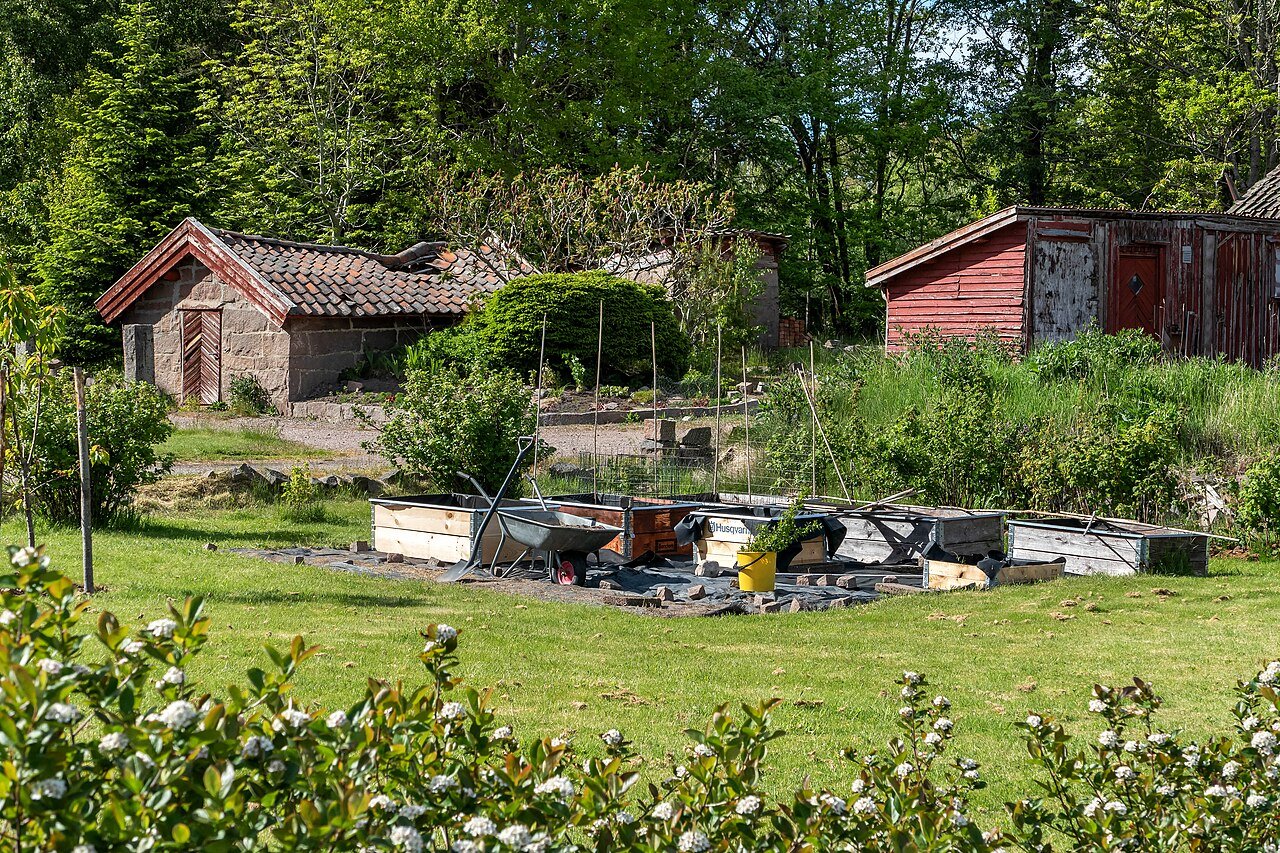
Featured photo: Yaronstern / Wikimedia Commons (CC BY-SA 4.0; resized and locally hosted).
