
Overseeding thickens an existing lawn by adding new grass seed without removing the entire turf. This page focuses on how to overseed a lawn step by step. For choosing the best seasonal window, use our separate guide on when to overseed.
1. Identify the Lawn Problem First
Overseeding works best for thin, worn, or lightly damaged turf. Fix severe shade, poor drainage, active pest or disease problems, or heavy compaction before seeding, or the new grass may fail for the same reason as the old turf.
2. Choose Compatible Grass Seed
Select seed that matches your climate, sunlight, existing turf, and maintenance level. Read the label for species, germination percentage, purity, and weed-seed content. Avoid mixing an unsuitable grass into the lawn simply because it is inexpensive or labeled “sun and shade.”
3. Mow and Clear the Surface
Mow the existing lawn somewhat shorter than normal without scalping it. Remove heavy clippings, leaves, and loose debris so seed can reach the soil surface.
Lightly rake thin areas. If thatch is excessive, remove enough to expose soil, but do not aggressively tear up healthy turf.
4. Aerate Only Where Needed
Core aeration is useful when soil is compacted, water runs off, or the lawn receives heavy traffic. Aerate when soil is moist but not muddy. Leave the cores on the lawn to break down naturally.
Credit: sprinklerdrainage.com
5. Spread Seed Evenly
Use the overseeding rate on the seed label. For a larger lawn, divide the seed into two portions and spread one half in one direction and the second half at a right angle. This reduces missed strips and heavy patches.
Do not apply extra seed “for insurance.” Crowded seedlings compete for light, moisture, and nutrients.
6. Improve Seed-to-Soil Contact
Lightly rake after seeding so the seed settles against the soil surface. Most turf seed should remain near the surface rather than being deeply buried. A light roller may help on loose soil, but avoid compacting wet ground.
7. Water for Germination
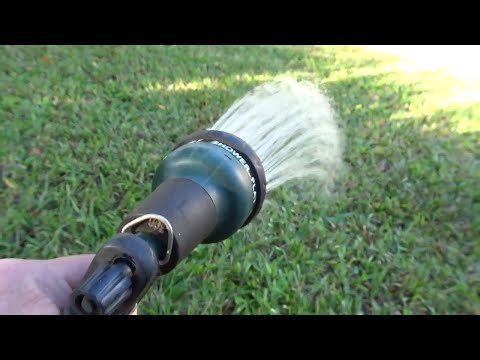
Keep the upper soil layer consistently moist while seed germinates. Depending on weather, this can require brief watering once or more per day. Use a gentle spray that does not wash seed into low spots.
As seedlings establish, gradually reduce watering frequency and increase depth. The goal is to move from frequent surface moisture toward a normal deeper-root watering pattern.
Credit: lawncare.center
8. Protect New Seedlings
Limit pet and foot traffic until seedlings are rooted. Avoid herbicides unless the label specifically allows use on newly seeded turf. If weeds appear, follow the product’s reseeding and new-lawn restrictions rather than spraying automatically.
9. Make the First Mow Carefully
Mow only after the new grass is tall and rooted enough to tolerate cutting. Use a sharp blade, mow dry turf, and remove no more than about one-third of the blade height in one pass.
Common Overseeding Mistakes
- Seeding without fixing the reason the lawn became thin.
- Using the wrong grass species.
- Leaving seed on top of thick thatch or debris.
- Applying too much seed.
- Allowing the seedbed to dry during germination.
- Creating puddles or runoff with heavy irrigation.
- Applying incompatible weed-control products too soon.
FAQ
Do I have to aerate before overseeding?
No. Aeration is most useful for compacted or heavily trafficked soil. A lightly thin lawn with good soil structure may only need mowing, raking, seeding, and proper watering.
Should I cover grass seed with topsoil?
A heavy layer is not recommended. If needed, use only a very thin layer of screened compost or soil in bare spots so seed remains close to the surface.
How soon can I mow after overseeding?
Wait until seedlings are firmly rooted and tall enough for a light cut. The exact timing varies by grass species and weather.