
Knowing what can be composted helps turn ordinary yard debris and kitchen scraps into a useful soil amendment instead of landfill waste. The basic rule is simple: compostable materials are natural items that microorganisms can break down safely into stable organic matter.
However, not every item labeled “natural,” “biodegradable,” or “plant-based” belongs in a backyard compost pile. Successful composting depends on the material, the type of compost system you use, and whether the pile can reach and maintain enough heat to break down tougher materials safely.
This guide explains what can be composted at home, what is better suited to a municipal composting program, and what should stay out of every compost bin.
Related reading: using finished compost in raised beds and improving soil for a beginner vegetable garden.
The Basic Categories: Greens and Browns
A balanced compost pile needs a mix of nitrogen-rich “greens” and carbon-rich “browns.” These names describe the material’s role in composting, not always its actual color. For example, dry brown leaves are browns, while fresh green grass clippings are greens.
| Material Type | Main Contribution | Common Examples |
|---|---|---|
| Greens | Nitrogen and moisture | Fruit scraps, vegetable peels, coffee grounds, fresh grass clippings |
| Browns | Carbon and airflow | Dry leaves, shredded paper, straw, small twigs, untreated wood chips |
Too many greens can make a pile wet, dense, and smelly. Too many browns can leave it dry and slow to decompose. In most home systems, adding a generous layer of browns whenever you add wet food scraps is an easy way to maintain balance.
Kitchen Scraps That Can Be Composted
Most raw plant-based kitchen waste is excellent compost material. Chop large pieces into smaller pieces when practical, since smaller scraps break down faster and are less likely to attract animals.
Fruits and Vegetables
Fruit and vegetable scraps are among the easiest materials to compost. This includes peels, cores, stems, leaves, rinds, bruised produce, and scraps left from meal preparation.
- Apple cores and pear cores
- Banana peels
- Citrus peels and rinds
- Melon rinds
- Berry tops and spoiled fruit
- Potato peels and other vegetable peels
- Salad greens and herbs
- Onion skins
- Squash, pumpkin, and cucumber scraps
- Avocado peels and pits, although pits break down slowly
Citrus, onions, and garlic are often said to be unsuitable for composting, but modest household amounts are generally fine in a well-managed outdoor pile. Their strong odors and acidity can be more of a concern in small worm bins, where it is best to add them sparingly.
Coffee Grounds, Filters, and Tea
Used coffee grounds are a valuable nitrogen-containing compost ingredient. They may look like a brown material, but they behave more like a green in the compost pile. Paper coffee filters can also be composted if they are uncoated and free of plastic.
Loose tea leaves and many paper tea bags are compostable. Before adding a tea bag, remove staples, strings, tags, and any mesh or plastic-looking material. Some tea bags contain synthetic fibers or are sealed with plastic, which will not fully break down in a typical backyard pile.
Eggshells
Eggshells can be composted, though they decompose slowly unless crushed first. Rinsing shells can reduce odors and discourage pests, especially if you store scraps indoors before taking them to the compost bin.
Crushed eggshells add calcium-containing material to finished compost, but they should not be treated as a quick fix for garden soil problems. If a garden has a suspected nutrient or pH issue, a soil test is more reliable than adding one household material.
Grains and Plant-Based Leftovers
Small amounts of plain bread, rice, pasta, cereal, flour, and other grain-based foods can decompose in compost. Still, these foods can attract rodents, raccoons, and flies, particularly in an open pile.
If pests are common in your area, bury these scraps in the center of an active pile or use a closed compost bin. Avoid adding large amounts at once, especially if the food is greasy, heavily seasoned, or mixed with meat or dairy.
Yard Waste That Can Be Composted
Yard materials are often the foundation of a productive compost pile. They provide the volume and carbon needed to balance food scraps while keeping air spaces open for beneficial microorganisms.
Leaves
Fallen leaves are one of the best brown materials for home composting. Whole leaves can mat together and slow airflow, so shredding them with a mower or leaf shredder can speed decomposition. Store dry leaves in bags or a covered pile so you have browns available throughout the year.
Most deciduous tree leaves are suitable for compost. Tough, waxy leaves and large leathery leaves may take longer, but they can still be composted when shredded and mixed with more readily decomposed material.
Grass Clippings
Fresh grass clippings are nitrogen-rich greens. Add them in thin layers and mix them with dry leaves, shredded paper, or other browns. Thick, wet layers of grass can compact into a slimy mass that smells unpleasant and limits airflow.
Do not compost grass clippings if the lawn was recently treated with an herbicide, insecticide, or other lawn chemical unless the product label specifically allows composting clippings. Persistent herbicides can sometimes survive composting and damage sensitive garden plants when the finished compost is used.
Plant Trimmings and Garden Debris
Healthy annual flowers, spent vegetable plants, non-diseased perennial cuttings, and soft green plant trimmings are usually compostable. Chop thick stems and vines into shorter lengths so they break down more easily.
- Deadheaded flowers
- Non-diseased tomato and vegetable vines
- Spent annuals
- Pruned herb stems
- Soft shrub and perennial trimmings
- Weeds that have not gone to seed
- Garden soil shaken from roots
Be more selective with invasive plants, weeds carrying mature seeds, and plants affected by a serious disease. A cool or lightly managed pile may not get hot enough to destroy seeds, roots, or disease organisms. These materials are often safer to dispose of through local yard-waste collection, where available.
Small Twigs, Bark, and Untreated Wood
Small twigs, bark, sawdust, wood shavings, and wood chips from untreated wood can be composted. Because these are high-carbon materials, they break down slowly and work best when mixed with greener, nitrogen-rich ingredients.
Use only wood that is untreated, unpainted, and free of stains, glues, or finishes. Avoid lumber scraps, plywood, particleboard, medium-density fiberboard, pressure-treated wood, and painted wood. These products may contain adhesives, preservatives, coatings, or other compounds that do not belong in compost.
Paper and Cardboard You Can Add
Paper-based household materials can provide useful carbon, especially for gardeners who do not have enough fallen leaves. The best options are plain, uncoated, and shredded into narrow strips or small pieces.
- Plain corrugated cardboard with tape, labels, and staples removed
- Brown paper bags
- Plain paper napkins and paper towels used for food or water cleanup
- Uncoated egg cartons made from paper pulp
- Plain office paper and non-glossy junk mail in limited amounts
- Paper towel tubes and toilet paper tubes
- Newspaper printed with modern inks, shredded or torn
Avoid glossy magazines, heavily coated paper, waxed cardboard, laminated paper, thermal receipts, and paper with glitter or metallic decoration. These materials may contain coatings or additives that are not appropriate for a backyard compost pile.
Shredded paper can clump when wet, so mix it with coarser materials such as leaves, twigs, or straw. It is useful as a cover layer over food scraps, helping reduce odors and fruit flies.

Animal-Based Materials: What Requires Extra Care
Whether animal-based materials can be composted depends heavily on your system. A large, actively managed hot compost pile can handle more than a small backyard bin, but most homeowners should be cautious with materials that smell, attract pests, or may carry pathogens.
Manure From Plant-Eating Animals
Manure from herbivores can be composted and may add valuable nutrients and organic matter. Common examples include manure from horses, cattle, rabbits, goats, sheep, and chickens.
Use care with any manure. It may contain weed seeds, and fresh manure can contain pathogens. Compost it thoroughly before using it around edible crops, and follow safe handling practices. Wear gloves, wash hands after handling, and avoid using fresh manure directly on food crops.
Dog, cat, and human waste should not go into compost intended for gardens or landscapes. These wastes can contain parasites and pathogens that are difficult for a home pile to manage safely.
Meat, Fish, Dairy, and Grease
Meat scraps, bones, fish, dairy products, oils, grease, and fatty cooked foods are generally not recommended for ordinary backyard compost bins. They can create strong odors and attract rodents, flies, pets, raccoons, and other scavengers.
Some municipal organics programs accept these materials because commercial facilities may use controlled high-temperature systems designed to process a broader range of food waste. Check the rules for your local collection service rather than assuming that every food scrap belongs in the curbside cart.
Materials That Are Often Confusing
Compostable Bags and Food-Service Ware
Items marked “compostable” are not automatically suitable for a backyard compost pile. Compostable bags, cups, plates, utensils, takeout containers, and packaging may need the sustained heat and processing time available only at an industrial composting facility.
Even if an item has a compostable certification mark, your municipal program may not accept it because facilities vary. Read local program rules carefully. If the facility does not accept compostable packaging, place it in the trash unless your area provides a separate approved option.
Dryer Lint and Natural Fibers
Dryer lint may seem compostable, but it is only appropriate when you are confident it comes entirely from untreated natural-fiber clothing, such as cotton or wool. Modern laundry loads commonly contain polyester, nylon, acrylic, spandex, and other synthetic fibers, which can leave microplastic contamination in compost.
For the same reason, avoid adding synthetic fabric scraps, disposable wipes, dryer sheets, and “flushable” wipes. These do not reliably break down into clean compost.
Hair, Fur, and Feathers
Small amounts of human hair, pet fur, and untreated feathers can decompose over time. They are nitrogen-rich but slow to break down and can clump together. Mix them deeply into the pile rather than leaving them on the surface, where they may blow away or attract animals.
Wood Ash
Cool wood ash from clean, untreated firewood can be added in very small amounts, but it is not a routine compost ingredient. Ash is alkaline and can raise the pH of a pile if overused. Never add ash from charcoal briquettes, coal, treated wood, painted wood, or manufactured fire logs.
If your garden soil is already alkaline, skip wood ash entirely. A local Cooperative Extension office or soil test can help clarify whether ash is appropriate for your soil.
What Should Not Be Composted at Home
Some materials do not decompose safely, create persistent contamination, or cause pest and odor problems. Keep the following out of a standard backyard compost pile:
- Plastic, foil, glass, metal, and synthetic fabrics
- Pet waste, cat litter, and human waste
- Meat, fish, bones, dairy products, fats, oils, and grease
- Diseased plants when the disease may survive in a cool pile
- Weeds with mature seed heads or aggressive spreading roots
- Black walnut leaves, twigs, hulls, or sawdust in large quantities
- Pressure-treated, painted, stained, glued, or engineered wood
- Charcoal ash, coal ash, and briquette ash
- Plants or clippings treated with products that restrict composting
- Vacuum cleaner dust, which may contain synthetic fibers and household contaminants
- Glossy, laminated, waxed, or heavily coated paper products
Black walnut plant material deserves special attention because it contains juglone, a compound that can inhibit or harm certain plants. Composting may reduce its effect over time, but avoiding large amounts is the safer choice for a general-purpose home compost pile.
How to Tell Whether a Material Belongs in Your Compost
When deciding what can be composted, ask a few practical questions before adding an item:
- Is it mostly natural plant material? Fruit scraps, leaves, and untreated paper are generally good candidates.
- Does it contain plastic, coatings, glue, chemicals, or synthetic fibers? If so, keep it out unless a local commercial compost program specifically accepts it.
- Will it attract pests or produce strong odors? Meat, dairy, grease, and large amounts of cooked food are poor choices for most home piles.
- Could it spread weeds, disease, or harmful residues? Avoid mature weed seeds, invasive roots, questionable plant diseases, and chemically treated materials.
- Will it help balance the pile? Wet food scraps and grass clippings need dry, carbon-rich materials such as leaves or shredded cardboard.
Simple Practices That Help Compostable Materials Break Down
Even the right materials need suitable conditions. Composting organisms need air, moisture, carbon, nitrogen, and time. A pile that is neglected can still decompose, but it will do so more slowly and may develop odor or pest problems.
- Keep a supply of dry leaves, straw, or shredded cardboard near the bin.
- Cover food scraps with several inches of brown material.
- Keep the pile as damp as a wrung-out sponge, not soaked.
- Turn or mix the pile periodically to restore airflow.
- Break up compacted grass clippings and wet paper clumps.
- Chop bulky scraps, woody stems, and large rinds when faster composting is the goal.
- Use a rodent-resistant bin if you compost food scraps in an area with wildlife.
Finished compost is dark, crumbly, and earthy smelling. It should no longer look like a recognizable mix of fresh scraps. Screen out stubborn sticks, pits, and woody pieces, then return them to the active pile.
Frequently Asked Questions
Can I compost moldy food?
Yes, moldy fruits, vegetables, bread, and other plant-based food scraps can usually go into a backyard compost pile. The mold is part of the natural decomposition process. Add brown material with wet or soft food to prevent the pile from becoming soggy.
Are citrus peels too acidic for compost?
Normal household amounts of citrus peels are fine in an outdoor compost pile. The overall compost process buffers small additions of acidic material. In a worm bin, use citrus more sparingly because large amounts may disturb the worms’ preferred conditions.
Can cooked vegetables go in compost?
Plain cooked vegetables can be composted in small amounts, especially in a covered bin. Avoid vegetables coated in butter, cheese, oil, meat drippings, or heavy sauces, since these additions are more likely to smell and attract pests.
How long does it take for compost to be ready?
Compost may be ready in a few months under warm, well-managed conditions, while a passive pile can take much longer. Size of materials, moisture, airflow, temperature, and how often the pile is turned all affect the timeline.
Can compost attract rats or other animals?
It can, particularly when food scraps are exposed or the pile contains meat, dairy, grease, or large amounts of cooked food. Use a secure bin, bury fruit and vegetable scraps in the center of the pile, cover them with browns, and avoid pest-attracting materials.
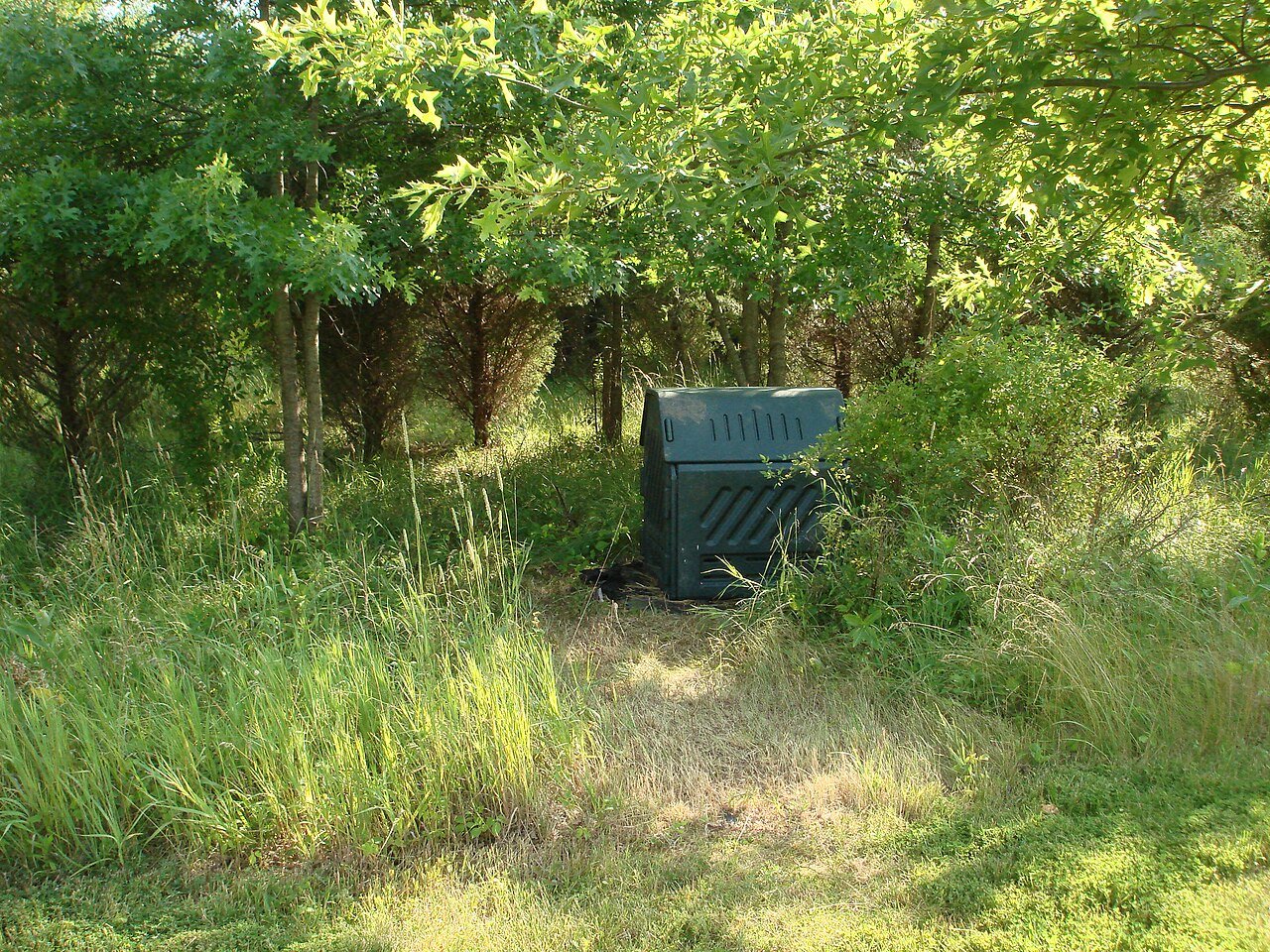
Featured photo: Siddharth Patil / Wikimedia Commons (CC0; resized and locally hosted).
